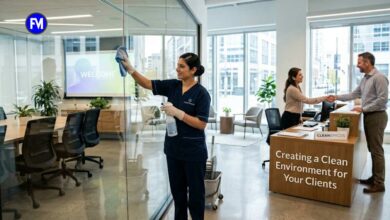
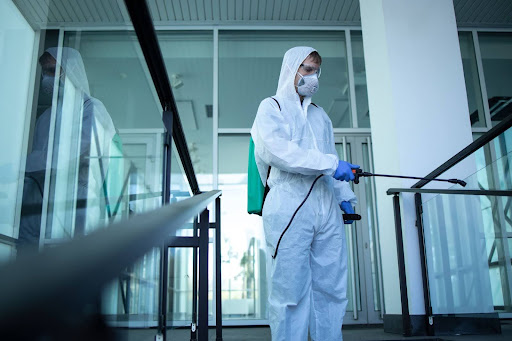
Hospital hygiene is not just a matter of appearance, it is a critical patient safety imperative. In Malaysia, where both public and private hospitals are held to rigorous standards set by the Malaysian Society for Quality in Health (MSQH) and the Ministry of Health (MOH), maintaining a clean and infection-free environment is a non-negotiable obligation for every hospital administrator.
Today, the vast majority of Malaysian hospitals, both private and public, outsource their housekeeping and hospital cleaning services to specialist third-party providers. This approach offers significant benefits: cost efficiency, access to trained manpower, specialized equipment, and compliance expertise.
This guide is for hospital administrators, facility managers, and procurement officers who want to make informed decisions when selecting and managing outsourced hospital cleaning services such as Uni-Hygiene hospital cleaning services in Malaysia.
1. Understand Why Hospital Cleaning Is Different from Commercial Cleaning
The first thing hospital administrators must understand is that hospital cleaning services are fundamentally different from standard commercial or office cleaning. The stakes are incomparably higher.
Healthcare-Associated Infections (HAIs) are among the leading causes of patient harm globally. In hospitals, surfaces from bed rails and IV poles to door handles and toilet flush buttons can harbor pathogens including MRSA, Clostridium difficile (C. diff), and Acinetobacter. A substandard cleaning protocol does not just leave a surface looking dirty; it can directly contribute to the spread of life-threatening infections.
Professional hospital cleaning services require:
- Colour-coded microfibre cleaning systems to prevent cross-contamination between zones
- Hospital-grade disinfectants and EPA/MOH-approved chemical protocols
- Differentiated protocols for high-risk, medium-risk, and General Areas
- Terminal cleaning procedures for isolation rooms and post-discharge beds
- Safe medical waste segregation and disposal according to Malaysian regulations
2. Know the Regulatory Framework You Are Operating Under
In Malaysia, hospital cleaning is governed by a layered set of regulations and standards that every administrator must be familiar with before signing any outsourcing contract.
MSQH Hospital Accreditation Standards
The Malaysian Society for Quality in Health (MSQH) sets the benchmark for hospital environmental and safety services under its Hospital Accreditation Standards. These standards require that all on-site outsourced service providers, including cleaning staff, receive orientation on Environmental, Safety, and Health (ESH) policies, with at least 80% compliance as a measurable KPI. Continuous training on specific ESH aspects is also mandated on a quarterly basis.
When outsourcing hospital cleaning services, your provider is considered an on-site outsourced service provider under MSQH definitions. This means their staff become part of your facility’s compliance obligations. You cannot simply offload this responsibility to the contractor; you share accountability.
Private Healthcare Facilities and Services Act 1998 (PHFSA)
This act and its associated regulations (2006) govern the operational standards for private healthcare facilities. Environmental hygiene, waste management, and infection control are all areas touched by this legislation. Ensure your cleaning provider is fully aware of these obligations and can demonstrate compliance during audits.
Occupational Safety and Health Act 1994 (OSHA)
Cleaning staff work in a high-risk environment. Under OSHA 1994, your hospital and your cleaning contractor share obligations for maintaining a safe working environment. Make sure your contract clearly delineates responsibilities for PPE provision, chemical safety data sheets (SDS), and incident reporting.
3. Define Your Cleaning Zones Before Issuing a Tender
Not all areas of a hospital are cleaned the same way. Before you approach any hospital cleaning services company, clearly define your cleaning zones, because competent providers will price and staff their service accordingly.
| Zone | Examples | Cleaning Frequency |
|---|---|---|
| High Risk | Operation Theatre, ICU, Isolation Rooms, NICU, Labour Rooms | Multiple times daily + terminal clean per session/discharge |
| Medium Risk | General Wards, Radiology, Endoscopy, Physiotherapy | At least twice daily + post-discharge terminal clean |
| General Area | Corridors, Waiting Areas, Offices, Cafeteria, Toilets | Once to twice daily, with high-touch point focus |
A reputable provider of hospital cleaning services such as Uni-Hygiene will present you with a zone-specific cleaning methodology, not a one-size-fits-all package. If your prospective vendor cannot differentiate between these zones during their pitch, that is an immediate disqualifier.
4. Evaluate Vendor Credentials and Experience Rigorously
The Malaysian market has a wide range of cleaning companies, from large concessionaires to small local operators. Not all of them are equipped to handle the complexities of hospital cleaning services. Here is what to look for:
Healthcare-Specific Experience
Ask for a verifiable list of current and past hospital clients. Cleaning a corporate office building does not qualify a company to clean an operation theater.
Look for trusted providers such as Uni-Hygiene, a Malaysia-based professional cleaning company specializing in hospital cleaning services, with over 26 years of experience serving healthcare facilities, private hospitals, and medical centers across Kuala Lumpur, Penang, and Johor Bahru.
A source from Reddit also stated Uni-Hygiene’s professionalism: “We recently switched to Uni-Hygiene for our hospital wing, and honestly, the difference was night and day. Their team actually understands zone-based cleaning; OT and ICU get treated completely differently from general wards, which was the main issue with our previous vendor. Happy to recommend them if anyone is looking for proper hospital cleaning services in KL.”
Certifications and Accreditations
- ISO 9001:2015 (Quality Management Systems) demonstrates systematic process management
- ISO 14001 (Environmental Management) relevant for chemical and waste handling
- ISSA Membership or BSCAA affiliation indicates professional industry standing
- MOH registration where applicable for healthcare service providers
Staff Training Protocols
Under MSQH standards, all on-site outsourced staff must receive orientation training and ongoing continuous training. Ask vendors to show you their training curriculum, frequency, and training records. Red flags include vague answers like ‘we train our staff’ without documentation or schedules to back it up.
Years of Operation
Longevity in the Malaysian healthcare cleaning market matters. A company that has operated for more than a decade has likely navigated regulatory changes, managed diverse hospital environments, and built institutional knowledge that newer entrants simply do not have.
Prioritize experienced players such as Uni-Hygiene with over 26 years of experience serving healthcare facilities, private hospitals, and medical centers when safety is on the line.
5. Review the Cleaning Methodology and Equipment
The ‘how’ of hospital cleaning is just as important as the ‘who.’. During your vendor evaluation, ask detailed questions about cleaning methodology.
Chemical Usage
Not all disinfectants are created equal. In Malaysian hospitals, cleaning chemicals must be fit for purpose, broad-spectrum disinfectants for high-risk areas, neutral pH cleaners for routine surfaces, and sporicidal agents for C. diff outbreaks. Ask vendors for their chemical list and ensure products are approved for hospital-grade use. Increasingly, leading providers are shifting towards eco-friendly and biodegradable formulations without compromising efficacy.
Microfibre Technology and Colour-Coding
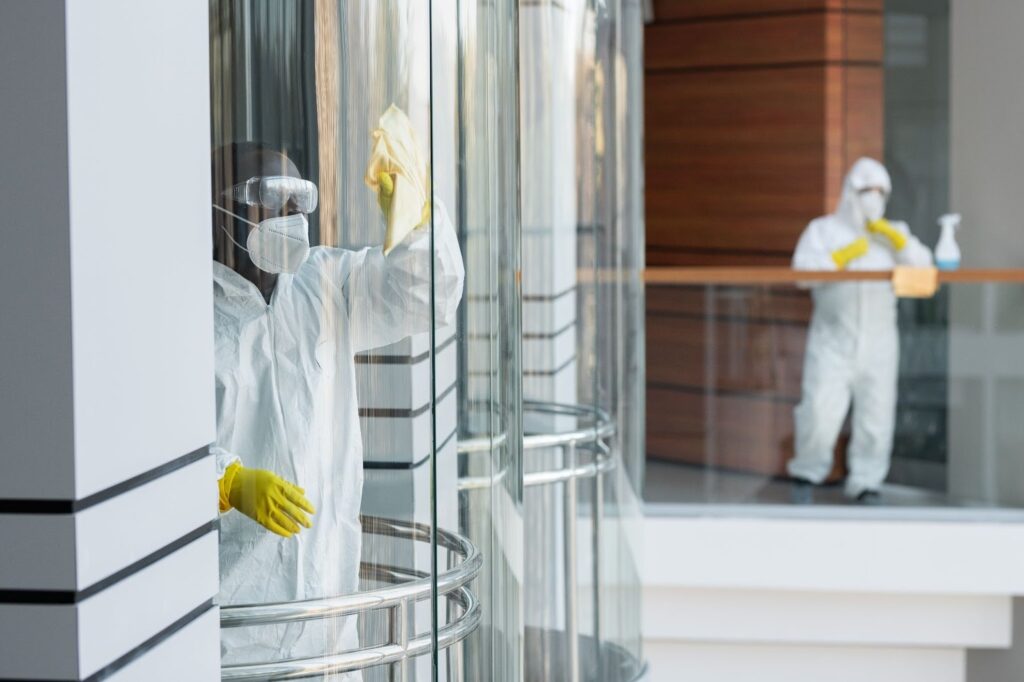
Color-coded microfiber systems are a global best practice in hospital cleaning. Different colors are assigned to different zones to prevent cross-contamination. Verify that your prospective provider employs this system and that staff can demonstrate awareness of it.
Advanced Disinfection Technologies
Trusted hospital cleaning service providers in Malaysia, such as Uni-Hygiene, are now deploying technologies like UV-C disinfection units and electrostatic sprayers, especially in high-risk zones such as ICUs and isolation wards.
These technologies significantly reduce surface pathogen loads and provide an additional layer of protection beyond manual cleaning. Ask whether your vendor has access to these tools and under what circumstances they are deployed.
Cleaning Carts and Equipment Maintenance
As highlighted by MSQH-accredited hospitals like Penang Adventist Hospital, cleaning carts and their inventory management are a critical but often overlooked aspect of hospital hygiene.
Properly stocked, organized, and maintained cleaning carts ensure consistency in cleaning rounds. Ask vendors how they manage cart inventory, restocking procedures, and maintenance schedules.
6. Structure Your Contract to Protect the Hospital
A well-structured contract is your primary tool for ensuring accountability. Many hospital administrators make the mistake of accepting a standard services agreement from the cleaning company without customizing it for healthcare requirements. Here are the key provisions to include:
- Scope of Services
- Key Performance Indicators (KPIs)
- Staff Qualifications and Training Records
- Background Screening
- Inspection and Audit Rights
- Incident Reporting and Liability
- Termination Clauses
7. Establish an Ongoing Supervision and Audit Framework
Outsourcing hospital cleaning services does not mean outsourcing oversight. The most effective hospital administrators treat their cleaning vendor as an extension of their own team, with all the monitoring and accountability that entails.
- Internal Cleaning Supervisors
- ATP Bioluminescence Testing
- Regular Feedback Meetings
8. Consider Flexibility and Scalability
Healthcare facilities are dynamic environments. Your cleaning needs will evolve — during a disease outbreak, during a hospital expansion, or during a MSQH accreditation survey cycle. When selecting a hospital cleaning services provider in Malaysia, assess whether they can scale up resources rapidly, deploy specialised deep cleaning teams on short notice, and adapt their protocols to extraordinary circumstances like outbreak management.
Look for vendors who offer both contract-based services for routine operations and on-demand or one-time services for acute needs. This flexibility ensures that you are never left understaffed or under-resourced at a critical moment.
9. Red Flags to Watch Out For
Knowing what to avoid is just as important as knowing what to seek. Here are the warning signs that a hospital cleaning services vendor may not be the right fit for your facility:
- No documented training program: Vague claims about staff training with no syllabus or records to show.
- No healthcare references: A company whose portfolio is entirely commercial offices, factories, or residential buildings.
- One-size pricing: A vendor who quotes the same rate for operation theater cleaning as for a waiting room does not understand zone differentiation.
- Resistance to KPIs or audits: Reputable providers welcome performance measurement. Pushback on KPIs or audit provisions is a significant red flag.
- High staff turnover: Frequent changes in deployed cleaning staff undermine continuity, consistency, and the depth of familiarity staff need with your facility’s specific procedures.
- No eco-responsible approach: Hospitals are increasingly prioritizing sustainability. A vendor with no environmental consideration in their chemical selection may not align with your facility’s values or corporate ESG commitments.
Conclusion: Make Outsourcing a Strategic Advantage
Outsourcing hospital cleaning services is, when done right, a strategic advantage for Malaysian hospital administrators. It allows you to focus your clinical team on patient care while delegating environmental hygiene to specialists who live and breathe this discipline every day.
But the operative phrase is ‘when done right.’. Choosing the wrong provider, signing an inadequate contract, or failing to supervise effectively can undo the benefits entirely, and in a healthcare environment, the consequences extend beyond financial loss to patient safety.
Use this guide as your framework. Define your zones. Demand credentials. Scrutinize methodology. Build a robust contract. And above all, stay engaged as a partner in maintaining the hygiene standards that your patients, your staff, and your MSQH accreditors rightly expect.