
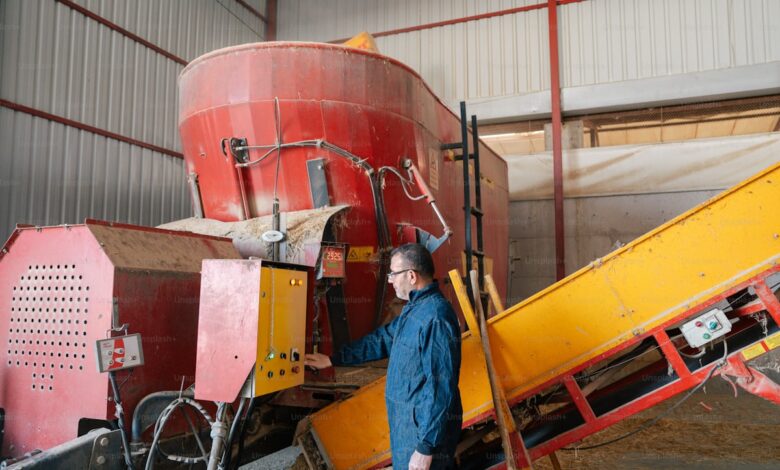
In the manufacturing and food processing industries, mixing is an essential part of the production process. Whether you are mixing ingredients for a food product, chemicals for an industrial application, or materials in manufacturing, the efficiency and consistency of the mixing process directly impact product quality and operational costs. Mixer systems have revolutionized the way businesses approach mixing, offering clear advantages over traditional mixing methods in terms of performance, speed, and consistency.
In this article, we’ll compare mixer systems with traditional mixing methods, exploring the key benefits that modern mixer systems offer in achieving higher efficiency and product consistency.
1. What Are Mixer Systems?
Mixer systems are modern, automated solutions designed to mix materials, chemicals, or ingredients with high precision and consistency. These systems can range from small, laboratory-scale mixers to large industrial machines capable of handling massive production volumes. Mixer systems often utilize advanced technology such as sensors, real-time data tracking, and automated controls to ensure accurate and efficient mixing.
Key features of mixer systems:
- Precision: Modern mixers offer precise control over mixing speeds, temperatures, and durations, ensuring that every batch is consistent.
- Automation: Automated systems reduce human error and labor costs while ensuring repeatability and consistency.
- Energy efficiency: Many mixer systems are designed to minimize energy consumption while still providing optimal mixing performance.
With mixer systems, businesses can increase throughput, reduce waste, and improve the overall consistency of their products.
2. What Are Traditional Mixing Methods?
Traditional mixing methods often involve manually controlled or semi-automated processes, where operators control the mixing process using basic equipment such as hand mixers, paddle mixers, or drum-based systems. While these methods have been widely used for many years, they are typically less precise and require more manual labor than modern mixer systems.
Common traditional mixing methods:
- Manual mixing: Operators use hand-held tools or mechanical mixers to manually mix ingredients, which can result in inconsistent batches.
- Batch mixing: This method involves mixing ingredients in batches, which may take longer and can lead to uneven mixing if not carefully monitored.
- Drum or paddle mixers: These are common in smaller operations, but they often lack the ability to ensure uniform mixing for large-scale production.
While these methods may still have some applications, they tend to be less efficient, especially in high-volume or precision-required environments.
3. Consistency: Which Method Ensures Uniform Mixing?
One of the most significant advantages of mixer systems is their ability to deliver consistent results with each batch. Whether you are mixing chemicals, food products, or materials, maintaining product consistency is crucial for quality control and customer satisfaction.
Consistency comparison:
- Mixer systems: These automated systems ensure uniformity by using sensors and feedback loops that continually adjust mixing parameters to maintain precise control over the process.
- Traditional methods: In manual or semi-automated methods, achieving consistent results can be challenging, as factors such as operator experience, manual intervention, and equipment wear can lead to uneven mixing.
Mixer systems provide superior consistency, ensuring that every batch meets the same quality standards, minimizing variability and reducing the risk of defects or wastage.
4. Efficiency: Which Method Saves Time and Resources?
Efficiency is a key concern for businesses that need to maintain high production volumes while keeping costs down. Mixer systems are designed to optimize the mixing process, reducing both time and resource consumption.
Efficiency comparison:
- Mixer systems: These systems offer faster mixing times and can handle larger volumes of material, allowing for increased throughput and reduced cycle times.
- Traditional methods: Manual mixing or batch systems can take longer and often require more labor, reducing the overall efficiency of the process.
By investing in mixer systems, businesses can achieve higher efficiency, reduce labor costs, and increase production capacity, leading to better overall productivity.
5. Cost: Which Method Offers Better Long-Term Value?
While the initial cost of mixer systems may be higher than traditional methods, the long-term savings often outweigh the initial investment. By improving efficiency, consistency, and reducing waste, mixer systems offer a better return on investment.
Cost comparison:
- Mixer systems: The upfront investment in automated systems can be higher, but the long-term savings from increased efficiency, reduced labor costs, and minimized waste make them more cost-effective in the long run.
- Traditional methods: While traditional mixing methods may have a lower initial cost, the ongoing expenses related to labor, slower production times, and inconsistent results can make them more expensive over time.
Investing in mixer systems provides businesses with better value by increasing production efficiency and reducing waste and downtime.
6. Flexibility: Which Method Offers Greater Versatility?
In today’s fast-paced industries, flexibility is crucial. Whether you need to adjust the mix speed, change ingredients, or switch between different batch sizes, mixer systems offer the flexibility to adapt to a wide range of needs.
Flexibility comparison:
- Mixer systems: These systems can be easily reprogrammed to accommodate different product formulations, production volumes, and mixing parameters, making them ideal for businesses with varying needs.
- Traditional methods: Traditional methods often lack the flexibility to handle different types of materials or batch sizes efficiently, requiring manual intervention or adjustments for each change.
Mixer systems provide greater versatility, enabling businesses to adapt to changing production demands and meet customer specifications with ease.
7. Labor Savings: Which Method Reduces Human Effort?
Labor costs can be a significant portion of operating expenses, especially in industries that rely on manual labor for tasks like mixing. Mixer systems offer significant labor savings by automating much of the mixing process, reducing the need for manual input.
Labor savings comparison:
- Mixer systems: These automated systems reduce the need for manual intervention, minimizing human error and freeing up employees for more strategic tasks.
- Traditional methods: Manual and semi-automated methods require more labor to operate, which can increase overhead costs and reduce the overall efficiency of the operation.
By reducing labor requirements, mixer systems help businesses save on labor costs while increasing operational efficiency.
8. Scalability: Which Method Can Handle Larger Volumes?
As businesses grow, so does the need for more efficient mixing solutions. Mixer systems are built to scale, allowing businesses to easily adjust to increasing production volumes without sacrificing quality.
Scalability comparison:
- Mixer systems: These systems are designed to handle large volumes of materials, ensuring that production can scale up without compromising mixing quality or speed.
- Traditional methods: Traditional methods may struggle to meet the demands of high-volume production, requiring additional labor or slower, less efficient processes.
Mixer systems offer the scalability that modern businesses need to grow and meet increasing production demands without compromising on quality or efficiency.
9. Product Quality: Which Method Retains Product Integrity?
The quality of the final product is critical in industries such as food processing, chemicals, and pharmaceuticals. Mixer systems ensure that the mixing process maintains product integrity by providing uniform mixing and precise control over the ingredients.
Quality comparison:
- Mixer systems: These systems ensure that all ingredients are mixed thoroughly and consistently, resulting in a high-quality final product with minimal variation.
- Traditional methods: Manual mixing can lead to inconsistent results, which can affect product quality, especially when handling different ingredients or batch sizes.
By using mixer systems, businesses can ensure that their products maintain a high level of consistency and quality.
10. Safety: Which Method Is Safer for Employees?
Workplace safety is a top priority for businesses in any industry. Mixer systems are designed with safety in mind, reducing the need for manual intervention and minimizing the risk of workplace accidents.
Safety benefits:
- Mixer systems: These systems are equipped with safety features such as automatic shut-off, temperature controls, and emergency stop buttons to prevent accidents and protect workers.
- Traditional methods: Manual mixing often requires employees to handle hazardous materials and operate machinery without the same level of automation or safety features.
Mixer systems provide a safer working environment by reducing the need for manual labor and automating potentially dangerous tasks.
Conclusion: Which Mixing Method Is Best for Your Business?
When comparing mixer systems with traditional mixing methods, the advantages of modern, automated solutions are clear. Mixer systems provide superior efficiency, consistency, scalability, and safety, making them the best choice for businesses looking to improve production processes and product quality.
While traditional methods may still have a place in some small-scale or low-volume operations, mixer systems offer the performance and flexibility needed for modern, high-demand production environments. By investing in mixer systems, businesses can improve their operations, reduce labor costs, and maintain high-quality products.