
Introduction
Warehouse facilities, distribution centers, and industrial campuses frequently face the challenge of removing old tree stumps that obstruct expansion, create safety hazards, or interfere with pavement. Walk-behind stump grinders have emerged as a practical solution, offering maneuverability and sufficient power for most onsite stumps. This article provides a technical overview, safety considerations, and operational guidelines for logistics professionals and equipment buyers.
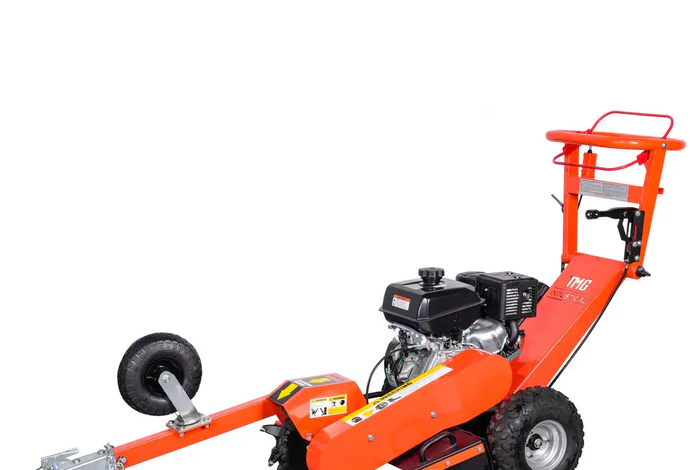
An example of this equipment category can be referenced here:
Stump Grinding Techniques and Common Industrial Applications
Stump grinding uses a rotating cutting disk with carbide teeth to mechanically reduce the stump to wood chips. Common industrial applications include:
· Clearing land for building additions or parking lot expansions.
· Removing stumps along fence lines and security perimeters.
· Eliminating obstacles near loading docks and trailer parking.
· Preparing sites for new landscaping or erosion control projects.
The resulting mulch can be reused onsite, reducing disposal costs and supporting sustainability initiatives.
Why Efficiency, Safety, and Productivity Matter
Delays in grounds preparation directly impact project schedules. Using a dedicated walk-behind stump grinder significantly reduces labor hours compared to excavation or manual methods. However, the rotating cutter presents risks; therefore, productivity must be balanced with strict safety protocols. A wellmaintained machine operated by trained personnel ensures both rapid completion and injury prevention.
Technical Fundamentals and Capability Considerations

Engine and Drive System
Modern units are typically powered by 14hp to 20hp gasoline engines, with Kohler being a common choice due to reliability and parts availability. Key specifications include:
· Displacement: around 500cc for consistent torque.
· Electric start option for ease of use.
· Low oil shutdown to protect the engine.
Cutting Mechanism and Teeth
The cutter wheel, often 24 inches wide, uses replaceable carbide teeth that stay sharp longer. Teeth configurations vary:
· Standard teeth for general mixed wood.
· Heavyduty teeth for dense hardwood or frozen stumps.
· Depth control skid shoes to regulate cut depth.
Some models include a tow bar for easy repositioning around the site.
Factors Affecting Performance, Safety, and Effectiveness
Several variables influence grinding efficiency and operator safety:
· Stump characteristics: diameter, wood density, and root structure.
· Site conditions: slope, soil moisture, presence of rocks or debris.
· Operator technique: consistent swing speed and depth control.
· Machine maintenance: sharp teeth, clean air filters, proper belt tension.
· Weather: rain reduces traction and can make chips slippery.
Safety Considerations and Best Practices
Safe operation requires a combination of personal protective equipment (PPE) and procedural discipline. Essential precautions include:
· Wear ANSIapproved safety glasses, hearing protection, gloves, and steeltoed boots.
· Inspect the machine before each use: check teeth, belts, fuel, and hydraulic fluid (if applicable).
· Clear the work area of bystanders, pets, and loose objects within 50 feet.
· Call utility locating services to avoid underground cables or pipes.
· Maintain a stable stance and keep both hands on the controls while grinding.
· Never reach into the discharge area while the wheel is turning.
· Allow the engine to cool before refueling to prevent fire.
Equipment Types, Tools, and Attachments
Walkbehind grinders are the most versatile for industrial lots, but other options exist:
· Handheld grinders: for very small stumps in confined spaces.
· Towbehind units: for largescale clearing but require more space.
· Accessories: dust suppression kits, different tooth sets, and chip collection bags.
Choosing the right configuration depends on typical stump sizes and site accessibility.
Advantages and Limitations of WalkBehind Stump Grinders
Advantages: Compact size allows access through gates, lower cost than skidsteer attachments, minimal soil disturbance, and easy transport via tow bar.
Limitations: Physical effort required on slopes; not suitable for stumps larger than 36 inches without multiple passes; noise levels require hearing protection.
Real-World Example: Logistics Center Site Preparation
A regional freight hub in Ohio needed to clear 35 mixed hardwood stumps to expand its trailer yard. Using a 14hp Kohlerpowered walkbehind grinder with carbide teeth, a twoperson crew completed the job in four days. The mulch was spread onsite for erosion control, eliminating $2,000 in disposal fees. This case demonstrates the efficiency and costeffectiveness of the equipment.
For broader land management and equipment solutions, industrial suppliers such as: TMG Walk Behind Kohler Powered Stump Grinder, ATV/UTV Tow Bar, 12 Carbide Teeth, 24″ Cutting Capacity, 14 HP Gasoline Engine, TMG-GSG12 for reliable options.
Conclusion and Future Industry Trends
Walkbehind stump grinders remain a staple for industrial grounds maintenance. Emerging trends include batteryelectric models for quieter operation and zero emissions, as well as integrated telematics to monitor usage and maintenance intervals. Regardless of technology, proper training and adherence to safety protocols will always be the foundation of effective stump removal. For warehouse and logistics managers, investing in the right grinder—and the knowledge to use it safely—improves both site safety and operational efficiency.