

Elizabeth Peña was an American actress whose performances brought warmth, complexity, and authenticity to film and television. Across a career spanning several decades, she portrayed characters whose stories reached audiences across different genres, from comedy and drama to action and animation. Born into a family connected to the arts, Peña developed a strong interest in acting and helped expand opportunities for Latina performers in American entertainment. Her work included memorable roles in La Bamba, Down and Out in Beverly Hills, Rush Hour, and the television series Modern Family. She earned respect for her ability to move between independent films, major studio productions, and television without losing the individuality of her performances. Although she died in 2014, her contributions remain part of the history of Latino representation in Hollywood. Her life and career reveal the work of an accomplished performer who built a distinctive place in the entertainment industry.
Quick Bio
| Detail | Information |
|---|---|
| Full Name | Elizabeth Maria Peña |
| Known For | Film and television acting |
| Profession | American actress and voice actress |
| Birth Date | September 23, 1959 |
| Birthplace | Elizabeth, New Jersey, United States |
| Nationality | American |
| Heritage | Cuban American |
| Parents | Estella Margarita Peña and Mario Peña |
| Spouse | Hans Rolla; later married to filmmaker and musician Michael Altman |
| Children | Two |
| Education | High School of Performing Arts, New York City |
| Date of Death | October 14, 2014 |
| Age at Death | 55 |
Who Was Elizabeth Peña?
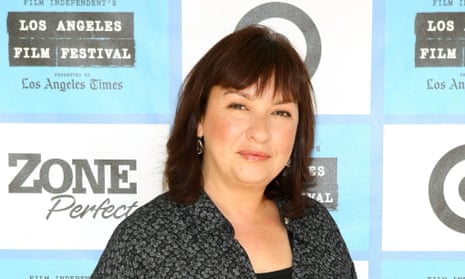
Elizabeth Peña was an American actress celebrated for her expressive performances and her ability to make supporting characters feel essential to a story. She worked in films, television dramas, sitcoms, and animated productions, building a career that demonstrated both range and consistency.
Peña entered the entertainment industry at a time when Latino actors often faced limited opportunities and narrow casting choices. Rather than remaining within one type of role, she took on characters with different backgrounds, personalities, and emotional demands. Her career included independent productions as well as popular Hollywood films, giving her a presence across a wide range of audiences.
Her achievements were not limited to the number of projects she completed. Peña helped make Latina characters more visible in American entertainment, while her performances showed that cultural identity could enrich a character without defining every aspect of the role.
Elizabeth Peña’s Early Life and Family Background
Elizabeth Peña was born on September 23, 1959, in Elizabeth, New Jersey. She grew up in a Cuban American family with a connection to the arts. Her father, Mario Peña, worked as an actor and helped establish the Cuban theater group Teatro de Orilla, while her mother was Estella Margarita Peña.
This artistic environment gave Peña an early connection to performance and storytelling. Her family’s cultural background also formed part of her personal identity, although her career would ultimately encompass a broad range of American characters and stories.
Peña studied at New York City’s High School of Performing Arts, where she developed her skills and prepared for a professional career. Her education provided a foundation for the discipline required in acting, including character development, performance technique, and working within an ensemble.
How Elizabeth Peña Began Her Acting Career
Peña began working professionally in the 1970s. Her early career developed through stage work and film appearances, giving her opportunities to learn the demands of performance in different settings. Those early experiences helped establish the foundation for a career that would eventually span decades.
Her early roles did not immediately make her a household name, but they allowed her to build experience and demonstrate her versatility. She approached characters as individuals rather than relying on a single screen persona, a quality that became a consistent feature of her performances.
As opportunities expanded, Peña moved into projects that reached larger audiences. She gradually established herself as a dependable performer who could contribute to both comedic and dramatic stories.
Breakthrough Roles That Brought Her Wider Recognition
Peña’s career gained momentum through a series of film appearances during the 1980s. One of her notable early screen roles came in Down and Out in Beverly Hills (1986), a comedy that introduced her to a broader film audience.
She also appeared in La Bamba (1987), the biographical drama about rock-and-roll musician Ritchie Valens. The film became an important cultural touchstone, and Peña’s involvement placed her within a production that brought Latino stories and performers to mainstream audiences.
These projects helped establish her as a versatile actress who could work within ensemble casts while making her own characters memorable. Rather than relying on one breakthrough performance, she continued to build her reputation through varied work.
Elizabeth Peña’s Most Memorable Film Performances
Peña’s filmography reflects a willingness to move between genres and production styles. She appeared in independent films, studio comedies, action movies, and dramas, often bringing emotional detail to roles that could otherwise have remained secondary.
Her film credits include:
- Down and Out in Beverly Hills (1986): An early film appearance that helped increase her visibility.
- La Bamba (1987): A role in the celebrated biographical drama about Ritchie Valens.
- Jacob’s Ladder (1990): A psychological horror film known for its unsettling atmosphere and complex narrative.
- Rush Hour (1998): A supporting role in the popular action comedy starring Jackie Chan and Chris Tucker.
- Lone Star (1996): A critically acclaimed drama directed by John Sayles, notable for its layered examination of history, identity, and community.
- The Incredibles (2004): A voice performance in the animated superhero film, demonstrating her ability to work in animation as well as live action.
These projects illustrate the breadth of Peña’s work. She could appear in a tense psychological drama, contribute to a mainstream comedy, or lend her voice to an animated production without losing her individual style.
Why Lone Star Was an Important Career Milestone
Among Peña’s dramatic work, Lone Star stands out as a particularly significant film. Directed by John Sayles and released in 1996, it explores the complicated history of a Texas border community through intersecting personal and political stories.
The film received widespread critical appreciation for its nuanced writing and its examination of identity, memory, and the way communities understand their past. Peña’s performance formed part of an ensemble that helped make the characters feel connected to the place they inhabited.
The role also reflected an important strength in her acting: she could communicate complicated relationships without making them feel exaggerated. Her work in films like Lone Star demonstrated that she was equally capable of contributing to thoughtful independent cinema and large-scale commercial productions.
Elizabeth Peña’s Television Career

Television gave Peña another major outlet for her acting. She appeared in a variety of series and television films, moving between guest roles and recurring characters. Her screen presence suited both intimate family dramas and fast-moving comedy.
One of her later widely recognized television appearances was as Pilar Ramirez, Gloria Delgado-Pritchett’s mother, on the sitcom Modern Family. The role connected Peña with a popular series that placed a Colombian American family at the center of its storylines, although Peña’s character appeared as a guest rather than as a regular member of the cast.
Her television work demonstrated her ability to make an impression even when her appearances were limited. She could give a character a distinct personality and a clear relationship to the larger story without requiring extensive screen time.
Her Contribution to Latina Representation in Hollywood
Peña built her career during a period when Latina actresses frequently encountered restricted opportunities and stereotypical roles. She worked across many kinds of productions, helping broaden the range of characters Latina performers could portray in American entertainment.
Her significance lies not in any single role but in the consistency of her career. She played characters whose identities, professions, relationships, and personalities varied, allowing her work to reach beyond one narrow portrayal of Latino life.
Representation in entertainment depends on more than starring roles. Supporting performances, recurring television characters, and voice work also shape the stories audiences see. Peña contributed to that wider landscape through a body of work that crossed genres and generations.
Elizabeth Peña’s Voice Acting and Other Creative Work
Peña also worked as a voice actress, bringing her expressive delivery to animated projects. Her appearance in The Incredibles introduced her voice to audiences who might have known her primarily through live-action films.
Voice acting requires performers to convey personality, emotion, and intention without relying on facial expression or physical movement. Peña’s experience across comedy and drama made her well suited to this format.
Her wider career also included stage-related experience and work in independent productions. Rather than following a single path through Hollywood, she built a varied professional life across different forms of storytelling.
Elizabeth Peña’s Personal Life and Family
Peña maintained a degree of privacy around her personal life while continuing to work publicly as an actress. She was married to Hans Rolla and later to Michael Altman, a filmmaker and musician. She had two children.
Although her professional work is extensively discussed in film and television coverage, many details of her private family life were not a central part of her public profile. It is therefore more appropriate to focus on the family information that has been publicly documented than to make assumptions about her relationships or day-to-day life.
Her career shows that she maintained a professional identity beyond public curiosity about her family. She was recognized for her acting, creative range, and contribution to the entertainment industry.
Awards, Recognition, and Professional Reputation
Peña earned recognition for her work throughout her career, including an Independent Spirit Award for Best Supporting Female for her performance in Lone Star. The award reflected the esteem in which her work was held within independent film.
Recognition from the independent film community was especially meaningful for an actress whose career moved between studio productions and smaller, character-focused projects. It highlighted the depth of her performances rather than simply the commercial reach of the films in which she appeared.
Her professional reputation also grew through the breadth of her credits. Directors and fellow performers could draw on her ability to handle dramatic scenes, comedy, and ensemble storytelling. Her work continues to be remembered by audiences revisiting the films and television programs in which she appeared.
Elizabeth Peña’s Final Years and Death
Peña continued acting into the later years of her life, including her work on Modern Family. Her career remained active across film and television, and she continued to take on roles that reflected her range as a performer.
She died on October 14, 2014, at the age of 55. Her death marked the loss of an actress whose career had extended across several decades and whose performances had reached audiences in multiple genres.
Her passing prompted renewed attention to her work and the contributions she made to Latino representation in Hollywood. While no single role defines her entire career, the variety of her performances provides a lasting record of her talent.
Elizabeth Peña’s Legacy in Film and Television
Elizabeth Peña’s legacy rests on a career built through versatility, commitment, and a wide range of characters. She was not limited to one genre or type of performance, and her work moved naturally between independent cinema, major studio releases, television, and animation.
Her career also forms part of a broader history of Latina performers working to gain visibility and complexity in American entertainment. Peña’s characters were not all alike, and that variety matters: it helped show audiences that Latina actresses could inhabit stories across genres and social settings.
For viewers discovering her work today, films such as Lone Star, La Bamba, and Rush Hour offer different ways to appreciate her range. Her television appearances and voice performances add further dimensions to a career that cannot be reduced to a single title.
Conclusion
Elizabeth Peña established herself as a respected American actress through a career defined by range rather than a single signature role. From La Bamba and Lone Star to Rush Hour and Modern Family, she brought individuality and credibility to stories spanning drama, comedy, and animation.
Her Cuban American background formed an important part of her story, while her professional achievements reached well beyond any one cultural or dramatic category. She also helped expand the visibility of Latina performers at a time when Hollywood offered them fewer opportunities for complex roles.
Although Peña died in 2014, her performances remain part of American film and television history. Her legacy reflects both her skill as an actress and the importance of creating room for more diverse voices on screen.
FAQs
Who was Elizabeth Peña?
Elizabeth Peña was an American film and television actress of Cuban American heritage. She appeared in productions including La Bamba, Lone Star, Rush Hour, The Incredibles, and Modern Family.
When was Elizabeth Peña born?
Elizabeth Peña was born on September 23, 1959, in Elizabeth, New Jersey, United States.
What was Elizabeth Peña famous for?
She was known for her versatility across film, television, and voice acting. Her credits included independent dramas, mainstream comedies, action films, and animated productions.
Was Elizabeth Peña in Modern Family?
Yes. Peña appeared as Pilar Ramirez, the mother of Gloria Delgado-Pritchett, in the television comedy Modern Family.
Did Elizabeth Peña win any awards?
Yes. She won the Independent Spirit Award for Best Supporting Female for her performance in Lone Star, released in 1996.
Did Elizabeth Peña have children?
Yes. Elizabeth Peña had two children. She generally kept details of her family life relatively private.
What was Elizabeth Peña’s net worth?
A reliably verified figure for Elizabeth Peña’s net worth has not been established in authoritative public sources. Online estimates should not be treated as confirmed financial information.
For More Updates Visit: Fortune Magazine