
Understanding Salivary Gland Tumour and Its Impact
A Salivary gland tumour develops in one of the salivary glands responsible for producing saliva. These glands are located around the jaw, in front of the ears, under the jawline, and beneath the tongue. While many tumours are benign, some can be malignant and require prompt medical attention.
Patients often notice a lump or swelling near the jaw or neck. In some cases, there may be pain, numbness, weakness in facial muscles, or difficulty swallowing. Early assessment is important to determine the type of tumour and the most appropriate treatment plan.
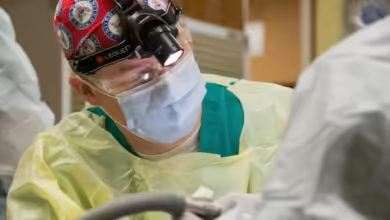
Head and neck surgery in London plays a key role in diagnosing and managing these conditions. Specialist surgical teams use detailed assessment methods and advanced techniques to ensure safe and effective treatment.
Types of Salivary Gland Tumours
Benign Tumours
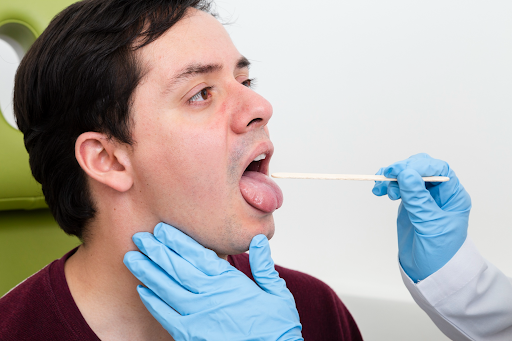
Most salivary gland tumours are non-cancerous. These tend to grow slowly and may not cause significant symptoms at first. However, even benign growths often require removal to prevent further enlargement or complications.
Common characteristics of benign tumours include:
- Slow growth
- Painless swelling
- Well-defined borders on imaging
Although benign, they can still affect facial nerves or surrounding structures if left untreated.
Malignant Tumours
Malignant salivary gland tumours are less common but more serious. These may grow more quickly and can spread to nearby tissues or lymph nodes.
Signs that may raise concern include:
- Rapid increase in size
- Pain or persistent discomfort
- Facial weakness
- Ulceration of overlying skin
In these cases, head and neck surgery in London is often part of a broader treatment plan that may also involve oncology specialists.
Diagnostic Process Before Surgery
Clinical Examination
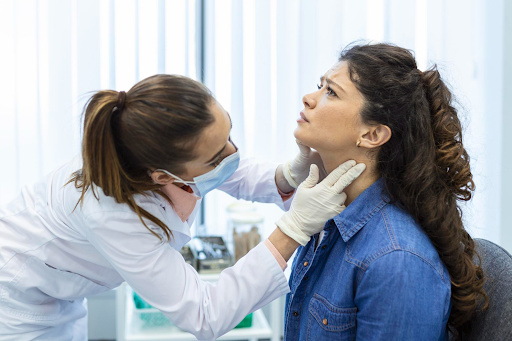
The first step involves a detailed consultation. A specialist in head and neck surgery in London will examine the lump, review medical history, and assess nerve function, especially facial nerve movement.
Imaging Tests
Imaging studies help determine the size, location, and nature of the tumour. These may include:
- Ultrasound
- MRI scans
- CT scans
Imaging provides important information about whether the tumour involves nearby nerves or tissues.
Biopsy
A fine needle aspiration biopsy is commonly used to collect a small sample of cells. This helps confirm whether the Salivary gland tumour is benign or malignant and guides the surgical approach.
Surgical Treatment Options
Parotid Gland Surgery
The parotid gland, located in front of the ear, is the most common site for salivary gland tumours. Surgery often involves a procedure known as a parotidectomy.
During this operation:
- The surgeon carefully removes the tumour.
- The facial nerve is identified and preserved where possible.
- Surrounding healthy tissue may be removed if needed.
Head and neck surgery in London places strong emphasis on protecting facial nerve function, as this nerve controls facial expression.
Submandibular Gland Removal
If the tumour is located under the jaw, removal of the submandibular gland may be necessary. This procedure is generally straightforward but requires careful attention to nearby nerves that control tongue movement and sensation.
Minor Salivary Gland Surgery
Smaller glands located inside the mouth can also develop tumours. Surgery in these cases depends on the tumour’s size and position.
Specialists in head and neck surgery in London use precise techniques to remove the tumour while maintaining function and appearance.
Managing Malignant Tumours
Additional Treatments
If the Salivary gland tumour is cancerous, further treatment may be required after surgery. This can include:
- Radiotherapy to reduce the risk of recurrence
- Chemotherapy in selected cases
- Neck dissection if lymph nodes are involved
The treatment plan is tailored to the tumour type, stage, and overall health of the patient.
Multidisciplinary Approach
Management of malignant tumours often involves a team that includes surgeons, oncologists, radiologists, and specialist nurses. Head and neck surgery in London is usually delivered within this team-based framework to ensure coordinated care.
Risks and Recovery After Surgery
Potential Risks
As with any operation, there are risks associated with salivary gland surgery. These may include:
- Temporary or permanent facial weakness
- Numbness in the ear or jaw area
- Bleeding or infection
- Scarring
An experienced surgical team works to minimise these risks through careful planning and technique.
Recovery Process
Recovery time depends on the extent of the surgery. Many patients stay in hospital for one to two days. Swelling and mild discomfort are common in the first week.
Patients are usually advised to:
- Avoid strenuous activity for several weeks
- Keep the surgical area clean and dry
- Attend follow-up appointments
In most cases, normal activities can gradually resume as healing progresses.
Long-Term Outlook
Benign Tumours
For benign Salivary gland tumour cases, surgery often provides a complete cure. Recurrence is uncommon when the tumour is fully removed.
Regular follow-up appointments help ensure there are no signs of regrowth.
Malignant Tumours
The outlook for malignant tumours depends on the type, size, and stage at diagnosis. Early detection and prompt head and neck surgery in London significantly improve outcomes.
Ongoing monitoring may include periodic imaging and clinical examination to check for recurrence.
Importance of Early Assessment
Early evaluation of any persistent lump in the neck or jaw area is important. Delayed diagnosis can lead to increased tumour size and more complex surgery.
Seeking assessment from a specialist in head and neck surgery in London ensures accurate diagnosis and access to appropriate treatment options. Early management can also improve the chances of preserving nerve function and achieving better cosmetic outcomes.
Choosing a Specialist Surgical Team
When facing a Salivary gland tumour diagnosis, choosing an experienced surgical team is essential. Factors to consider include:
- Expertise in head and neck surgery
- Access to modern imaging facilities
- Multidisciplinary support
- Clear communication about risks and expectations
A thorough consultation allows patients to understand the procedure, recovery process, and expected results.
Conclusion
A Salivary gland tumour can range from a slow-growing benign lump to a more serious malignant condition. Accurate diagnosis and timely intervention are key to effective treatment.
Head and neck surgery in London offers advanced surgical techniques designed to remove tumours while preserving nerve function and maintaining appearance. With proper assessment, personalised treatment planning, and careful follow-up, most patients achieve positive outcomes.
If you notice swelling or changes in the salivary gland area, seeking early specialist advice can make a significant difference in both treatment options and long-term results.