
Introduction
The operational efficiency of warehouses, distribution centres, and logistics hubs depends heavily on the condition of external yards, access roads, and parking areas. Uneven surfaces, potholes, and compacted snow or gravel create safety hazards for personnel and cause accelerated wear on forklifts, trucks, and other mobile equipment. Maintaining these surfaces with purpose‑built attachments allows facilities to extend equipment life and reduce workplace incidents. Among the most versatile solutions is the 84‑inch Skid Steer Road Grader — an attachment designed to restore grade, remove berms, and smooth gravel or asphalt margins. This article examines the technical aspects, safety considerations, and operational benefits of using such graders in industrial environments, with a focus on Canadian logistics settings.
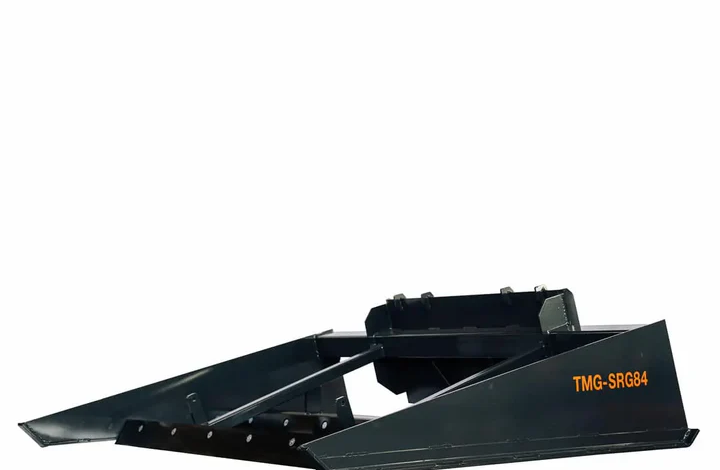
An example of this equipment category can be referenced here:
Understanding Skid Steer Road Grader Attachments
What Is a Skid Steer Road Grader?
A skid steer road grader is a hydraulically powered attachment that mounts to the front of a skid steer loader or compact track loader. It features a wide, adjustable mouldboard (blade) that can be angled, tilted, and lowered to cut, move, and level materials such as gravel, dirt, snow, or asphalt millings. The 84‑inch width (approximately 213 cm) is well suited to mid‑size and large skid steers, offering a balance between coverage and manoeuvrability in confined loading bays or wide yard areas.
Key Applications in Logistics and Industry
· Yard grading – levelling potholes and washboard surfaces in truck yards and container parks.
· Snow and ice management – cutting down hard‑packed snow and removing ice ridges in cold‑climate regions (common in Canadian winters).
· Parking lot maintenance – re‑grading gravel lots to prevent water pooling and ensure safe pedestrian access.
· Road base preparation – spreading and shaping crushed stone for temporary haul roads around construction or mining sites.
· Stockpile management – pushing and levelling loose materials in bulk storage areas.
The Importance of Proper Yard Grading for Safety and Productivity
Uneven ground directly contributes to tripping hazards for pedestrians and destabilises heavy equipment. According to industry incident analyses, a significant percentage of forklift tip‑overs and truck trailer damage occur during travel over rough pavement or gravel. Regular grading eliminates ruts and potholes, improving traction for vehicles and reducing the risk of load shifts. From a productivity standpoint, smooth surfaces allow drivers to maintain higher, more consistent speeds, cutting cycle times for deliveries and yard shunting. Moreover, well‑maintained gravel areas require less frequent filling and compacting, lowering long‑term material costs.
Technical Foundations of 84‑Inch Road Graders
Blade Geometry and Material
Effective grading depends on blade design. Most heavy‑duty attachments use a curved mouldboard made from AR400 or similar abrasion‑resistant steel, which withstands repeated contact with sharp gravel and debris. The cutting edge is typically replaceable and may be equipped with carbide‑tipped teeth for frozen ground or highly compacted surfaces. Hydraulic angling (usually up to 30 degrees left or right) and tilt functions allow the operator to direct material flow and achieve cross slopes for drainage.
Machine Compatibility Requirements
An 84‑inch blade generates significant lateral forces. To operate effectively, the host skid steer must have adequate hydraulic flow (typically ≥20 gpm) and sufficient operating weight to prevent the machine from sliding sideways during angled cuts. Manufacturers often recommend minimum loader sizes of around 2,500 lbs rated operating capacity. Operators should verify that the attachment’s quick‑attach system matches their machine (universal “wedge” or “EU” plates are common).
Factors Affecting Performance and Safety
· Operator skill and technique – improper blade angle or excessive down force can gouge surfaces or stall the loader.
· Ground conditions – wet clay, deep frost, or large rocks increase resistance and may require multiple passes.
· Blade wear – a dull or chipped cutting edge reduces efficiency and produces a rougher finish.
· Machine maintenance – worn hydraulic hoses or low fluid flow affect blade response time.
· Ballast and traction – steel tracks or tyre chains improve grip on icy or loose gravel.
Safety Best Practices for Skid Steer Road Grader Operation
Before each shift, operators should inspect the attachment for loose bolts, cracked welds, and hydraulic leaks. All pins and quick‑couplers must be securely locked. When working in active yards, establish clear traffic control measures: cones, spotters, or temporary closures prevent collisions. Avoid grading near buried utilities without prior location marking. While operating, keep the loader’s ROPS structure in place and wear a seatbelt; never modify or bypass safety interlocks. Finally, lower the attachment to the ground, shut off the engine, and relieve hydraulic pressure before leaving the cab.
Comparing Equipment: Motor Graders vs. Skid Steer Attachments
Advantages of Skid Steer Road Graders
· Lower capital cost – fraction of the price of a dedicated motor grader.
· Multi‑functionality – the same machine can switch to a bucket, forks, or broom in minutes.
· Compact footprint – ideal for tight urban depots or indoor/outdoor transitions.
Limitations to Consider
· Width restriction – 84 inches may be too narrow for large highway‑type shoulders; suitable for most industrial yards.
· Operator visibility – the blade extends beyond the loader width, requiring extra caution near obstacles.
· Reduced grading speed – skid steers typically work slower than motor graders over long distances.
Real‑World Example: Winter Maintenance at a Canadian Distribution Centre
A food distribution facility in southern Ontario operates a fleet of skid steer loaders year‑round. During winter, freezing rain and repeated plowing left compacted snow ridges in the trailer parking area, causing tripping hazards and making it difficult for trucks to align with loading docks. The facility integrated an 84‑inch skid steer road grader (set with a slight tilt) to shave down the ice layers and restore a flat surface. After two seasons, the maintenance team reported a 40% reduction in spot repairs using imported gravel, and zero slip‑related injuries in the yard. The ability to quickly mount the grader without dedicated heavy equipment made it a practical choice for their multi‑tasking fleet.
For broader land management and equipment solutions, industrial suppliers such as: TMG 84″ Skid Steer Road Grader, Bucket Stops w/Shackle Holes, Forward/Backward Cutting Edges, Grading, Spreading & Leveling TMG-SRG84 for reliable options.
Conclusion and Emerging Trends in Yard Maintenance
Integrating a robust 84‑inch skid steer road grader into industrial site maintenance delivers measurable safety and efficiency gains. As facilities seek to do more with existing equipment, attachments that combine durability with precision will remain essential. Looking ahead, we see growing adoption of laser‑guided grading systems and telematics that provide real‑time blade positioning, further reducing operator fatigue and material waste. For logistics managers and equipment operators in Canada, Australia, and beyond, investing in the right grading attachment is a forward‑looking step toward safer, more productive worksites.