For decades, manufacturing reliability was treated as an operational concern—something handled by plant managers, engineers, and maintenance teams far from the boardroom. Today, that assumption is rapidly breaking down. As global supply chains tighten and production systems operate with ever-smaller margins for error, reliability has become a strategic issue with direct financial and reputational consequences.
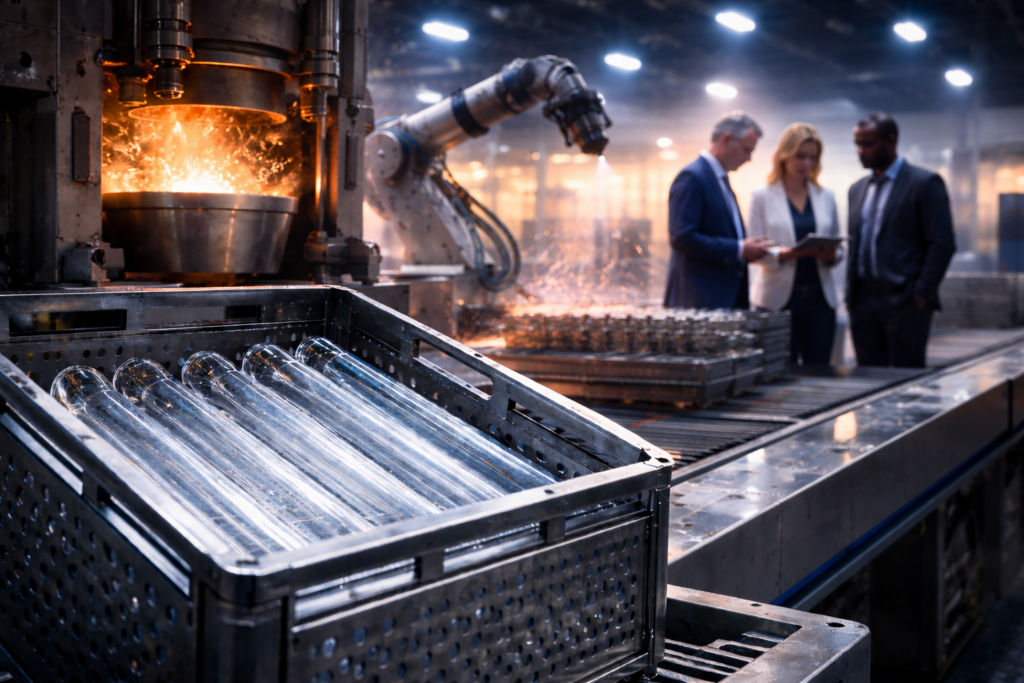
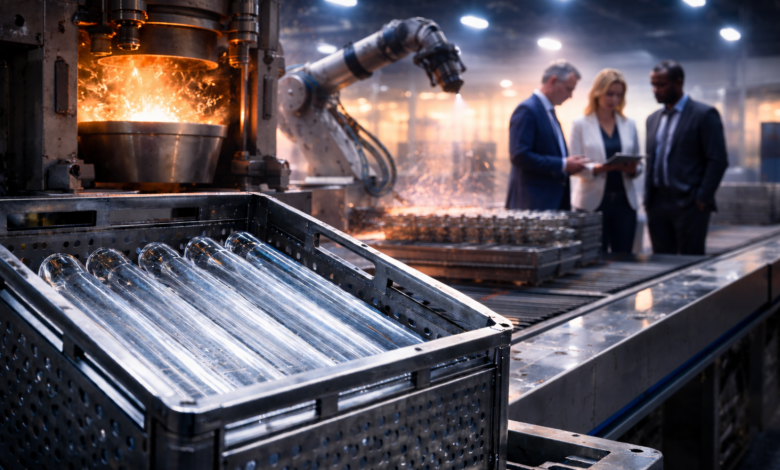
Modern manufacturing environments are increasingly exposed to high temperatures, continuous operation, and complex process dependencies. Under these conditions, the physical components that underpin production stability matter more than many executives realize. Elements such as quartz glass tubes supporting stable operation in heat-intensive manufacturing environments illustrate how foundational materials quietly influence uptime, yield consistency, and long-term asset performance—factors that now attract board-level scrutiny.
As disruptions become more costly and visible, senior leadership can no longer afford to view reliability as a purely technical matter.
Reliability as a Strategic Risk
Manufacturing reliability has traditionally been measured in terms of downtime, defect rates, and maintenance costs. While these metrics remain important, they fail to capture the broader strategic risks associated with unstable production systems.
In highly competitive industries, even short interruptions can ripple through supply chains, delay customer deliveries, and erode trust with key partners. For publicly visible companies, these disruptions can also affect investor confidence and market valuation. What once appeared as a localized operational issue now carries enterprise-wide implications.
Boards increasingly recognize that reliability failures expose organizations to financial volatility, regulatory pressure, and reputational damage—risks that sit squarely within their governance responsibilities.
The Changing Nature of Manufacturing Operations
Several trends are pushing reliability into the boardroom. First, manufacturing systems are running closer to their physical limits. Higher throughput targets, tighter tolerances, and longer production cycles leave less room for material degradation or process drift.
Second, production assets are more interconnected than ever. A single point of failure can cascade across multiple lines or facilities, magnifying the impact of relatively minor issues. In this environment, consistency over time becomes as important as peak performance.
Finally, many organizations have expanded globally, increasing exposure to diverse operating conditions and logistical complexity. Ensuring reliable output across regions requires a deeper understanding of how physical systems behave under sustained stress.
Hidden Dependencies in Physical Infrastructure
While digital tools and automation often dominate discussions about manufacturing transformation, physical infrastructure remains the foundation on which these systems operate. Materials that cannot maintain stability under heat, pressure, or repeated cycling introduce variability that digital controls cannot fully correct.
This is why boards are paying closer attention to the less visible aspects of production. Components that support containment, thermal management, and material handling may not appear on strategic dashboards, yet they determine whether production targets are met consistently.
In high-temperature processes, for example, quartz glass crucible solutions used in repeatable high-temperature production processes help maintain predictable operating conditions. Their role is indirect but critical: by enabling consistency, they reduce the likelihood of unplanned interventions and quality deviations.
Reliability and Long-Term Value Creation
From a governance perspective, reliability is increasingly linked to long-term value creation. Stable operations support predictable cash flows, lower capital replacement costs, and more accurate forecasting. Conversely, chronic reliability issues force organizations into reactive spending and undermine strategic planning.
Boards focused on sustainability and resilience are beginning to view reliability as an investment rather than a cost. Allocating resources toward robust physical systems may not deliver immediate returns, but it reduces exposure to shocks that can destroy value over time.
This shift mirrors broader changes in how risk is assessed at the highest levels of the organization.
What Boards Should Be Asking
As reliability rises on the strategic agenda, boards are starting to ask different questions. Instead of focusing solely on output and efficiency, they are probing how production systems behave under stress, how quickly issues can be detected, and how resilient physical assets are over their lifecycle.
Key considerations include:
- How dependent is output on specific materials or components?
- What assumptions are being made about long-term stability?
- Where could small physical failures create disproportionate business impact?
These questions move the conversation beyond quarterly metrics and toward structural resilience.
Conclusion
Manufacturing reliability is no longer a back-office concern. In a world of tight margins, complex supply chains, and heightened scrutiny, it has become a board-level business issue.
Organizations that elevate reliability into strategic discussions are better positioned to manage risk, protect value, and sustain growth. By understanding the physical foundations of production—and treating them as integral to business performance—boards can make more informed decisions that strengthen resilience across the enterprise.
In the years ahead, competitive advantage may belong not to the companies that scale fastest, but to those that operate most reliably.