7 NYC Architects Reveal Why Custom Steel Stairs Are Replacing Traditional Wood in Luxury Homes

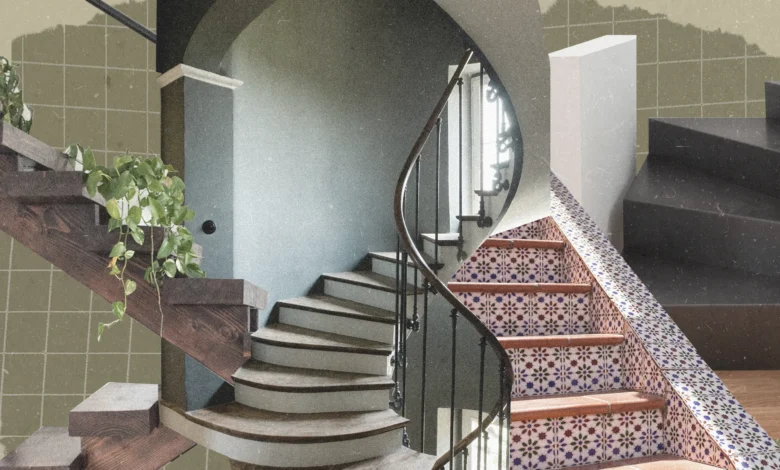
Manhattan’s luxury residential market has witnessed a fundamental shift in staircase design and construction over the past five years. Where solid hardwood once dominated high-end homes, steel fabrication now commands the attention of architects working on multimillion-dollar projects. This transformation stems from operational realities rather than aesthetic trends alone.
The change reflects deeper concerns about structural reliability, long-term maintenance costs, and design flexibility in spaces where traditional materials create limitations. Seven prominent New York architects working on luxury residential projects have identified specific factors driving this material transition, revealing how steel addresses problems that wood construction cannot resolve effectively.
Understanding these underlying factors helps explain why steel fabrication has become the preferred solution for complex residential applications where failure is not acceptable and where design requirements exceed what conventional materials can deliver reliably.
Structural Performance Requirements Drive Material Selection
Steel’s structural capacity fundamentally changes what architects can achieve in residential staircase design. Unlike wood, which requires substantial thickness and reinforcement to span longer distances, steel maintains its strength across extended runs without compromising safety factors. This performance difference becomes critical in luxury homes where open floor plans and dramatic ceiling heights create spans that push wood beyond its practical limits.
The structural advantages extend beyond simple load-bearing capacity. Steel maintains consistent performance regardless of environmental conditions, eliminating concerns about seasonal movement, moisture absorption, and gradual weakening that affect wood over time. For architects designing homes where staircases serve as central architectural features, this reliability ensures the structure performs as intended throughout the building’s lifespan.
According to the American Institute of Steel Construction, steel’s predictable behavior under load allows for more precise engineering calculations, reducing the safety margins required and enabling more efficient use of material. This precision becomes particularly valuable in custom applications where each component must fit exactly within predetermined spaces and perform specific structural functions.
Professional guidance becomes essential when evaluating steel options for residential applications. Resources like the Custom Steel Stairs New York guide provide detailed information about structural considerations, helping architects understand how different steel configurations perform in specific applications and what factors influence long-term reliability.
Load Distribution and Engineering Precision
Steel’s uniform material properties allow engineers to calculate exact load paths and distribute forces more efficiently throughout the structure. This precision eliminates guesswork about how loads transfer through connections and supports, providing architects with confidence that complex designs will perform as calculated. The result is staircases that can support heavy traffic loads while maintaining structural integrity over decades of use.
The engineering advantages become particularly evident in cantilevered designs and floating stair applications. Steel’s tensile strength allows individual treads to extend from wall connections without intermediate supports, creating visual effects that wood cannot achieve safely. These capabilities give architects design freedom while maintaining the structural performance required for residential applications.
Dimensional Stability Under Load
Steel maintains its dimensional accuracy under both static and dynamic loads, preventing the gradual deformation that affects wood structures over time. This stability ensures that connections remain tight, surfaces stay level, and the overall structure continues to perform as designed regardless of usage patterns or environmental conditions. For luxury homes where architectural details must remain precise, this consistency becomes a critical factor in material selection.
Design Flexibility Addresses Complex Spatial Requirements
Modern luxury homes often feature irregular layouts and challenging spatial constraints that traditional staircase construction cannot accommodate effectively. Steel fabrication allows architects to create custom solutions that work within these limitations while maintaining the aesthetic and functional requirements of high-end residential design. This flexibility stems from steel’s ability to be shaped, welded, and configured in ways that wood cannot match.
Custom steel stairs in New York luxury projects frequently incorporate compound curves, varying tread depths, and integrated lighting systems that would be impractical or impossible with wood construction. The material’s workability allows fabricators to create components that fit precisely within existing spaces, accommodating structural elements, mechanical systems, and architectural features that might otherwise conflict with staircase placement.
Complex Geometric Configurations
Steel fabrication enables architects to design staircases with helical geometries, multiple directional changes, and varying rise-to-run ratios that adapt to specific spatial requirements. These configurations often become necessary in luxury renovations where existing structural elements cannot be relocated and new staircases must work around immovable constraints. Steel’s fabrication flexibility allows for solutions that maintain code compliance while achieving the desired architectural effect.
The ability to create custom connections and joints means that steel staircases can interface seamlessly with existing structural elements, regardless of their configuration or material composition. This adaptability reduces construction complications and allows projects to proceed without major structural modifications to accommodate staircase installation.
Integration with Mechanical and Electrical Systems
Steel stair fabrication can incorporate channels and spaces for mechanical and electrical systems that luxury homes require. Integrated lighting, climate control distribution, and smart home wiring can be accommodated within the stair structure itself, eliminating the need for surface-mounted conduits or separate electrical chases that compromise the design aesthetic. This integration capability allows architects to maintain clean visual lines while providing the technical infrastructure that modern luxury homes demand.
Long-Term Maintenance Considerations Influence Material Choice
The maintenance requirements of staircase materials become a significant factor in luxury home design, where ongoing upkeep costs and disruption to daily life must be minimized. Steel staircases require substantially less maintenance than wood alternatives, eliminating the need for periodic refinishing, treatment against insects and decay, and replacement of worn components. This reduced maintenance burden appeals to property owners who prioritize long-term cost control and minimal disruption.
Steel’s resistance to environmental factors means that custom steel stairs new york installations maintain their appearance and structural integrity without regular intervention. Unlike wood, which requires periodic inspection for signs of deterioration, properly finished steel components can perform for decades without significant maintenance beyond routine cleaning. This reliability becomes particularly valuable in luxury homes where access for maintenance work may be complicated by security systems, landscaping, or interior finishes that cannot be easily disturbed.
Durability in High-Traffic Applications
Luxury homes often experience intensive use during entertainment events and daily family activities that can accelerate wear on traditional stair materials. Steel construction resists the surface damage, joint loosening, and structural fatigue that affect wood staircases under heavy use. The material’s durability ensures that the staircase maintains its appearance and performance regardless of traffic patterns or usage intensity.
Steel’s resistance to impact damage means that moving furniture, artwork, and other large items will not compromise the stair structure. This durability reduces long-term replacement costs and eliminates concerns about damage during normal household activities or special events that bring additional traffic through the home.
Resistance to Environmental Factors
Steel staircases properly treated with appropriate finishes resist moisture, temperature fluctuations, and other environmental factors that cause wood to expand, contract, and deteriorate over time. This stability maintains proper fit and finish throughout seasonal changes and prevents the squeaking, loosening, and structural movement that commonly affect wood stairs as they age. The environmental resistance ensures consistent performance regardless of humidity levels, temperature changes, or other conditions that might affect the building interior.
Installation Efficiency Reduces Project Complexity
Steel stair installation typically proceeds more efficiently than traditional wood construction, reducing the time required for completion and minimizing disruption to other construction activities. Prefabrication allows most components to be manufactured off-site under controlled conditions, with final installation requiring only positioning and connection work. This approach reduces on-site labor requirements and eliminates many of the variables that can delay traditional stair construction.
The precision of steel fabrication means that components fit together accurately without field modifications or adjustments that commonly extend wood stair installation timelines. Custom steel stairs new york projects benefit from this efficiency, as the demanding schedules typical of luxury construction require reliable completion dates and minimal coordination conflicts between trades.
Prefabrication Advantages
Off-site fabrication allows quality control measures that are difficult to achieve with field-built construction. Components can be welded, finished, and tested under controlled conditions, ensuring that installation proceeds smoothly without discovering fit or quality issues that require time-consuming corrections. This approach reduces overall project risk and provides architects with confidence that the completed installation will meet design specifications.
Prefabrication also allows installation to proceed during phases of construction when site access might be limited or when other trades require priority use of work areas. Steel components can be stored efficiently and installed quickly when space becomes available, providing scheduling flexibility that helps keep complex projects on track.
Reduced Site Impact
Steel stair installation generates less construction debris and requires fewer on-site operations than traditional wood construction. The reduced site impact becomes particularly important in luxury renovation projects where existing finishes must be protected and where dust and noise must be minimized. Quick installation also reduces the period during which the staircase area remains inaccessible, allowing normal building use to resume promptly.
Aesthetic Integration with Contemporary Architecture
Steel’s visual characteristics complement the clean lines and minimalist approaches that characterize much contemporary luxury residential design. The material’s ability to achieve sharp edges, precise angles, and smooth surfaces aligns with architectural styles that emphasize geometric clarity and material honesty. Unlike wood, which carries strong traditional associations, steel provides a neutral aesthetic foundation that supports various design directions without competing with other architectural elements.
The range of finishes available for steel allows architects to achieve specific aesthetic effects while maintaining the material’s structural advantages. From raw steel patinas to powder-coated surfaces in custom colors, the finishing options enable steel staircases to integrate seamlessly with interior design schemes that might otherwise require different materials. This finishing flexibility allows custom steel stairs new york installations to support diverse aesthetic approaches while providing consistent structural performance.
Material Compatibility
Steel interfaces effectively with other contemporary building materials including glass, concrete, and stone, allowing architects to create cohesive designs that incorporate multiple materials without visual conflict. The material’s neutral appearance provides a backdrop that allows other design elements to take prominence while contributing structural integrity and functional performance. This compatibility becomes particularly valuable in luxury homes where multiple high-end materials must work together harmoniously.
Steel’s ability to accept various surface treatments means that it can mimic other materials when aesthetic integration requires specific visual characteristics while maintaining its structural advantages. This adaptability allows architects to achieve desired visual effects without compromising performance or durability requirements.
Scale and Proportion Flexibility
Steel construction allows architects to achieve the delicate proportions that contemporary design often demands without sacrificing structural adequacy. Thin profile members can carry substantial loads, enabling designs with minimal visual mass that would be impractical with wood construction. This capability becomes particularly important in luxury homes where architectural details must appear refined and precisely proportioned while meeting demanding performance requirements.
Cost-Effectiveness Over Building Lifecycle
While initial installation costs for steel staircases may exceed those of traditional wood construction, the total lifecycle cost often favors steel due to reduced maintenance requirements, longer service life, and higher reliability. This cost structure appeals to luxury home owners who evaluate investments based on long-term value rather than initial expenditure alone. The financial advantages become more pronounced over time as maintenance and replacement costs for traditional materials accumulate.
Steel’s durability eliminates many of the hidden costs associated with wood stair ownership, including periodic refinishing, structural repairs, and eventual replacement of worn components. These ongoing expenses can exceed the initial cost difference between materials over the life of the installation, making steel the more economical choice despite higher upfront investment. Custom steel stairs new york installations demonstrate this cost advantage clearly, as the demanding use patterns typical of luxury homes accelerate wear on traditional materials while having minimal impact on properly designed steel construction.
Maintenance Cost Elimination
Steel staircases eliminate the periodic refinishing costs that wood requires to maintain appearance and protection against environmental factors. The labor and material costs associated with sanding, staining, and protective coating application can amount to substantial expenses over time, particularly for large or complex stair installations. Steel’s finish durability means these maintenance cycles become unnecessary, reducing long-term ownership costs significantly.
The elimination of maintenance scheduling also provides value by reducing disruption to household routines and avoiding the access restrictions that refinishing work typically requires. This convenience factor becomes particularly important in luxury homes where family schedules and entertainment activities cannot be easily interrupted for maintenance work.
Insurance and Safety Considerations
Steel’s fire resistance and structural reliability may influence insurance costs and liability considerations for luxury homes where property values and contents represent substantial financial exposure. The material’s predictable performance under emergency conditions provides safety advantages that wood cannot match, potentially affecting insurance assessments and providing peace of mind for property owners concerned about structural adequacy during extreme events.
Code Compliance and Safety Performance
Steel stair construction typically exceeds building code requirements by substantial margins, providing safety performance that goes beyond minimum standards. This enhanced safety becomes particularly important in luxury homes where liability concerns and occupant protection require conservative design approaches. Steel’s strength characteristics allow engineers to specify load capacities well above code minimums without significant cost increases, providing additional safety margins that wood construction cannot achieve economically.
The material’s fire resistance also contributes to overall building safety performance, as steel staircases maintain structural integrity longer than wood alternatives during fire events. This characteristic becomes increasingly important as building codes evolve to address life safety concerns and as insurance requirements become more stringent for high-value properties. Custom steel stairs new york installations demonstrate superior code compliance and safety performance compared to traditional alternatives.
Seismic and Dynamic Load Response
Steel’s ductility and strength characteristics provide superior performance under dynamic loading conditions including seismic events, high winds, and building movement due to thermal effects. While New York’s seismic activity remains limited, luxury buildings increasingly incorporate design measures that address all potential loading conditions to ensure occupant safety and structural integrity. Steel stair construction contributes to overall building resilience by maintaining structural continuity under conditions that might compromise other materials.
The material’s fatigue resistance ensures that repeated loading from normal use does not gradually weaken connections or structural elements, maintaining safety performance throughout the building’s service life. This reliability eliminates concerns about gradual deterioration that might compromise safety over time, providing consistent protection for building occupants.
Emergency Egress Reliability
Steel staircases maintain their structural integrity and usability under emergency conditions that might compromise other materials, ensuring reliable egress routes when building occupants need them most. The material’s fire resistance and structural stability provide confidence that emergency evacuation routes will remain accessible regardless of the conditions that necessitate evacuation. This reliability becomes a critical safety consideration in luxury homes where complex layouts and multiple levels require dependable egress paths.
Conclusion
The shift toward steel construction in luxury residential staircases reflects practical considerations that extend well beyond aesthetic preferences. Structural reliability, design flexibility, reduced maintenance requirements, and long-term cost effectiveness drive material selection decisions that prioritize performance over initial cost considerations. These factors become particularly important in luxury applications where failure is unacceptable and where design requirements often exceed what traditional materials can deliver reliably.
Steel’s advantages in complex installations, challenging spatial conditions, and demanding use environments make it the logical choice for architects working on high-end residential projects. The material’s ability to provide structural performance while supporting diverse aesthetic approaches allows designers to focus on architectural goals rather than working around material limitations. As luxury home construction continues to evolve toward more demanding performance standards and complex design requirements, steel fabrication provides the capabilities that traditional materials cannot match effectively.
Understanding these operational and economic factors helps explain why experienced architects increasingly specify steel for luxury residential stair applications. The material’s comprehensive advantages address the real-world requirements of high-end construction while providing the reliability and performance that luxury home owners expect from their investments.