
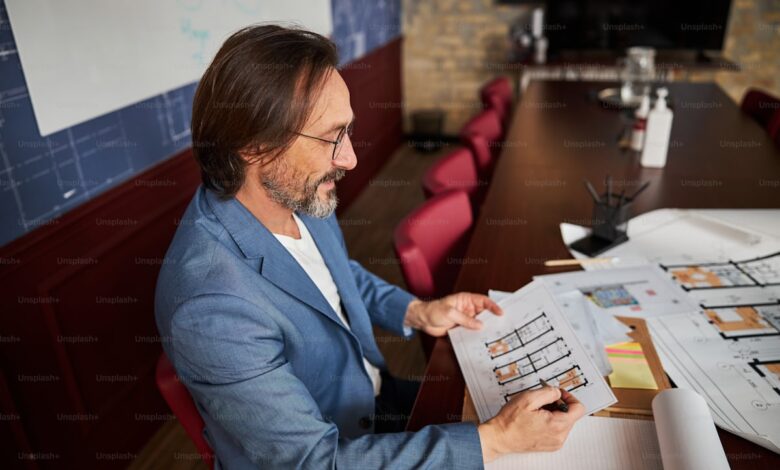
Purpose-Driven Planning
Every commercial design starts with clear goals. Planners must know what the space will be used for before making choices about layout or style. Hospitals need wide hallways and easy access to emergency rooms.
Restaurants require smooth flows from kitchens to dining areas to improve service speed.
Good planning leads to better operational efficiency and cost effectiveness. Architects can reduce wasted space by focusing on functionality and user needs. For example, an office that supports teamwork may use open layouts, while a law firm might choose private offices for privacy.
Strong purpose-driven planning helps match architecture with brand identity and business targets right from the start.
Functionality and Form
Good commercial design puts use and style together. Offices with open layouts help teams work together. Retail stores use clear signs and wide aisles to guide people easily. A building’s look should mirror its purpose, so customers and workers know what to expect.
“Form follows function—that has been misunderstood. Form and function should be one, joined in a spiritual union.” —Frank Lloyd Wright
Smart space planning increases operational efficiency. Designers choose materials that last long but also fit the brand identity. Functional areas let people move without trouble while keeping the place visually pleasing.
Flexible spaces are key for businesses that change quickly or grow fast, leading into how scalability keeps designs future-ready.
Scalability and Flexibility
A smart commercial design fits both current needs and future growth. Spaces like open-plan offices or modular retail stores allow easy changes as businesses add staff or services. Scalable layouts help companies save money on big moves or renovations.
Flexible workstations and movable walls can adapt to new tasks, markets, or technology without much downtime.
In 2019, CBRE research found that 60% of top U.S. companies ranked flexibility as their main priority for future office spaces. Moveable furniture and adjustable meeting rooms let teams reconfigure areas in minutes.
Flexibility gives a business the power to respond quickly to industry trends while keeping operations smooth and user experience strong.
Proper planning supports not just flexible space but better functionality too, which ties into sustainability and energy efficiency next.
Sustainability and Energy Efficiency
Sustainable commercial design saves energy and cuts costs. Smart buildings use LED lighting, motion sensors, and energy-efficient HVAC systems. The U.S. Green Building Council says that green buildings can cut energy use by up to 30%.
Recycled materials like steel or reclaimed wood help protect the planet while adding style.
Natural light from large windows reduces electricity needs during daytime hours. Solar panels on roofs make it easy to lower utility bills and carbon footprints at the same time. Good insulation keeps heating and cooling efficient all year long, supporting both comfort and operational efficiency in every season.
Technology Integration
Technology integration is vital in modern commercial design. Smart systems improve usability and efficiency. These systems can control lighting, heating, and security from one device.
Businesses save time and resources through automation.
High-speed internet enables smooth communication between teams. Virtual reality tools help clients visualize spaces before they are built. This leads to better decisions during the design process.
Many businesses turn to home renovation services to create inviting environments that attract customers and enhance their brand image.
Integrating technology enhances both user experience and operational efficiency for brands.
Brand Identity and Integration
Brand identity shapes how customers see a business. It includes logos, colors, and designs that reflect the brand’s values. A strong brand identity helps companies stand out in crowded markets.
Clear visuals tell customers what to expect. This builds trust and loyalty over time.
Integrating brand identity into commercial design connects users to the space. Colors and materials should match the brand’s image and message. Spaces that echo these elements feel familiar to clients and employees alike.
Functionality also plays a role; well-designed spaces enhance user experience while staying true to the brand’s essence. Good design aligns with operational needs too, ensuring efficiency complements aesthetics seamlessly.
User-Centric Experience
Brand identity and user experience work hand in hand. A user-centric experience focuses on the needs of people first. It enhances how they interact with a space or product. This approach improves customer satisfaction and loyalty.
Design should consider comfort and usability. Ergonomics plays a key role here, making spaces accessible for everyone. Clear pathways help users navigate easily without confusion. Adding elements that provide sensory comfort, like sound control and lighting, creates an inviting atmosphere.
Each detail contributes to an effective design that meets users’ expectations while reflecting the brand’s mission.
Strategic Lighting and Acoustics
Lighting and acoustics play a big role in commercial design. Good lighting sets the right mood and improves how spaces look. It can make areas feel warm or energizing, depending on the needs of the people using them.
Acoustics also matter for comfort and focus. Sound levels affect how well people work or relax in a space. Soft surfaces can help reduce noise, while hard surfaces may increase it.
Choosing the right mix leads to better user experience and enhances brand identity through thoughtful design choices.
Code Compliance and Safety Standards
Code compliance and safety standards are essential in commercial design. These rules ensure that buildings are safe for everyone. They cover many areas like fire safety, accessibility, and structural integrity.
Overlooking these codes can lead to serious problems. Fines can be substantial, and unsafe designs can endanger lives. Designers must know local building codes to avoid issues.
Safety standards also improve user experience. A well-designed space considers how people move around safely. For instance, clear exits enhance evacuation in emergencies. Accessible features make spaces welcoming for all individuals, regardless of ability.
Functionality combined with aesthetics helps create a positive atmosphere while adhering to regulations. Following these guidelines meets legal requirements and builds confidence with clients and users alike.
Cost Management and Constructability
Cost management is a key part of successful commercial design. It ensures that projects stay within budget while meeting goals. Designers must balance quality and costs. They should understand material choices and labor expenses early in the process.
This helps avoid surprises later.
Constructability focuses on how easy it is to build a project as planned. A good design takes into account site conditions, materials, and building methods. This makes construction smoother and faster.
Effective communication among teams can improve both cost management and constructability for better results in commercial projects.
Best Practices for Collaboration in Design
Collaboration in design is key to success. Working together helps bring great ideas to life.
- Share clear goals. Everyone should understand the project’s purpose from the start.
- Foster open communication. Team members must feel free to share their thoughts and ideas.
- Use collaborative tools. Software like Slack or Trello can help keep everyone on the same page.
- Hold regular meetings. Frequent check-ins keep progress on track and address issues early.
- Encourage feedback from all team members. Different perspectives can lead to better solutions and designs.
- Involve stakeholders early in the process. This helps ensure that everyone’s needs are met as you move forward.
- Respect each other’s expertise and opinions; this builds trust and strengthens teamwork over time.
- Set timelines for tasks; this keeps the project moving and allows team members to manage their time effectively.
- Celebrate small wins along the way; recognizing progress boosts morale and motivates the team.
- Document decisions made during meetings; this creates a record that helps avoid confusion later.
These practices will enhance your team’s collaboration, making design processes smoother and more effective.
Conclusion
Successful commercial design focuses on clear goals. It blends form and function to create engaging spaces. Sustainability matters in today’s world, as does tech integration. A strong brand identity shines through every detail.
Prioritizing user experience ensures satisfaction and efficiency. Keep these elements in mind for great design that stands out.