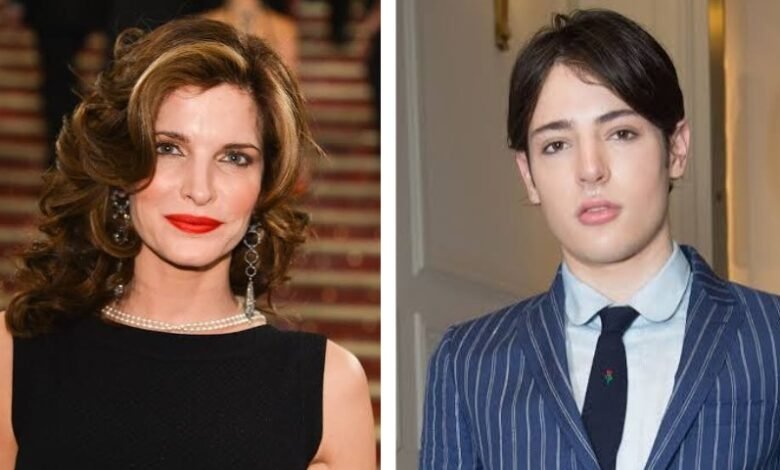
Harry Brant was an American model, writer, and fashion personality whose distinctive style made him a recognizable figure in New York’s art and fashion circles. Born into a family connected to high fashion, publishing, and contemporary art, he developed interests that extended beyond his famous surname. He was the son of supermodel Stephanie Seymour and businessman, publisher, and art collector Peter Brant. Alongside his older brother, Peter Brant II, Harry helped introduce a new generation of creative personalities to the fashion spotlight. His modeling work, contributions to Interview magazine, and collaboration with MAC Cosmetics demonstrated his interest in fashion as a form of artistic expression.
Quick Bio
| Detail | Information |
|---|---|
| Full Name | Harry Brant |
| Known For | Modeling, writing, fashion, and social appearances |
| Famous Connection | Stephanie Seymour |
| Relationship | Son of Stephanie Seymour |
| Father | Peter Brant |
| Profession | Model, writer, and fashion personality |
| Birth Date | August 3, 1996 |
| Birthplace | Connecticut, United States |
| Nationality | American |
| Siblings | Peter Brant II, Lily Margaret Brant, and half-siblings |
| Education | Attended Rye Country Day School; later attended Bard College, according to published reports |
| Notable Collaboration | MAC Cosmetics unisex makeup collections with his brother |
| Death | January 17, 2021, aged 24 |
| Cause of Death | Accidental overdose of prescription medication, as reported by his family |
| Public Status | Deceased; remembered for his fashion influence and creative work |
Who Was Harry Brant?
Harry Brant was more than the son of a celebrated supermodel and a prominent businessman. During his short life, he established a public identity through modeling, fashion writing, cosmetics, and a highly individual approach to personal style.
Growing up around fashion and contemporary art gave Brant early exposure to creative environments. His mother, Stephanie Seymour, had spent decades working in the international modeling industry, while his father, Peter Brant, was known for publishing, business, and art collecting. Their backgrounds provided a natural connection to the industries that later interested Harry, although his own creative direction developed through his personal tastes and projects.
Brant became a recognizable presence in New York’s social and fashion scenes during his teenage years. Photographs of him at events, his fashion choices, and his work with established brands attracted attention, but his interests were not limited to celebrity culture. He also explored art history, magazine writing, and the relationship between clothing, beauty, and identity.
What distinguished Harry was the way he approached fashion as something to interpret rather than simply wear. His public image combined references to historical menswear, contemporary designers, and traditionally feminine clothing. That perspective became an important part of his creative identity.
Harry Brant and Stephanie Seymour: A Mother-Son Relationship
Harry Brant was the younger son of Stephanie Seymour and Peter Brant. Their family connection is central to understanding his upbringing and his early access to the fashion world, but it also helps explain the personal significance of his legacy.
Seymour’s career placed her among the prominent models of the late twentieth century. Harry grew up with a mother whose professional life involved designers, photographers, fashion shows, and magazine shoots. In a 2014 Harper’s Bazaar profile, Seymour and her sons discussed their shared enthusiasm for clothes and the boys’ interest in putting together outfits for her.
That family environment offered an early introduction to fashion as a creative process. Harry subsequently developed his own recognizable style, showing a willingness to experiment with silhouettes, accessories, cosmetics, and references to earlier eras.
However, his accomplishments should not be reduced to his mother’s reputation. His modeling assignments, writing, and cosmetics collaborations gave him opportunities to contribute to the industry in his own right.
The relationship also took on a more personal public dimension after Harry’s death. In 2023, Seymour spoke about her grief in an interview with WSJ. Magazine, describing how wearing some of her son’s clothes helped her maintain a connection with him. Her reflections illustrated how fashion became a way for Seymour to remember Harry beyond his public profile.
Harry Brant’s Early Life and Family Background
Harry Brant was born on August 3, 1996, in Connecticut, into a family whose interests spanned modeling, publishing, business, and art. His parents were Stephanie Seymour and Peter Brant, and he grew up alongside his older brother, Peter Brant II, and younger sister, Lily Margaret Brant. His wider family also included half-siblings from his parents’ other relationships.
His upbringing differed from that of most aspiring fashion professionals. He had access to an environment where art, designer clothing, photography, and cultural events were familiar parts of life. Yet early exposure to the industry did not automatically define his interests. In a 2015 Vogue interview, Brant explained that modeling had not originally been his childhood ambition, even though he admired his mother’s work.
He reportedly received high-fashion campaign offers as a young teenager, but his parents initially did not allow him to pursue them. By his late teens, however, he was taking on professional assignments and developing a public identity of his own.
His early experiences help explain why Harry Brant became more than a familiar name in celebrity coverage. He grew up around creative influences and gradually translated those experiences into an interest in fashion, beauty, and editorial work.
Growing Up With Stephanie Seymour as His Mother
Having Stephanie Seymour as a mother gave Harry an unusual perspective on the fashion industry. Seymour had established herself as one of the prominent models of the 1980s and 1990s, appearing in major fashion publications and working with influential designers.
For Harry, her career provided an early example of modeling as a profession. It also exposed him to the collaborative side of fashion, where photographers, stylists, designers, makeup artists, and models work together to create an image.
A 2014 Harper’s Bazaar profile of Seymour and her sons offered a glimpse of the family’s shared interest in clothing. Seymour recalled that her sons enjoyed choosing outfits for her when they were young. The account suggests that fashion was a point of family connection long before Harry began appearing professionally in magazines and at runway shows.
Harry nevertheless developed a style that was recognizably his own. He was drawn to expressive clothing, historical references, and a more fluid approach to menswear and beauty. Rather than simply reproducing his mother’s professional image, he explored fashion from a younger generation’s perspective.
This distinction matters when considering his legacy. Stephanie Seymour’s influence formed part of his background, but Harry’s work showed how the next generation could reinterpret the same industry through different tastes and cultural expectations.
Who Is Stephanie Seymour?
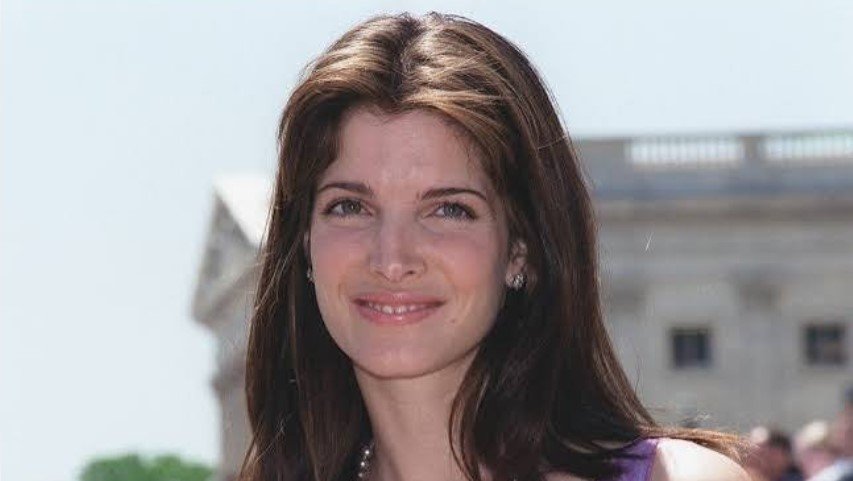
Stephanie Seymour is an American model and actress who rose to international prominence during the late 1980s and 1990s. Her career included major magazine appearances, fashion campaigns, and work with leading designers. She also became widely recognized through her association with Victoria’s Secret and her appearances in Guns N’ Roses music videos.
Seymour’s modeling career placed her among the defining fashion figures of her era. Her experience in editorial photography and runway work made her an established name well before Harry began attracting attention. Her marriage to publisher and art collector Peter Brant further connected the family to the art and publishing worlds.
For Harry Brant, Seymour’s significance was both professional and personal. She was a source of early exposure to fashion and a central member of his family. After his death, she also became one of the people publicly preserving his memory. Her decision to wear and document pieces from his wardrobe showed how his personal style continued to hold meaning beyond his modeling career.
Harry Brant’s Modeling Career and Fashion Breakthrough
Harry Brant began attracting attention in the fashion industry while still young. His appearance, family background, and confidence at public events made him a recognizable figure, but professional assignments helped move him beyond the label of a society personality.
One of his important career milestones came in 2015, when he walked the runway for Balmain under creative director Olivier Rousteing. He also appeared in Italian Vogue, photographed by Steven Meisel, a prominent fashion photographer. These opportunities gave Brant exposure to major names in the industry and confirmed that his interests extended into professional modeling.
His modeling work was notable partly because he did not follow a conventional approach to menswear. He embraced expressive styling and showed an interest in clothing that challenged rigid distinctions between men’s and women’s fashion. His makeup choices and use of elaborate accessories became recognizable elements of his public image.
Brant’s career was still developing when he died, so it would be inaccurate to describe his professional trajectory as complete. Nevertheless, his runway appearance and editorial work demonstrated that he had established connections with influential figures in fashion and had begun building a body of work of his own.
The Brant Brothers: Harry and Peter Brant II
Harry’s relationship with his older brother, Peter Brant II, was an important part of his public identity. The brothers frequently appeared together at fashion events, art gatherings, and social occasions in New York. Fashion publications often covered them as a pair, describing their shared interest in distinctive clothing and their presence in the city’s creative scene.
Their partnership extended beyond public appearances. Both brothers were interested in cosmetics and fashion, and they worked together on makeup collections for MAC Cosmetics. The collaboration allowed them to translate their personal approach to style into a commercial beauty project.
Although they shared many interests, Harry had his own preferences. In interviews, he discussed his attraction to women’s clothing and his interest in fashion as a means of transformation and self-expression. His style drew on historical references and a willingness to experiment rather than simply follow conventional menswear rules.
Their partnership helped introduce Harry to a broader audience, but it also showed that his fashion interests were connected to ongoing creative work. His public identity involved more than attending events; he participated in projects that brought his ideas into the beauty and fashion industries.
Harry Brant’s Work With MAC Cosmetics
One of Harry Brant’s most significant commercial projects was his collaboration with MAC Cosmetics alongside Peter Brant II. The brothers worked on unisex makeup collections, bringing their interest in cosmetics to a major beauty brand.
Their interest in makeup was connected to their experiences growing up around fashion. Watching their mother prepare for professional appearances gave them early exposure to the role cosmetics can play in creating a look. As they developed their own styles, makeup became another way to explore identity and presentation.
The MAC collaboration was notable because it treated makeup as something that could be enjoyed across traditional gender categories. Harry and Peter were part of a broader shift in fashion and beauty toward more flexible ideas about self-expression.
For Harry, the project also demonstrated that his interests extended beyond wearing designer clothing. He was involved in a collaborative commercial venture that connected personal style with a recognizable international beauty brand.
Although the collections represent only one part of his career, they remain among the clearest examples of his work outside modeling and magazine appearances.
Harry Brant as a Writer and Creative Thinker
Fashion was not Harry Brant’s only creative interest. He also contributed to Interview magazine, the publication founded by artist Andy Warhol and later owned by his father, Peter Brant.
Brant began writing for the magazine while he was still young. His connection to the publication placed him in an editorial environment that brought together art, film, fashion, and celebrity culture. It also offered an opportunity to engage with creative subjects beyond his own public image.
In 2020, Brant interviewed American fashion designer Marc Jacobs for Interview in a feature about men wearing makeup. The subject reflected his continuing interest in beauty as a form of personal expression and demonstrated his ability to participate in fashion conversations from a writer’s perspective.
His writing and interviews are important to understanding the range of his ambitions. He had begun exploring different roles within the creative industries, including modeling, editorial work, and beauty collaborations. His career was still at an early stage, but these projects indicated that he was interested in shaping ideas about fashion as well as appearing in fashion imagery.
Harry Brant’s Personal Style and Influence on Gender-Fluid Fashion
Harry Brant’s personal style was one of the most distinctive aspects of his public image. He frequently experimented with expressive tailoring, statement accessories, makeup, and clothing influenced by earlier periods of fashion.
Rather than treating menswear as a fixed set of rules, he approached it as a space for experimentation. His looks could draw on traditional elegance while incorporating elements that challenged conventional expectations of masculine presentation.
His public appearances as a teenager reflected this interest. In 2013, for example, he attended the Met Gala wearing an embroidered Yves Saint Laurent jacket and smoky eye makeup, according to Vogue. The appearance reflected an interest in combining classic designer fashion with a more theatrical approach to styling.
Brant’s approach was part of a wider conversation in fashion about gender expression, beauty, and individuality. He was not the sole figure responsible for these changes, but his high-profile appearances and cosmetics work placed him within that cultural movement.
His influence should be understood in proportion to his career. He was a young creative figure rather than an established designer or a long-serving fashion executive. Even so, his public style offered an example of how personal expression could challenge traditional boundaries within menswear and beauty.
Harry Brant’s Life in New York’s Art and Social Scene
During the 2010s, Harry Brant became a familiar presence at New York fashion events, art gatherings, and high-profile parties. His upbringing, personal style, and professional connections made him a frequent subject of fashion and society coverage.
He and his brother were often photographed at events attended by designers, models, artists, and other prominent cultural figures. Their visibility attracted attention while they were still in their teens, placing them among a generation of young people whose personal style and family backgrounds made them recognizable in celebrity media.
Yet social visibility and professional achievement are not the same thing. Brant’s public appearances were one aspect of his life, while his work with MAC Cosmetics, modeling assignments, and writing for Interview provided more concrete examples of his creative interests.
His life also illustrates a familiar tension in celebrity culture: the public often becomes interested in a person through family connections before learning much about their individual work. Brant’s surname opened doors to attention, but his own interests helped define the image he presented.
A balanced account of his life therefore needs to recognize both sides. He benefited from an unusually connected upbringing, and he also pursued projects that reflected his own perspective on fashion, art, and beauty.
Harry Brant’s Education and Interests Beyond Fashion
Published accounts identify Rye Country Day School as part of Harry Brant’s educational background and report that he later attended Bard College. However, detailed, authoritative public information about his academic studies and any qualifications he completed is limited.
His interviews provide a clearer picture of his intellectual interests than a list of academic credentials alone. Brant expressed enthusiasm for art history, classic films, books, and fashion imagery. These interests informed the way he approached clothing and beauty, often bringing historical or artistic references into his personal style.
His connection to the art world was also shaped by his family environment. His father collected contemporary art and was involved in publishing, while his own work for Interview brought him into contact with editorial culture.
It is important, however, not to assume that family exposure tells the whole story of his education or personal development. The public record offers glimpses of his interests rather than a complete account of his private intellectual life.
What can be established is that Brant’s creative pursuits extended beyond modeling. His work suggests an interest in the wider cultural ideas that influence fashion, from visual art to the changing meaning of beauty.
Harry Brant’s Final Years and Death
Harry Brant died on January 17, 2021, at the age of 24. His family confirmed that he had died following an accidental overdose of prescription medication and spoke publicly about his struggles with addiction. The news was reported by established outlets, including the Los Angeles Times and Vogue.
In its statement, the family emphasized Harry’s creative spirit and his importance to relatives and friends. They also said that he had wanted to overcome his addiction and had been preparing to return to rehabilitation. His death brought renewed attention to the distinction between a person’s public achievements and the private difficulties they may experience.
It is important to approach this part of his story with care. His death was a profound loss for his family, and the available public information does not justify assumptions about every aspect of his personal life or experiences.
Harry’s death also meant that several professional possibilities remained unrealized. Contemporary reporting described plans for him to become more involved in the creative side of Interview magazine. Because he died so young, it is impossible to know how his work or career might otherwise have developed.
His story is therefore not only a record of fashion appearances and professional milestones. It is also a reminder that public visibility does not reveal the full complexity of an individual’s life.
How Stephanie Seymour Keeps Harry Brant’s Memory Alive
In January 2023, Stephanie Seymour spoke publicly about her grief in an interview with WSJ. Magazine. One of the ways she described maintaining a connection with Harry was by wearing pieces from his wardrobe. The Los Angeles Times and Vanity Fair reported on the interview and the personal significance of this gesture.
Among the pieces Seymour discussed was a Saint Laurent suit that had belonged to her son. She explained that wearing his clothing helped her cope with the loss and gave her a way to continue engaging with his distinctive sense of style.
The gesture was particularly meaningful because fashion had been a shared interest between mother and son. Clothing was not merely part of Harry’s professional identity; it was something he had enjoyed from childhood. Preserving his wardrobe offered Seymour a tangible connection to that part of his life.
Her public reflections also demonstrated how his influence continued within the family after his death. Rather than remembering him only through photographs or press coverage, she found a way to incorporate his creative legacy into her own life.
Seymour’s tribute does not tell the whole story of their private relationship, which was necessarily more complex than what appeared in interviews. It does, however, provide a documented example of the enduring significance Harry’s style and personal presence held for his mother.
Harry Brant’s Net Worth and Financial Background
There is no reliably verified public figure establishing Harry Brant’s personal net worth at the time of his death. Numbers circulated by celebrity biography websites should not be treated as authoritative without supporting financial records or credible reporting.
Harry grew up in a wealthy family and participated in modeling, editorial work, and a cosmetics collaboration. Those circumstances provide context for his opportunities, but they do not establish the value of his personal assets, earnings, or investments.
His father, Peter Brant, built a substantial business and publishing career and became known as an art collector. However, his father’s wealth should not be confused with Harry’s individual net worth. Likewise, family property, art collections, and business interests cannot automatically be counted as assets personally owned by Harry.
A fact-based account therefore distinguishes between his family’s financial circumstances and his own financial position. Without authoritative documentation, a precise estimate would be speculative.
Harry Brant’s Legacy in Fashion and Beauty
Harry Brant’s legacy rests on a combination of professional work, personal style, and his place within a prominent creative family. His modeling appearances introduced him to fashion audiences, while his work with MAC Cosmetics demonstrated an interest in beauty beyond the runway.
His writing for Interview also forms part of that legacy. It shows that his ambitions included editorial and cultural work, not simply public appearances. His interest in art history, classic films, and fashion imagery gave his style a wider frame of reference.
The collaboration with his brother remains an especially tangible example of his contribution. Their unisex makeup collections reflected an approach to beauty that allowed for experimentation beyond traditional gender expectations.
His death at 24 inevitably limited the extent of his professional achievements, and it would be misleading to claim that his career had reached its full potential. Nevertheless, his existing work provides a meaningful record of the interests he pursued.
For readers searching for Harry Brant today, his story offers more than an account of Stephanie Seymour’s son. It presents a portrait of a young creative figure who used fashion, writing, and cosmetics to explore identity and self-expression while building a public profile of his own.
Conclusion
Harry Brant was a model, writer, and fashion personality whose short life intersected with some of the most recognizable names in fashion and contemporary art. As Stephanie Seymour’s son, he grew up with an early understanding of the industry, but his own creative interests helped establish an identity beyond his family background.
His work with Balmain, appearances in fashion publications, writing for Interview, and collaboration with MAC Cosmetics reflected a broad interest in how clothing and beauty communicate individuality. His personal style challenged conventional expectations, making him a distinctive presence in New York’s fashion scene.
Harry’s death in January 2021 was a profound loss for his family and the creative community that had followed his early career. Stephanie Seymour’s later reflections on preserving his clothing show how his influence continues to hold personal meaning.
Ultimately, Harry Brant’s story is best understood through both his family connection and his own work. He was the son of an internationally recognized supermodel, but he was also a young creative with identifiable interests, professional accomplishments, and unrealized possibilities. His legacy remains tied to the individuality he brought to fashion and the lasting place he holds in his family’s life.
FAQs
Who was Harry Brant?
Harry Brant was an American model, writer, and fashion personality. He gained recognition through modeling, appearances in fashion publications, work with Interview magazine, and a cosmetics collaboration with his brother.
How was Harry Brant related to Stephanie Seymour?
Harry Brant was Stephanie Seymour’s son with businessman and publisher Peter Brant. Seymour’s modeling career provided an early connection to the fashion world that Harry later entered in his own right.
When was Harry Brant born?
Harry Brant was born on August 3, 1996, in Connecticut, United States. He died in January 2021 at the age of 24.
What was Harry Brant famous for?
He was known for modeling, his distinctive personal style, fashion writing, and collaborations with MAC Cosmetics. His public appearances in New York’s fashion and art scenes also contributed to his recognition.
Did Harry Brant work with MAC Cosmetics?
Yes. Harry and his older brother, Peter Brant II, collaborated with MAC Cosmetics on unisex makeup collections. The project reflected their shared interest in beauty and expressive personal style.
When did Harry Brant die, and how old was he?
Harry Brant died on January 17, 2021, at the age of 24. His family said that he died following an accidental overdose of prescription medication and publicly acknowledged his struggles with addiction.
What was Harry Brant’s net worth?
Harry Brant’s personal net worth has not been established by a reliable, authoritative public source. His family’s wealth and business interests should not be treated as proof of his individual financial assets.
How does Stephanie Seymour remember Harry Brant?
Stephanie Seymour has spoken about wearing some of Harry’s clothes as one way of coping with her grief. She described preserving and wearing pieces from his wardrobe, connecting his memory with their shared love of fashion.
For More Updates Visit: Fortune Magazine