
The 5-Step Framework US Beverage Brands Use to Design Custom Corrugated Packaging That Sells Itself

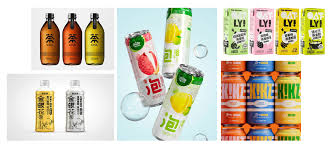
US beverage brands operate in an environment where packaging decisions can determine success or failure before consumers even taste the product. Every quarter brings new challenges in logistics costs, supply chain disruptions, and shifting consumer expectations for both protection and presentation. The brands that thrive understand that packaging serves as both a protective barrier and a silent salesperson, requiring a systematic approach that addresses structural integrity, shelf appeal, and operational efficiency simultaneously.
Companies that excel in this market have developed frameworks that bridge the gap between functional requirements and commercial impact. These organizations recognize that packaging decisions made during the design phase influence everything from transportation costs to customer retention rates. The most successful operations treat packaging development as an integrated process where each element supports both product safety and brand positioning.
Understanding Material Performance Requirements in Beverage Applications
Beverage packaging faces unique stresses that distinguish it from other food industry applications. Moisture exposure, temperature fluctuations, and weight distribution create conditions where standard packaging solutions often fail. Custom corrugated packaging for food and beverage industry applications must account for these variables while maintaining structural integrity throughout the distribution chain.
The foundation of effective beverage packaging lies in understanding how different corrugated constructions respond to moisture and weight. Single-wall constructions work well for lightweight products in controlled environments, while double-wall and triple-wall options provide necessary strength for heavier loads or longer distribution cycles. The key consideration centers on matching construction strength to actual distribution conditions rather than over-engineering solutions that increase costs without improving performance.
Moisture Resistance and Temperature Stability
Beverage products introduce moisture through condensation, spillage, and temperature changes during storage and transport. Corrugated materials respond predictably to moisture exposure by losing strength and structural integrity. This degradation process affects different constructions at varying rates, making material selection critical for maintaining package performance.
Temperature fluctuations compound moisture challenges by creating condensation cycles that can weaken package structures over time. Successful brands account for these conditions by specifying treatments and constructions that maintain performance across expected temperature ranges. The goal involves selecting materials that provide adequate protection without adding unnecessary cost or complexity to the packaging system.
Weight Distribution and Stacking Performance
Beverage products typically involve higher per-unit weights than many food products, creating different stacking and compression requirements. Edge crush strength becomes particularly important when packages must support multiple layers during warehouse storage or retail display. Poor weight distribution can lead to package failure, product damage, and significant financial losses.
Effective weight distribution requires consideration of both individual package construction and how multiple packages interact when stacked. Successful designs distribute weight across the entire package structure rather than concentrating stress at specific points. This approach extends package life and reduces the risk of failure during handling and storage operations.
Integrating Brand Elements Without Compromising Structure
The challenge of incorporating brand elements into corrugated packaging requires balancing visual impact with structural performance. Every die cut, score line, and printing application affects package strength and functionality. Successful beverage brands approach this integration systematically, ensuring that visual elements enhance rather than compromise package performance.
The most effective designs treat branding as an integral part of the structural solution rather than an add-on feature. This approach requires early collaboration between brand teams and packaging engineers to identify opportunities where branding elements can reinforce package structure. Window cuts, for example, can be designed to reduce material usage while providing product visibility, creating both cost savings and marketing benefits.
Structural Considerations for Printing and Graphics
Large-format printing and heavy ink coverage can affect corrugated performance by adding moisture and changing material properties. The printing process introduces water-based inks that must dry completely to avoid compromising package strength. Additionally, extensive graphics coverage can reduce the material’s ability to absorb moisture from other sources, potentially concentrating moisture-related weakening in untreated areas.
Successful brands coordinate printing specifications with structural requirements to optimize both appearance and performance. This coordination includes timing print production to allow complete drying, selecting ink formulations that minimize moisture introduction, and designing graphics layouts that support rather than interfere with package structure.
Die Cut Integration and Package Integrity
Custom die cuts serve multiple functions in beverage packaging, from creating easy-open features to providing product visibility and handling convenience. However, each cut represents a potential failure point that must be carefully engineered to maintain package integrity. The placement, size, and shape of die cuts require consideration of how they interact with package stresses during normal use.
Effective die cut design balances functionality with structural requirements by considering stress concentration and load paths through the package. Rounded corners and gradual transitions reduce stress concentration, while strategic placement ensures that cuts do not interfere with critical load-bearing areas. The result creates packages that deliver desired functionality without sacrificing reliability.
Distribution Chain Optimization Through Design
Beverage distribution involves multiple handling stages, each presenting different challenges for package performance. From initial palletizing through retail placement, packages must maintain integrity while providing efficient handling characteristics. Understanding these distribution requirements enables design decisions that reduce costs and improve reliability throughout the supply chain.
Effective distribution optimization begins with mapping actual handling conditions rather than assuming ideal scenarios. Successful brands document temperature ranges, humidity levels, handling frequency, and storage durations at each distribution stage. This information guides material selection and structural design decisions that address real-world conditions rather than theoretical requirements.
Palletization and Warehouse Efficiency
Warehouse operations require packages that stack efficiently, provide stable pallet loads, and resist damage during mechanical handling. Package dimensions directly impact palletization efficiency, while structural design affects stacking performance and load stability. Poor palletization leads to wasted space, increased shipping costs, and higher damage rates during transport.
Successful designs optimize package dimensions for standard pallet configurations while maintaining appropriate product protection. This optimization often requires trade-offs between perfect product fit and efficient palletization. The Environmental Protection Agency notes that packaging optimization can significantly reduce transportation-related environmental impacts through improved efficiency.
Additionally, package design affects warehouse automation compatibility and handling speed. Packages that work well with automated systems reduce labor costs and improve throughput, providing operational advantages that extend beyond basic product protection.
Retail Display and Consumer Interaction
Retail environments present unique challenges including frequent handling, varying storage conditions, and the need for visual appeal. Packages must maintain appearance and functionality despite repeated consumer interaction and potential mishandling. Design decisions made during development directly impact retail performance and consumer perception.
Successful retail-focused designs anticipate common handling scenarios and incorporate features that maintain package integrity and appearance. Reinforced corners resist damage from shopping cart impacts, while protected graphics maintain visual appeal despite handling. These considerations ensure that packages perform well throughout the entire distribution cycle, from warehouse to consumer purchase.
Testing and Validation Protocols for Performance Assurance
Systematic testing provides the foundation for reliable package performance across varying conditions. Effective testing protocols simulate actual distribution and use conditions rather than relying solely on standardized tests that may not reflect real-world stresses. Successful beverage brands develop comprehensive testing approaches that validate both individual package performance and interaction with distribution systems.
Testing effectiveness depends on accurately replicating the conditions packages will encounter during actual use. This replication requires understanding distribution chains, handling practices, and environmental conditions specific to beverage operations. Generic testing protocols often miss critical failure modes that only appear under industry-specific conditions.
Environmental Simulation and Stress Testing
Environmental testing validates package performance under temperature and humidity conditions that mirror actual distribution environments. Beverage packages face particularly challenging conditions including refrigerated storage, temperature transitions, and high-humidity environments. Testing protocols must account for these specific conditions to provide meaningful performance data.
Effective environmental testing includes both steady-state conditions and transition scenarios that simulate real distribution cycles. Packages may perform well under stable conditions but fail during temperature or humidity transitions. Comprehensive testing identifies these potential failure modes and guides design modifications that improve reliability.
Load Testing and Compression Analysis
Load testing validates package ability to support stacking loads and resist compression damage during storage and transport. Beverage packages often face higher compression loads than other food packages due to product density and stacking heights. Testing protocols must reflect actual load conditions including both steady loads and dynamic stresses from handling operations.
Successful load testing considers both short-term peak loads and long-term compression effects. Packages that pass short-duration tests may fail under sustained loads, particularly in high-humidity environments where material properties change over time. Comprehensive testing protocols address both scenarios to ensure reliable performance throughout the distribution cycle.
Continuous Improvement Through Performance Monitoring
Long-term success requires ongoing monitoring of package performance and systematic improvement based on real-world feedback. Effective monitoring systems track package performance across distribution stages, identify failure patterns, and guide design refinements that address actual rather than theoretical problems. This approach enables continuous optimization that improves performance while controlling costs.
Performance monitoring effectiveness depends on establishing clear metrics and feedback mechanisms that capture relevant data from distribution partners and customers. Many package failures occur at specific points in the distribution chain or under particular conditions that only become apparent through systematic data collection.
Failure Analysis and Design Iteration
Systematic failure analysis identifies root causes of package problems and guides targeted design improvements. Effective analysis considers the interaction between package design, distribution conditions, and handling practices rather than focusing solely on material properties. This comprehensive approach enables improvements that address actual failure mechanisms.
Successful failure analysis requires collecting samples from various distribution stages and documenting the conditions that contributed to failures. This documentation enables design teams to identify patterns and develop solutions that prevent similar problems in future iterations. The result creates packaging systems that become more reliable over time through systematic improvement.
Cost-Performance Optimization Strategies
Ongoing optimization balances performance requirements with cost considerations to identify the most efficient solutions for specific applications. This optimization requires understanding the relationship between material costs, performance characteristics, and failure-related expenses. Successful brands develop models that quantify these relationships and guide decision-making.
Effective optimization considers total cost of ownership rather than initial package cost alone. Packages that cost more initially may provide better value through reduced damage rates, improved handling efficiency, and enhanced brand perception. Comprehensive cost analysis includes these factors to identify truly optimal solutions.
Conclusion
The framework used by successful US beverage brands demonstrates that effective packaging design requires systematic attention to material performance, brand integration, distribution optimization, validation testing, and continuous improvement. Each element builds upon the others to create packaging solutions that protect products, support brand objectives, and optimize operational efficiency.
Implementation of this framework enables beverage brands to develop packaging that performs reliably across diverse distribution conditions while supporting marketing objectives and controlling costs. The key lies in treating packaging as an integrated system where structural, visual, and operational requirements work together rather than competing against each other. Companies that master this integration create sustainable competitive advantages through packaging that truly sells itself while delivering consistent protection and performance.