
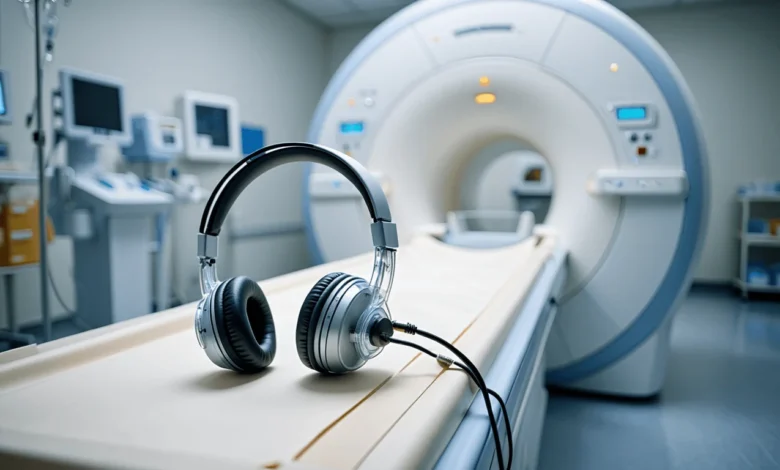
Medical facilities operating MRI departments face a critical equipment decision that can result in significant financial losses, operational disruptions, and potential safety incidents. The distinction between MRI-safe and MRI-compatible headphones represents one of the most commonly misunderstood procurement choices in radiology departments. When purchasing decisions are made without understanding these fundamental differences, hospitals often discover costly mistakes only after equipment failures, delayed procedures, or compliance issues emerge during routine operations.
The financial impact extends beyond the initial equipment cost. Incorrect headphone selection can lead to equipment replacement expenses, procedure cancellations, patient rescheduling costs, and potential regulatory scrutiny. These cascading effects create operational inefficiencies that strain department budgets and compromise patient care delivery schedules.
Understanding MRI Safety Classifications for Audio Equipment
MRI safety classifications for medical equipment follow strict definitions established by the American Society for Testing and Materials. These classifications determine how audio equipment behaves in the powerful magnetic field environment of MRI scanners. The magnetic field strength in modern MRI systems creates conditions that can transform seemingly harmless components into dangerous projectiles or cause equipment malfunctions that compromise both safety and image quality.
Proper hospital headphones must meet specific safety standards that account for the unique electromagnetic environment within MRI suites. The classification system provides clear guidance for equipment selection, but misinterpretation of these categories leads many facilities to purchase inappropriate equipment.
MRI-Safe Equipment Characteristics
MRI-safe headphones contain no ferromagnetic materials and pose no safety risks in any MRI environment. These devices use specialized materials and construction methods that eliminate magnetic attraction and prevent heating or induced currents. The designation means the equipment can safely enter any area of the MRI facility without restriction.
Manufacturing requirements for MRI-safe headphones include non-ferromagnetic drivers, plastic or composite housings, and specialized wiring that prevents radiofrequency interference. The absence of metal components eliminates the risk of projectile incidents, which can cause severe injury to patients and staff while damaging expensive MRI equipment.
MRI-Compatible Equipment Limitations
MRI-compatible headphones may function adequately in MRI environments but require specific testing and conditional approval for each scanner model and field strength. This classification indicates the equipment poses no known hazards under specific, controlled conditions, but those conditions must be verified and maintained for safe operation.
The conditional nature of MRI-compatible equipment creates operational complexity. Facilities must maintain detailed documentation of approved combinations, conduct regular testing to verify continued compatibility, and restrict equipment movement between different MRI systems without proper validation.
Financial Consequences of Incorrect Equipment Selection
Hospitals frequently underestimate the total cost impact of purchasing MRI-compatible headphones instead of MRI-safe alternatives. The initial price difference often appears minimal, but operational costs accumulate through testing requirements, documentation overhead, and potential equipment replacement needs.
Equipment compatibility testing involves technical staff time, external consultant fees, and temporary procedure interruptions. These costs compound when facilities operate multiple MRI systems or upgrade scanner equipment, requiring complete revalidation of all compatible accessories.
Replacement and Compliance Costs
When MRI-compatible headphones fail compatibility testing or cause operational issues, replacement becomes necessary. Emergency procurement typically occurs at premium pricing, and rush delivery fees add additional expense. Meanwhile, procedure delays create revenue losses that exceed the cost of proper initial equipment selection.
Regulatory compliance documentation requires ongoing maintenance and periodic updates. Staff time dedicated to compatibility verification, testing protocols, and record-keeping represents hidden costs that accumulate throughout the equipment lifecycle.
Operational Disruption Impact
Equipment failures during patient procedures create cascading operational problems. Cancelled appointments require rescheduling, which affects patient flow and department efficiency. Staff overtime costs increase when procedures must be completed outside normal schedules to accommodate displaced patients.
Patient satisfaction scores decline when procedures are delayed or cancelled due to equipment issues. Reputation damage affects future patient volume and can influence physician referral patterns, creating long-term revenue implications that far exceed initial equipment savings.
Risk Management Through Proper Equipment Selection
Effective risk management in MRI departments requires understanding how equipment selection affects safety protocols and operational consistency. The FDA’s guidance on MRI safety emphasizes the importance of proper equipment classification and documentation to prevent incidents and ensure patient safety.
Safety incidents involving MRI equipment can result in serious injuries, litigation costs, and regulatory sanctions. Proper headphone selection eliminates projectile risks and reduces the likelihood of equipment-related safety events that compromise patient care and facility reputation.
Staff Training and Protocol Simplification
MRI-safe headphones simplify staff training requirements by eliminating conditional use restrictions. Technologists can focus on patient care and imaging protocols rather than equipment compatibility verification. This simplification reduces training time, minimizes human error potential, and improves overall operational efficiency.
Standardized equipment selection across all MRI systems reduces protocol complexity and eliminates confusion about approved equipment combinations. Staff can confidently use the same headphones regardless of scanner type or field strength, improving workflow consistency and reducing verification time.
Liability and Insurance Considerations
Insurance providers increasingly scrutinize MRI safety protocols and equipment selection procedures when evaluating coverage and claims. Facilities using properly classified MRI-safe equipment demonstrate proactive risk management that can positively influence insurance premiums and claims processing.
Legal liability in MRI incidents often centers on whether facilities followed established safety standards and manufacturer recommendations. Using MRI-safe headphones provides clear documentation of appropriate safety measures and reduces exposure to negligence claims.
Long-Term Operational Benefits of MRI-Safe Selection
Beyond immediate cost savings, MRI-safe headphone selection provides operational advantages that improve department efficiency and patient care quality. These benefits compound over time, creating significant value that justifies the initial equipment investment.
Equipment lifecycle costs favor MRI-safe headphones because they require minimal ongoing validation and documentation. Facilities can deploy the same equipment across multiple scanners and upgrade MRI systems without equipment compatibility concerns.
Standardization and Inventory Management
Single-specification procurement across all MRI systems reduces inventory complexity and purchasing overhead. Maintenance staff can stock common replacement parts, and purchasing departments can negotiate better pricing through volume commitments. Standardization also simplifies equipment tracking and lifecycle management.
Training costs decrease when all staff members use identical equipment regardless of work assignment or scanner type. New employee orientation becomes more efficient, and temporary staff assignments require minimal additional training.
Technology Upgrade Flexibility
MRI-safe headphones provide future-proofing advantages when facilities upgrade scanner technology or add new MRI systems. Equipment compatibility concerns do not constrain technology decisions, and existing headphones can immediately support new installations without testing or validation delays.
This flexibility reduces total cost of ownership for MRI departments and eliminates equipment compatibility as a factor in technology upgrade decisions. Facilities can focus on clinical capabilities and operational efficiency when selecting new MRI systems.
Conclusion
The choice between MRI-safe and MRI-compatible headphones represents a critical decision that affects hospital finances, operational efficiency, and patient safety. While the upfront cost difference may seem insignificant, the long-term financial impact of incorrect selection can reach tens of thousands of dollars through replacement costs, operational disruptions, and compliance overhead.
MRI-safe headphones eliminate compatibility concerns, simplify operations, and provide superior risk management compared to conditional alternatives. For hospital administrators and radiology managers, this equipment selection decision offers a clear opportunity to prevent costly mistakes while improving departmental efficiency and patient care quality.