
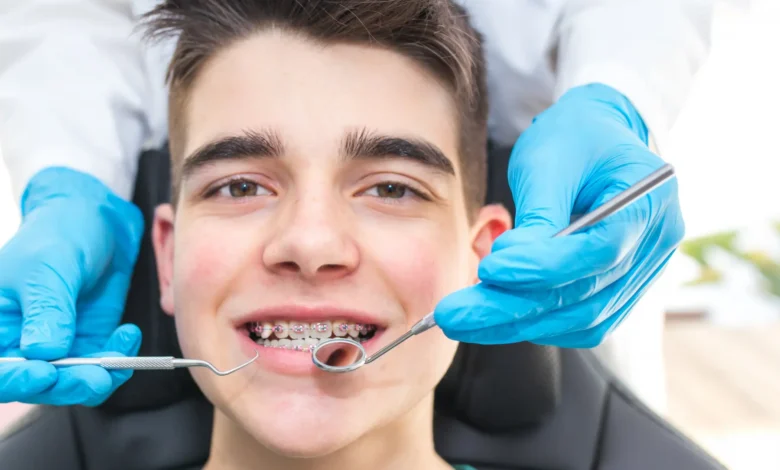
Crooked teeth are not just a cosmetic issue. They can quietly damage your mouth over many years. When teeth crowd or do not meet correctly, you face more plaque, gum infection, and worn enamel. You may also feel jaw pain and headaches. Early orthodontic care helps stop these problems before they grow. It guides teeth into a stable position. It also protects the bone and gums that hold them. You gain a cleaner bite, easier brushing, and calmer chewing. This blog explains how braces and clear aligners in Eastchester and Bronxville support long-term oral health. You will see how treatment lowers your risk of cavities, gum disease, and tooth loss. You will also learn what to expect from an orthodontic visit, how to care for your teeth during treatment, and when to seek help.
Why tooth alignment matters for your health
Teeth that tilt, twist, or crowd trap food. They create tight spaces that your brush and floss cannot reach. Bacteria sit in these spots and form plaque. Over time, plaque hardens into tartar. Your gums then swell and bleed. Your breath can also smell bad. The Centers for Disease Control and Prevention explains that untreated plaque and gum infection lead to bone loss and tooth loss. You can read more at CDC periodontal disease.
When your bite does not fit, your jaw joints and muscles work harder. You may grind your teeth. You may wake with sore jaws or tight neck muscles. Teeth can chip or crack under this force. Small problems in childhood grow into large problems in adulthood. Orthodontic care interrupts that cycle.
Common bite problems orthodontic care can fix
You may see one or more of these signs in yourself or your child.
- Top front teeth that stick out
- Bottom teeth that hide behind top teeth
- Teeth that cross over each other when you bite
- Teeth that do not touch when you close your mouth
- Gaps between teeth
- Teeth that twist or crowd
Each pattern of misalignment puts stress on your teeth and gums. Each one also affects how you chew and speak. Orthodontic treatment brings the teeth and jaws into a more stable position. That stability protects your mouth over your lifetime.
How straighter teeth cut your risk of decay and gum disease
Orthodontic care helps you clean your teeth better. When teeth line up, your brush can touch more surfaces. Your floss can slide between teeth with less resistance. You remove more plaque each day. You also disrupt bacteria before they damage enamel or gums.
The National Institute of Dental and Craniofacial Research notes that plaque and poor cleaning are the top causes of cavities and gum disease. You can read more at NIDCR tooth decay. A straighter smile does not just look different. It behaves differently under your toothbrush.
Orthodontic treatment can also help you close gaps that collect food and reduce deep pockets that form beside tipped teeth. These changes lower the number of risky spots in your mouth.
Braces and aligners: comparing options for families
Both braces and clear aligners move teeth. Each choice has strengths. You can review them side by side.
| Feature | Traditional braces | Clear aligners |
|---|---|---|
| How they look | Metal or tooth colored brackets on teeth | Clear trays that fit over teeth |
| Removable | No. Braces stay on until treatment ends | Yes. You remove them to eat and brush |
| Cleaning routine | More careful brushing around brackets | Normal brushing once trays are out |
| Food limits | Need to avoid sticky and hard foods | Fewer limits. You remove trays to eat |
| Best for | Most mild, moderate, and complex cases | Mild to some moderate alignment problems |
| Checkup visits | Every 4 to 8 weeks for adjustments | Every 6 to 10 weeks to review progress |
Children, teens, and adults can all benefit from either method. The right choice depends on the shape of your bite, your daily routine, and how likely you are to follow instructions. You and your orthodontic team decide together.
Early orthodontic checks for children
Children grow fast. Jaw bones change shape in a short time. That growth window gives a good chance to guide teeth into place. Many experts suggest an orthodontic check by age seven. At that age, some adult teeth are in place, and the orthodontist can see how the bite is forming.
In early visits, treatment may not start right away. The team may watch growth for a time. Then they choose if your child needs early care, later care, or none. Early care can create space for adult teeth, correct crossbites, and support healthy jaw growth. That reduces the need for tooth removal or more complex work later.
What to expect during orthodontic treatment
You can expect three main steps.
- Planning. The orthodontist reviews your health history, takes X-rays, photos, and scans or molds of your teeth. You discuss goals and choose a treatment plan.
- Active movement. Braces or aligners apply gentle pressure. Teeth shift slowly. You see the orthodontist for regular checks and adjustments.
- Retention. After teeth reach their new positions, you wear a retainer. This device holds teeth in place while bone and gums adapt.
Some soreness is common as teeth start to move. It often fades after a few days. Simple pain medicine approved by your dentist and soft foods usually help. If pain feels sharp or lasts, contact the office.
How to care for teeth during treatment
Orthodontic care only protects your mouth if you keep it clean. You can follow three core habits.
- Brush at least twice a day with fluoride toothpaste. Aim for two minutes. Clean along the gumline and around brackets or trays.
- Floss once a day. Use floss threaders, small brushes, or water flossers if regular floss is hard to use.
- Limit sugary drinks and snacks. Sip water often. Choose whole foods that do not stick to teeth.
You also need routine checkups with your general dentist during orthodontic care. That team checks for cavities, cleans away hardened plaque, and spots problems early.
When to seek help
You should contact an orthodontic office if you notice any of these signs.
- Your child struggles to bite or chew
- Teeth meet strangely or shift quickly
- Jaw pain, clicking, or locking
- Frequent mouth breathing or snoring
- Thumb sucking that lasts beyond early childhood
Timely care prevents more serious damage to teeth, gums, and jaw joints. You protect your ability to eat, speak, and smile with confidence. You also reduce the chance of costly dental work later in life.
Orthodontic care is not only about straight teeth. It is about a stable mouth that serves you every day. When you choose to correct alignment now, you give yourself and your family quieter nights, easier meals, and a lower risk of long-term dental problems.