
Understanding ECM Communication Breakdowns: Practical Diagnosis in Modern Diesel and Industrial Engines

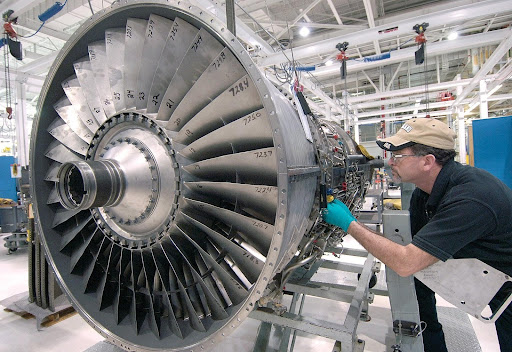
Electronic control has transformed the way engines operate, shifting from purely mechanical systems to highly responsive digital networks. At the center of this evolution is the Engine Control Module (ECM), a unit that constantly processes data and coordinates engine functions in real time. When communication within this system begins to break down, the results can range from minor performance inconsistencies to complete operational failure.
For technicians working with diesel engines, heavy equipment, or industrial machinery, ECM communication issues are among the most challenging problems to diagnose. They often involve multiple systems and can mimic mechanical faults, making a structured approach essential.
How ECM Communication Works in Modern Engines
The ECM acts as a central hub, receiving input from sensors and sending commands to actuators throughout the engine. These signals travel through wiring harnesses and communication networks, allowing different components to work together seamlessly.
In diesel and industrial engines, this network becomes even more complex due to additional systems such as turbocharging, emissions control, and high-pressure fuel injection. Each system depends on accurate and timely communication to function properly.
The Importance of Data Synchronization
Engine performance relies on synchronized data. If one sensor provides inaccurate information or a signal is delayed, the ECM may make incorrect adjustments. Over time, these discrepancies can affect efficiency, power output, and overall reliability.
Common Sources of Communication Failures
ECM communication issues often stem from a combination of electrical faults, environmental conditions, and system complexity. Identifying the root cause requires careful inspection and methodical testing.
Wiring and Harness Damage
Vibration, heat, and exposure to the elements can damage wiring over time. Broken or frayed wires disrupt signal transmission, leading to intermittent or complete communication loss.
Connector Corrosion
Moisture and contaminants can corrode connectors, increasing resistance and weakening signals. This is especially common in outdoor equipment and agricultural machinery.
Sensor and Module Failures
Faulty sensors or auxiliary control modules can send incorrect data or fail to respond altogether. The ECM may interpret these issues as broader system failures.
Voltage Irregularities
Unstable power supply, often caused by weak batteries or faulty alternators, can interrupt communication and create unpredictable behavior across multiple systems.
ECM Issues in Agricultural and Heavy Machinery
Tractors, harvesters, and industrial equipment operate in environments that place additional stress on electronic systems. Dust, moisture, and constant vibration increase the likelihood of communication failures, particularly in older machines or those with extensive operating hours.
For professionals maintaining these systems, understanding the process of diagnosing ECM issues is essential. These problems can halt operations during critical periods, making quick and accurate diagnosis a priority. Addressing communication faults early helps maintain productivity and prevents cascading failures across interconnected systems.
Environmental Challenges
Unlike controlled automotive environments, agricultural machinery is exposed to extreme conditions. Protective measures such as sealed connectors and reinforced wiring are crucial for maintaining reliable communication.
Recognizing the Symptoms of Communication Problems
ECM communication failures often present as a combination of symptoms rather than a single clear issue. Recognizing these patterns can guide technicians toward the underlying cause.
Intermittent Engine Behavior
Engines may run inconsistently, with sudden drops in power or unexpected stalling. These issues often occur when communication is temporarily lost and then restored.
Multiple Warning Indicators
Simultaneous warning lights or error codes across different systems usually point to a communication problem rather than isolated component failures.
Reduced Performance Modes
Many engines enter a protective mode when communication issues are detected, limiting performance to prevent damage.
Diagnostic Strategies That Work
Effective diagnosis of ECM communication issues requires a structured approach that combines technology with practical experience.
Technicians typically begin with diagnostic scanners to retrieve error codes and identify affected systems. From there, they inspect wiring, connectors, and power sources to locate faults. Continuity testing and signal tracing are often necessary to pinpoint intermittent issues.
Beyond technical diagnostics, sourcing reliable components plays a crucial role in long-term performance. Insights from this discussion on selecting quality equipment suppliers highlight how component quality directly impacts system reliability, including electronic communication networks.
The Evolution of Diesel Engine Electronics
Modern diesel engines continue to evolve, integrating advanced electronics to improve efficiency and reduce emissions. These advancements, while beneficial, also increase system complexity.
Developments highlighted in this look at next-generation diesel engine technology demonstrate how manufacturers are pushing the limits of electronic control. As systems become more sophisticated, the need for accurate diagnostics and skilled technicians becomes even more important.
Preventive Measures for Reliable Communication
Preventing ECM communication issues requires consistent maintenance and attention to detail. Small steps can significantly reduce the risk of major failures.
Routine Electrical Inspections
Regularly checking wiring, connectors, and grounding points helps identify wear before it leads to communication breakdowns.
Maintaining Stable Power Systems
Ensuring that batteries and charging systems are functioning properly prevents voltage-related disruptions.
Protecting Against Environmental Damage
Using protective covers, proper routing, and sealed connections reduces exposure to moisture and contaminants.
Conclusion
ECM communication failures represent one of the more complex challenges in modern engine systems. As engines rely increasingly on electronic coordination, even minor disruptions can have significant effects on performance and reliability. Understanding how these systems operate—and how they fail—provides a clear advantage when diagnosing and resolving issues.
By combining careful inspection, structured diagnostics, and preventive maintenance, technicians can maintain reliable communication across engine systems. In demanding environments such as agriculture and industrial operations, this approach is essential for keeping equipment running efficiently and minimizing downtime.