
Engagement Rings and Diamond Selection: A Practical Guide to Quality, Design, and Long-Term Value

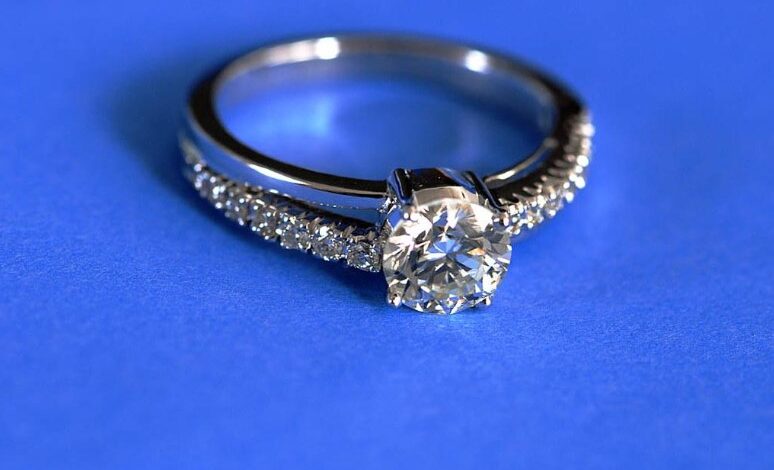
An engagement ring represents a deeply personal milestone, yet it is also a technical object shaped by the principles of gemology and fine jewelry craftsmanship. For many buyers, the process of choosing a ring involves balancing emotional significance with an understanding of diamond quality, setting design, and long-term wearability. Without that foundation, it becomes easy to focus solely on appearance while overlooking the factors that determine durability and value.
A thoughtful approach to engagement ring selection begins with understanding how each component contributes to the final piece. From the way a diamond is cut to how it is secured within the setting, every detail influences both its visual performance and its ability to endure daily wear.
Understanding Diamond Quality in Context
The 4Cs—cut, color, clarity, and carat weight—remain the standard framework for evaluating diamonds. Among these, cut has the most direct impact on how light interacts with the stone. A well-cut diamond reflects light evenly, producing the brilliance and fire that define its appearance.
Color and clarity contribute to the diamond’s visual purity. While higher grades are often associated with greater value, many diamonds within mid-range grades appear nearly identical to the eye. Carat weight influences size, but it should always be considered alongside cut quality to ensure that the diamond maintains its brilliance.
Balancing Technical Quality with Visual Appeal
In practice, selecting a diamond involves finding a balance between measurable quality and perceived beauty. A slightly lower clarity grade, for example, may not affect appearance if inclusions are not visible without magnification. This approach allows buyers to prioritize what truly matters in everyday wear.
Understanding how these factors interact helps create a more informed perspective, reducing the likelihood of overemphasizing a single characteristic at the expense of overall performance.
The Role of Setting Design
The setting of an engagement ring is more than a decorative element; it plays a crucial role in both security and presentation. Prong settings are widely used because they allow maximum light exposure, enhancing the diamond’s brilliance. Bezel settings provide a more protective structure, encasing the diamond in metal for added durability.
Halo and pavé designs introduce additional diamonds, creating a layered effect that amplifies sparkle. These styles require precise craftsmanship to ensure that smaller stones are securely set and evenly aligned. The choice of setting should reflect both aesthetic preference and lifestyle considerations.
Metal Selection and Its Influence
The metal used in an engagement ring affects how the diamond is perceived. Platinum and white gold offer a neutral backdrop that enhances brightness, while yellow and rose gold introduce warmth and contrast. Each metal interacts differently with the diamond’s color, influencing its overall appearance.
Durability is another factor to consider. Platinum is known for its strength and resistance to wear, making it suitable for long-term use. White gold, while more accessible, requires periodic maintenance to maintain its finish. These differences highlight the importance of aligning material choice with both style and practicality.
Craftsmanship and Structural Integrity
The longevity of an engagement ring depends heavily on the quality of its construction. Precision in setting ensures that the diamond remains secure, while the integrity of the band supports daily wear. Subtle details, such as the symmetry of the prongs and the smoothness of the finish, often indicate the level of craftsmanship involved.
Established jewelers emphasize these elements as part of their design standards. Evaluating craftsmanship requires attention to how the ring feels as well as how it looks, as both aspects contribute to its overall performance.
For those navigating these considerations, resources that provide engagement ring buying tips can offer valuable context, particularly when comparing different styles and specifications.
Evolving Design Influences in Modern Jewelry
Engagement ring styles continue to evolve, shaped by broader trends in fashion and design. Contemporary preferences often emphasize versatility, allowing rings to complement both formal and casual settings. This shift reflects a growing interest in jewelry that integrates seamlessly into daily life.
Insights into how these trends influence design can be found in this exploration of jewelry trends, which highlights how changing aesthetics impact the way engagement rings are created and worn.
Exploring Alternative Diamond Styles
Beyond traditional round brilliant cuts, alternative diamond styles have gained attention for their distinctive characteristics. Step cuts, for example, emphasize clarity and symmetry, while pavé settings introduce texture and complexity. These variations allow buyers to select rings that reflect individual preferences.
Design perspectives such as this examination of pavé diamond jewelry illustrate how different approaches to setting and arrangement can influence both style and perception. Understanding these options broadens the range of possibilities when selecting an engagement ring.
Practical Considerations for Daily Wear
An engagement ring is typically worn every day, making comfort and durability essential. The height of the setting, the thickness of the band, and the security of the diamond all contribute to how the ring performs over time. A well-designed ring should feel balanced and secure without interfering with daily activities.
Regular maintenance helps preserve both appearance and structure. Cleaning removes residue that can dull the diamond, while periodic inspections ensure that settings remain secure. These practices extend the life of the ring and maintain its original brilliance.
A Balanced Approach to Selection
Choosing an engagement ring involves more than selecting a design that appeals visually. It requires an understanding of how diamond quality, setting design, and craftsmanship interact to create a cohesive piece. By considering these elements together, buyers can make decisions that reflect both personal style and long-term value.
This approach transforms the process from one of uncertainty into one of informed appreciation, allowing each choice to be guided by knowledge rather than assumption.
Enduring Meaning Through Craft and Knowledge
Engagement rings remain a defining element of fine jewelry because they combine emotional significance with technical precision. Each detail, from the cut of the diamond to the structure of the setting, contributes to a piece that is both meaningful and enduring. Understanding these aspects allows buyers to approach the selection process with clarity and confidence.
With careful consideration and an appreciation for craftsmanship, an engagement ring becomes more than a symbol—it becomes a lasting reflection of thoughtful design and enduring commitment.