
7 Critical Pneumatic Cylinder Seal Kit Failures That Cost US Manufacturers $2.3 Million Annually

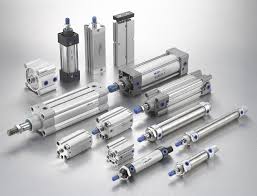
Manufacturing operations across the United States lose an estimated $2.3 million each year due to preventable pneumatic cylinder seal failures. These losses stem from unplanned downtime, emergency repairs, product quality issues, and safety incidents that could have been avoided through better understanding of seal system vulnerabilities.
Pneumatic cylinders form the backbone of automated production lines, packaging systems, material handling equipment, and assembly processes. When their sealing systems fail unexpectedly, the ripple effects extend far beyond the immediate repair costs. Production schedules shift, quality control processes break down, and maintenance teams scramble to restore operations while management calculates the mounting financial impact.
The pattern of seal failures follows predictable paths, yet many facilities continue to experience the same recurring problems. Understanding these failure modes and their underlying causes provides the foundation for more reliable operations and reduced maintenance costs.
Common Seal Degradation Patterns in Industrial Applications
Seal degradation typically begins long before visible failure occurs, following predictable patterns that reflect operating conditions and maintenance practices. A quality pneumatic cylinder seal kit contains multiple sealing elements designed to work together, but degradation rarely affects all components equally.
Primary seals handle the main pressure differential across the cylinder, while secondary seals prevent external contamination and retain lubrication. When primary seals begin to wear, they often compensate by allowing slight leakage that increases system pressure on secondary components. This creates a cascade effect where initial wear accelerates failure across the entire sealing system.
Progressive Wear Characteristics
The progression of seal wear follows distinct stages that maintenance teams can identify through regular monitoring. Early-stage wear appears as minor surface scratches or slight compression set in elastomeric components. These changes remain functionally insignificant but indicate the beginning of material breakdown.
Mid-stage degradation shows more pronounced surface damage, including visible scoring, cracking, or permanent deformation. At this stage, sealing performance begins to decline measurably, though the cylinder may continue operating within acceptable parameters.
Late-stage failure presents obvious damage such as torn seal lips, complete compression loss, or separation of bonded components. By this point, the cylinder requires immediate attention to prevent secondary damage to the rod, bore, or surrounding equipment.
Contamination-Related Seal Failures
Contamination represents the single largest cause of premature seal failure in industrial pneumatic systems. Airborne particles, moisture, chemical vapors, and process byproducts find their way into cylinder assemblies through various pathways, creating abrasive conditions that accelerate wear and compromise sealing effectiveness.
Manufacturing environments naturally generate contamination through normal operations. Metal cutting produces fine particles, chemical processes release vapors, and material handling creates dust clouds. Even seemingly clean assembly areas contain contamination levels that can damage sensitive sealing components over extended periods.
Particle Contamination Effects
Solid particles create abrasive conditions between sealing surfaces, acting like microscopic grinding compounds that wear away elastomeric materials. Hard particles such as metal chips, ceramic dust, or crystalline materials cause the most severe damage, creating gouges and tears that provide leak paths.
Soft particles like fabric fibers, plastic shavings, or organic matter may seem less threatening but can accumulate in seal grooves and create pressure points that lead to extrusion or splitting. These materials also trap moisture and chemicals, creating localized chemical attack on seal materials.
Moisture and Chemical Contamination
Water contamination affects pneumatic seals through multiple mechanisms. Moisture promotes corrosion of metal components, creates freeze-thaw cycling in unheated environments, and supports microbial growth that can degrade certain seal materials. Water also acts as a carrier for dissolved chemicals and salts that may be incompatible with seal compounds.
Chemical contamination often occurs gradually as process vapors permeate seal materials or cleaning solvents contact sealing surfaces during maintenance. Even small concentrations of incompatible chemicals can cause swelling, hardening, or cracking that leads to seal failure.
Temperature-Induced Seal System Breakdown
Temperature extremes create some of the most challenging conditions for pneumatic cylinder seals, particularly in applications where thermal cycling occurs regularly. Most industrial seal materials perform reliably within moderate temperature ranges but experience accelerated aging and reduced flexibility at temperature extremes.
High temperatures accelerate chemical reactions within seal compounds, leading to hardening, cracking, and loss of elasticity. Low temperatures reduce flexibility and can cause brittle fracture under normal operating loads. The combination of temperature cycling and mechanical stress creates particularly demanding conditions that test the limits of seal material capabilities.
Heat-Related Degradation Mechanisms
Excessive heat breaks down the molecular structure of elastomeric seals through oxidation and cross-linking reactions. These changes typically appear first as surface hardening and cracking, particularly at stress concentration points such as seal lips and corners.
Heat also affects the dimensional stability of seals, causing expansion that can lead to interference with mating surfaces or compression that reduces sealing force. In extreme cases, heat can cause chemical breakdown that releases gases or creates sticky residues that interfere with cylinder operation.
Cold Temperature Challenges
Low temperatures reduce the flexibility of elastomeric seals, making them susceptible to cracking under normal compression and extension cycles. Cold seals may also experience temporary hardening that reduces their ability to conform to surface irregularities, creating leak paths.
Rapid temperature changes create additional stress through differential thermal expansion between seal materials and metal components. This thermal cycling can cause fatigue cracking that propagates over multiple cycles until complete failure occurs.
Pressure-Related Failure Modes
Pneumatic systems operate under pressure differentials that place continuous stress on sealing components. While seals are designed to handle specific pressure ranges, operating conditions often exceed design parameters or create pressure spikes that can cause immediate or progressive damage.
Pressure failures typically manifest as extrusion, where seal material is forced into clearance gaps, or as compression set, where seals lose their ability to maintain contact force against sealing surfaces. Both conditions reduce sealing effectiveness and can lead to catastrophic failure if left uncorrected.
Extrusion Damage Patterns
Extrusion occurs when system pressure forces soft seal material into the clearance gap between cylinder components. This creates a weak point where the extruded material experiences high stress concentration and eventual tearing. Once extrusion begins, it typically progresses rapidly as the damaged seal provides less resistance to further deformation.
Backup rings and groove design help prevent extrusion, but worn components or excessive clearances can overwhelm these protective measures. Extrusion damage often appears as nibbled or torn edges on seal components, particularly at high-pressure areas.
Compression Set and Relaxation
Continuous compression gradually reduces the recovery capability of elastomeric seals, leading to permanent deformation known as compression set. Seals with significant compression set cannot maintain adequate contact pressure against sealing surfaces, allowing leakage to develop gradually.
This condition often goes unnoticed until leakage becomes obvious, by which time significant damage may have occurred to other system components. Regular inspection for signs of permanent seal deformation helps identify this condition before complete failure occurs.
Installation and Handling Damage
Many seal failures originate during installation or maintenance procedures, when improper handling techniques damage sealing components before they enter service. According to the National Institute of Standards and Technology, installation-related damage accounts for a significant portion of premature seal failures in industrial applications.
Installation damage often appears as cuts, scratches, or twisted seals that create immediate leak paths or stress concentrations that lead to early failure. These problems are entirely preventable through proper procedures and tooling, yet they continue to occur due to time pressure, inadequate training, or lack of appropriate installation equipment.
Cutting and Scoring Damage
Sharp edges on cylinder components, contamination in seal grooves, or improper installation tools can cut or score seal surfaces during assembly. Even minor surface damage can provide a starting point for crack propagation under cyclic loading.
Protective installation tools, careful component preparation, and systematic installation procedures eliminate most cutting damage. However, time pressure during maintenance often leads to shortcuts that result in seal damage and shortened service life.
Twisting and Pinching
Twisted or pinched seals experience uneven stress distribution that accelerates wear and reduces sealing effectiveness. This type of damage typically occurs when seals are forced into position without proper alignment or when assembly procedures do not account for seal positioning requirements.
Twisted seals may function initially but develop leakage as stress concentrations cause localized failure. Proper installation techniques and adequate workspace prevent most twisting and pinching problems.
Material Compatibility Issues
Seal material selection must account for all substances the seals will contact during operation, including process fluids, cleaning agents, lubricants, and atmospheric contaminants. Incompatible materials can cause rapid seal degradation through chemical attack, swelling, or embrittlement.
Material compatibility problems often develop gradually, making them difficult to identify until significant damage has occurred. Chemical attack may appear as surface softening, swelling, cracking, or complete dissolution of seal materials.
Chemical Attack Mechanisms
Chemical incompatibility affects seals through various mechanisms depending on the specific materials involved. Solvents may cause swelling or softening, acids can break down polymer chains, and oxidizers may cause hardening or cracking.
Even mild chemical attack can compromise seal performance by changing material properties or dimensions. Regular monitoring of seal condition helps identify chemical compatibility problems before they cause complete failure.
Environmental Stress Cracking
Some materials develop stress cracks when exposed to specific chemicals under load, even when the chemicals are nominally compatible. This environmental stress cracking can occur with very low concentrations of certain substances and may not be apparent without specific testing.
Proper material selection requires understanding not only the primary operating environment but also cleaning procedures, maintenance chemicals, and potential contamination sources that seals may encounter during service.
Dynamic Motion and Friction Effects
Pneumatic cylinders subject their seals to repeated compression, extension, and sliding motion that creates friction and mechanical wear. The dynamic nature of these systems places unique demands on sealing components that differ significantly from static applications.
Friction between seals and cylinder surfaces generates heat, creates wear particles, and can lead to stick-slip behavior that affects system performance. Proper lubrication and surface finish help minimize these effects, but dynamic wear remains an inherent challenge in pneumatic cylinder applications.
Stick-Slip Phenomena
Stick-slip behavior occurs when static friction exceeds kinetic friction, causing jerky motion that creates impact loading on sealing components. This condition is particularly problematic at low velocities where the difference between static and kinetic friction is most pronounced.
Repeated impact loading from stick-slip motion can cause fatigue cracking in seal materials, particularly at stress concentration points. Surface treatments and lubrication help reduce stick-slip tendencies, but some applications require specific seal designs to handle these conditions.
Abrasive Wear Progression
Normal sliding contact between seals and cylinder surfaces creates gradual wear that eventually requires seal replacement. The rate of this wear depends on surface finish, lubrication, contamination levels, and operating parameters such as velocity and pressure.
Accelerated abrasive wear often indicates problems with contamination, inadequate lubrication, or excessive surface roughness. Monitoring wear patterns helps identify these underlying issues before they cause secondary damage to expensive cylinder components.
Conclusion
The seven critical failure modes outlined above represent the most common and costly seal problems affecting US manufacturing operations. Understanding these failure patterns enables maintenance teams to implement targeted prevention strategies, improve component selection, and develop more effective monitoring procedures.
Successful seal failure prevention requires a systematic approach that addresses contamination control, proper material selection, installation procedures, and operating parameter management. While complete elimination of seal failures may not be achievable, significant reductions in both frequency and severity are attainable through focused attention to these critical areas.
The $2.3 million annual cost of seal failures represents an opportunity for improvement that extends beyond simple cost reduction. More reliable sealing systems contribute to improved product quality, enhanced safety, and reduced environmental impact while supporting the operational consistency that modern manufacturing demands.