
Industrial steam systems represent the backbone of countless manufacturing operations across the United States, from petrochemical refineries to food processing plants. When these systems fail, the financial impact extends far beyond simple repair costs. According to recent industry analysis, steam system failures cost American companies approximately $2.3 billion in 2026, encompassing production losses, emergency repairs, regulatory fines, and extended downtime.
The complexity of modern industrial steam systems creates multiple points of vulnerability. Each component, from boilers and condensate return lines to steam traps and pressure vessels, operates within tight tolerances that demand consistent monitoring and maintenance. A single component failure can cascade through an entire system, shutting down production lines and compromising product quality.
Understanding the most common failure patterns helps facility managers and operations teams recognize early warning signs and implement preventive measures. The following seven failure types represent the majority of costly steam system incidents documented across American industrial facilities in 2026.
Steam Trap Failures Leading to Energy Loss and Water Hammer
Steam trap failures account for the largest category of steam system problems, responsible for approximately $800 million in losses during 2026. These critical components remove condensate from steam lines while preventing live steam from escaping. When traps fail, they either remain open and waste energy through steam blow-through, or they close completely and cause condensate backup.
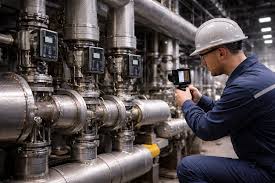
Professional steam system monitoring services track trap performance through thermal imaging, acoustic testing, and condensate flow measurement. Failed steam traps create immediate energy waste, with a single large trap failure potentially costing thousands of dollars monthly in lost steam.
Open Trap Failures and Energy Waste
When steam traps stick in the open position, they discharge live steam directly to the condensate return system. This failure mode wastes fuel costs while reducing system pressure and compromising heating performance. Large industrial facilities often operate hundreds of steam traps, making systematic monitoring essential for identifying failures before they accumulate significant energy losses.
The financial impact multiplies quickly because steam represents processed energy. Every pound of steam blown through a failed trap requires additional fuel input at the boiler, creating ongoing operational costs that continue until the trap receives repair or replacement.
Closed Trap Failures and Water Hammer Damage
Steam traps that fail in the closed position create condensate backup throughout steam distribution lines. This standing water creates water hammer conditions when steam flow resumes, generating pressure spikes that damage piping, valves, and connected equipment.
Water hammer events can rupture steam lines or damage sensitive process equipment. The sudden pressure changes also create safety hazards for personnel working near affected systems, leading to potential injury claims and regulatory scrutiny.
Boiler Tube Failures from Poor Water Quality Control
Boiler tube failures caused approximately $420 million in damages during 2026, primarily resulting from inadequate water treatment and monitoring programs. Steam boilers concentrate dissolved solids and corrosive compounds, creating conditions that attack tube metal through various mechanisms including pitting corrosion, caustic gouging, and hydrogen damage.
Most boiler tube failures develop over months or years through gradual deterioration processes. However, the actual failure event typically occurs without warning, causing immediate shutdown and requiring emergency repairs that often take weeks to complete.
Scale Formation and Heat Transfer Problems
Mineral scale buildup on boiler tube surfaces reduces heat transfer efficiency while creating hot spots that weaken tube metal. Scale formation accelerates when feedwater treatment systems fail to maintain proper chemical balances or when makeup water quality changes unexpectedly.
The insulating effect of scale forces boiler operators to increase firing rates to maintain steam output, raising fuel costs while accelerating tube degradation. Eventually, overheated tubes develop stress cracks that propagate into complete failures requiring extensive boiler repairs.
Corrosion-Related Tube Damage
Corrosion attacks boiler tubes through multiple pathways, including oxygen pitting during startup periods, caustic corrosion from excessive alkalinity, and acid attack from contaminated condensate return. Each corrosion mechanism creates different damage patterns, but all ultimately result in tube wall thinning and eventual rupture.
Modern water treatment programs include corrosion inhibitors and oxygen scavengers, but these systems require constant monitoring and adjustment. Automatic chemical feed systems can malfunction, and condensate contamination from process leaks can overwhelm treatment programs rapidly.
Condensate System Failures and Process Contamination
Condensate system problems accounted for $380 million in industrial losses during 2026. These failures often receive less attention than boiler or steam distribution issues, but condensate system integrity directly affects both energy efficiency and product quality in process applications.
Condensate represents valuable recovered energy that reduces boiler fuel consumption when returned to the feedwater system. Loss of condensate recovery forces boilers to heat additional makeup water while disposing of hot condensate as waste.
Condensate Pump Failures and System Flooding
Condensate pump failures create immediate operational problems by allowing condensate to flood low points in steam systems. Flooded steam lines lose heating capacity while creating water hammer conditions that damage piping and equipment.
Backup condensate pumps provide redundancy, but many facilities operate with minimal spare capacity. When primary pumps fail during peak steam demand periods, backup systems often cannot handle full condensate loads, leading to system flooding and emergency shutdowns.
Heat Exchanger Contamination Through Condensate Leaks
Process contamination through condensate system leaks creates product quality problems that extend far beyond steam system repair costs. When heat exchanger tubes develop leaks, process fluids enter the condensate system and eventually reach other process equipment through the interconnected piping network.
Food processing and pharmaceutical facilities face particularly severe consequences from condensate contamination, often requiring complete product batch disposal and extensive cleaning procedures. The FDA maintains strict guidelines for food processing facility cleanliness that make condensate contamination incidents extremely costly.
Pressure Vessel and Piping Stress Failures
Mechanical stress failures in steam system pressure vessels and piping resulted in $310 million in damages during 2026. These failures often stem from thermal expansion and contraction cycles that gradually weaken metal components over time.
Steam systems experience significant temperature swings during startup and shutdown cycles. Piping expands and contracts with temperature changes, creating stress at fixed anchor points and pipe supports. Over time, this cyclic stress leads to fatigue cracking and eventual component failure.
Thermal Expansion Joint Failures
Expansion joints accommodate pipe movement during temperature changes, but these components have limited service lives and require regular inspection and replacement. Failed expansion joints create stress concentrations that can crack adjacent piping or damage connected equipment.
Many facilities operate expansion joints beyond their recommended service intervals due to maintenance budget constraints or inadequate inspection programs. The resulting failures often occur during startup periods when thermal stresses peak, causing immediate production delays.
Steam Header Cracking from Support Problems
Large steam distribution headers require proper support spacing to handle both dead weight loads and thermal expansion forces. Inadequate support systems create stress concentrations that develop into fatigue cracks over repeated heating and cooling cycles.
Header failures typically occur at welded connections or pipe fittings where stress concentrations naturally develop. These failures can release large quantities of steam rapidly, creating immediate safety hazards and requiring emergency system shutdowns.
Control System and Instrumentation Failures
Steam system control and instrumentation failures caused approximately $270 million in losses during 2026. Modern industrial steam systems rely heavily on automated controls for pressure regulation, temperature control, and safety system operation.
Control system failures often create cascading effects throughout steam systems because automated systems typically fail in predetermined positions that may not match actual operating requirements. A pressure regulator that fails closed can starve downstream equipment of steam, while a regulator that fails open can overpressure connected systems.
Pressure Regulator and Control Valve Problems
Pressure regulators maintain consistent steam pressure to process equipment regardless of upstream pressure variations. When these devices fail, downstream equipment receives either insufficient steam pressure or dangerous overpressure conditions.
Control valve failures often result from inadequate maintenance of air supply systems that provide pneumatic operating power. Contaminated instrument air or moisture in control lines can cause valve actuators to malfunction, leading to incorrect valve positioning and process upsets.
Safety System and Alarm Failures
Steam system safety devices include pressure relief valves, low water cutoffs, and emergency shutdown systems that protect against dangerous operating conditions. When safety systems fail, normal operating problems can escalate into major incidents involving equipment damage or personnel injury.
Regular testing of safety systems requires temporary system shutdowns that many facilities postpone due to production pressures. However, safety device failures during actual emergency conditions often result in far more extensive damage than would occur from planned testing outages.
Feedwater System and Chemical Treatment Failures
Feedwater system problems contributed $190 million to industrial steam system losses in 2026. These systems prepare makeup water for boiler use and recover condensate from steam systems, requiring careful coordination between multiple treatment processes.
Feedwater quality directly affects boiler operation and steam system performance. Poor feedwater treatment leads to scale formation, corrosion problems, and contamination issues that propagate throughout connected steam systems.
Water Treatment Equipment Malfunctions
Ion exchange systems, reverse osmosis units, and chemical feed equipment require regular maintenance and monitoring to maintain proper operation. When treatment equipment fails, untreated water enters boiler systems and begins causing immediate damage through scale formation and corrosion.
Backup treatment capacity helps maintain operations during equipment maintenance, but many facilities operate with minimal redundancy due to space and cost constraints. Extended treatment system outages force operations to use emergency water sources that often exceed boiler water quality specifications.
Chemical Feed System Interruptions
Automated chemical feed systems maintain proper water chemistry by adding corrosion inhibitors, oxygen scavengers, and pH adjustment chemicals. Feed pump failures or chemical supply interruptions quickly upset water chemistry balances that took time to establish.
Chemical feed system failures often go unnoticed until water chemistry testing reveals problems, allowing several hours or days of improper treatment. This delayed detection means damage processes begin before operators can take corrective action.
Insulation and Heat Loss Problems
Steam system insulation failures accounted for $130 million in energy losses during 2026. While insulation problems rarely cause dramatic system failures, they create ongoing energy waste that accumulates substantial costs over time.
Damaged or missing insulation increases fuel consumption while creating hot surface hazards for personnel. Steam line temperatures often exceed safe touch limits, making proper insulation essential for workplace safety compliance.
Mechanical Damage and Weather Exposure
Industrial environments subject steam line insulation to mechanical damage from maintenance activities, vehicle traffic, and normal facility operations. Outdoor steam lines face additional challenges from weather exposure that degrades insulation materials over time.
Damaged insulation sections create hot spots that accelerate adjacent insulation degradation while increasing heat loss rates significantly. Small damaged areas often expand rapidly unless repaired promptly after initial damage occurs.
Moisture Infiltration and Insulation Degradation
Moisture infiltration through damaged insulation jacketing causes rapid degradation of underlying insulation materials. Wet insulation loses thermal resistance while promoting corrosion of covered piping systems.
Moisture problems often remain hidden beneath intact jacketing until insulation replacement projects reveal extensive damage. This delayed detection allows corrosion problems to develop that require pipe replacement along with insulation work.
Conclusion
The $2.3 billion in steam system failure costs documented across American industrial facilities in 2026 demonstrates the critical importance of comprehensive system monitoring and preventive maintenance programs. Each failure category presents distinct warning signs and preventive measures, but all share common themes of gradual degradation processes that accelerate when left unaddressed.
Successful steam system management requires systematic monitoring of all major components, from boiler water chemistry and steam trap performance to condensate system integrity and control system operation. Early detection of developing problems allows planned maintenance interventions that prevent costly emergency failures and extended production outages.
The interconnected nature of steam systems means that problems in one area often cascade to affect other components. This systematic vulnerability makes comprehensive monitoring programs more cost-effective than reactive maintenance approaches that address individual component failures without considering broader system impacts.
Facility managers who implement proactive steam system management programs consistently report lower overall maintenance costs, improved energy efficiency, and reduced unplanned downtime compared to facilities that rely on reactive maintenance strategies. The investment in monitoring and preventive maintenance typically pays for itself through avoided failure costs within the first year of implementation.