
Smart Mastering vs Mixing: The Complete Guide That’s Confusing 90% of US Home Studio Owners

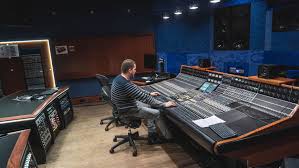
Home studio owners across the United States consistently misunderstand the fundamental differences between mixing and mastering, leading to compromised audio quality and wasted production time. This confusion stems from the overlapping nature of both processes and the widespread availability of automated tools that blur traditional boundaries. The distinction matters because each process serves different purposes in audio production, requires different skill sets, and impacts the final product’s commercial viability in distinctly different ways.
The operational implications extend beyond simple workflow concerns. When studio owners attempt to handle both processes without understanding their unique requirements, they often create bottlenecks that affect project timelines and client satisfaction. The rise of digital audio workstations and accessible mastering tools has democratized music production, but it has also created unrealistic expectations about what individual producers can accomplish effectively within their home studio environments.
Understanding the Core Functions of Audio Mixing
Audio mixing represents the creative and technical process of combining multiple recorded tracks into a cohesive stereo or surround sound format. The mixer works with individual elements—vocals, instruments, and effects—adjusting their relative levels, spatial positioning, and tonal characteristics to create a balanced musical arrangement. This process requires intimate knowledge of the song’s artistic intent and the ability to make hundreds of small decisions that collectively determine how listeners experience the music.
Modern mixing involves extensive use of equalization, compression, reverb, and other processing tools to shape each element within the overall sonic picture. The mixer must consider how each instrument occupies frequency space, ensuring that important elements remain audible while maintaining musical coherence. This work often requires multiple revision cycles as artists and producers refine their vision for the final product.
Smart mastering represents the evolution of traditional mastering practices, incorporating automated analysis and processing algorithms alongside human expertise. A comprehensive Smart Mastering guide reveals how these systems analyze mixed audio files and apply corrective measures based on established industry standards and acoustic principles. The approach combines the consistency of algorithmic processing with the musical judgment required for commercially viable results.
The Creative Decision-Making Process in Mixing
Mixing decisions directly impact the emotional and artistic impact of recorded music. The mixer determines which elements dominate specific sections, how instruments interact spatially, and where listeners focus their attention throughout the song. These choices require understanding musical arrangement principles and the psychological effects of different sonic treatments on listener perception.
The creative process involves constant evaluation and adjustment as mixers balance competing priorities. A prominent vocal might require reducing other elements, while maintaining the energy of a guitar solo could necessitate carefully managing frequency conflicts. Experienced mixers develop intuitive understanding of these trade-offs through years of practice and critical listening.
Technical Requirements for Effective Mixing
Successful mixing requires accurate monitoring systems and acoustically treated rooms to ensure reliable decision-making. Home studio owners often underestimate the impact of room acoustics on mixing results, leading to translations problems when their mixes play on different systems. The monitoring environment must provide honest representation of frequency balance and spatial relationships.
Digital audio workstations provide powerful mixing capabilities, but they require significant technical knowledge to use effectively. Understanding signal flow, plugin architecture, and processing order becomes crucial for achieving professional results. Many home studio owners struggle with these technical aspects while simultaneously trying to make creative mixing decisions.
Mastering as the Final Production Stage
Mastering functions as the final creative and technical step in music production, preparing mixed audio for distribution across various playback systems and formats. The mastering engineer works with stereo mixes, applying broad-stroke processing to enhance overall impact, ensure technical compliance, and create consistency across albums or releases. This process requires different skills and perspectives compared to mixing individual song elements.
The mastering process addresses issues that become apparent only when viewing the complete musical work. Engineers evaluate tonal balance across entire frequency spectrum, manage dynamic range for different distribution formats, and ensure that technical specifications meet industry standards. The work requires fresh ears and objective perspective that artists and mixers often cannot provide after intensive creative sessions.
Quality Control and Technical Compliance
Mastering engineers serve as the final quality control checkpoint before music reaches consumers. They identify and correct technical problems that might cause playback issues, ensure appropriate loudness levels for different streaming platforms, and verify that audio files meet distribution requirements. This technical oversight prevents costly problems during manufacturing or digital distribution.
According to the Audio Engineering Society, mastering standards have evolved significantly with the introduction of streaming platforms and their specific loudness requirements. Engineers must now balance artistic intent with technical compliance across multiple delivery formats, each with distinct specifications for dynamic range and peak levels.
The Objective Perspective Advantage
Mastering engineers bring fresh perspective to projects after artists and mixers have spent extensive time developing individual songs. This objectivity allows them to identify issues that others might overlook and make decisions based purely on what serves the music best. The psychological distance from the creative process enables more effective evaluation of overall sonic impact.
Professional mastering engineers also possess specialized monitoring systems and acoustically optimized rooms designed specifically for making final production decisions. These environments provide accurate representation of how mastered audio will translate across various consumer playback systems, from high-end stereos to smartphone speakers.
Why Home Studio Owners Struggle with Both Processes
Home studio owners face unique challenges when attempting to handle both mixing and mastering responsibilities within their production workflows. The skill sets required for each process differ significantly, and developing competency in both areas requires substantial time investment and specialized knowledge. Most home studios also lack the acoustic treatment and monitoring equipment necessary for making reliable mastering decisions.
The psychological challenge of maintaining objectivity throughout both processes creates additional complications. After spending weeks mixing individual songs, artists and producers often cannot provide the fresh perspective necessary for effective mastering evaluation. This limitation affects their ability to identify problems and make appropriate corrections during the final production stage.
Equipment and Environment Limitations
Effective mastering requires different monitoring capabilities compared to mixing, with emphasis on accurate full-range frequency response and precise imaging. Many home studios optimize their setups for mixing workflows, using near-field monitors and acoustic treatments that serve mixing purposes but may not provide the accuracy needed for mastering decisions.
The room acoustics suitable for mixing do not always translate effectively to mastering applications. Mastering engineers typically work in larger spaces with extended frequency response and carefully controlled reverberation characteristics. Home studio owners rarely have access to multiple rooms or the ability to reconfigure their spaces for different production stages.
Time Management and Workflow Conflicts
Attempting to handle both mixing and mastering creates workflow inefficiencies that impact project timelines and quality outcomes. The transition between creative mixing decisions and objective mastering evaluation requires mental adjustment that many producers cannot achieve effectively within compressed production schedules.
Professional production workflows typically include waiting periods between mixing completion and mastering initiation, allowing for perspective reset and critical evaluation. Home studio owners working on personal projects or tight deadlines often cannot implement these beneficial practices, leading to compromised results in both areas.
Making Informed Decisions for Your Production Workflow
Successful home studio operations require realistic assessment of capabilities and strategic decisions about which processes to handle internally versus outsourcing to specialists. Understanding the distinct requirements and skill sets for mixing and mastering enables better resource allocation and improved final product quality. The decision ultimately depends on project goals, available resources, and desired quality standards.
Many successful home studio owners focus their efforts on developing strong mixing capabilities while partnering with professional mastering engineers for final production stages. This approach allows them to maintain creative control during the mixing process while ensuring that technical and objective mastering requirements receive appropriate attention from qualified specialists.
Evaluating Your Current Capabilities
Honest evaluation of existing skills and equipment helps determine the most effective approach for specific projects and long-term studio development. Consider the quality of previous mixing work, available monitoring systems, and acoustic treatment effectiveness when making these assessments. Most home studio owners benefit more from concentrating on one area rather than attempting to master both simultaneously.
The learning curve for professional-level mastering extends far beyond basic technical knowledge, requiring development of critical listening skills and understanding of various distribution format requirements. These capabilities develop through extensive practice and exposure to diverse musical styles and production approaches.
Building Effective Production Partnerships
Establishing relationships with qualified mastering engineers provides access to specialized expertise and equipment while allowing home studio owners to focus on their creative strengths. These partnerships often result in better final products and more efficient production workflows compared to attempting to handle all processes internally.
Successful collaboration requires clear communication about artistic goals and technical requirements. Providing mastering engineers with detailed information about intended distribution formats, target audience, and creative vision enables them to make more effective decisions during the final production stage.
Conclusion
The distinction between mixing and mastering represents more than technical workflow considerations—it reflects fundamental differences in creative approach, required skills, and production objectives. Home studio owners achieve better results by understanding these differences and making strategic decisions about which processes align with their capabilities and resources. Smart mastering technologies continue to evolve, but they cannot replace the critical listening skills and objective perspective that define effective audio production.
Success in home studio operations comes from recognizing that both mixing and mastering serve essential but distinct roles in music production. Rather than attempting to excel in both areas simultaneously, focus on developing strong capabilities in one area while establishing professional relationships for the other. This approach leads to more consistent results, efficient workflows, and ultimately better music that connects effectively with listeners across various playback systems and distribution formats.