
Wind noise remains one of the most persistent challenges facing video professionals across corporate communications, documentary production, and broadcast journalism. When outdoor shoots encounter unexpected weather conditions or indoor HVAC systems create unwanted air movement, the resulting audio degradation can compromise entire productions. Modern wireless microphone systems have improved dramatically in signal clarity and transmission reliability, yet wind interference continues to affect lavalier setups more than any other audio capture method.
The operational impact extends beyond simple audio quality concerns. Re-recording sessions, post-production noise reduction, and client revisions create cascading delays that affect project timelines and budget allocations. Production teams working with tight schedules cannot afford to discover wind noise issues during post-production review, when correction options become limited and expensive. Understanding practical wind mitigation approaches helps maintain consistent audio standards regardless of environmental conditions.
Professional video teams have identified eight reliable methods for controlling wind interference, each tested across diverse shooting environments from corporate headquarters to outdoor interview locations. These solutions address different wind conditions, microphone placements, and production requirements that video professionals encounter regularly.
Physical Wind Protection Systems
Physical barriers represent the most direct approach to wind noise control, creating dead air spaces around sensitive microphone elements. A lapel microphone foam cover provides the primary defense against light air movement and breath sounds, while more substantial wind protection requires layered barrier systems. Professional Lapel Microphone Foam Cover guide resources detail how foam density and coverage patterns affect different wind conditions and microphone sensitivities.
Foam covers work by disrupting airflow before it reaches the microphone capsule, converting wind energy into harmless turbulence within the foam structure. The effectiveness depends on foam cell size, material density, and overall coverage area. Standard foam covers handle indoor air conditioning drafts and light outdoor breezes effectively, but moderate wind conditions require additional protection layers.
Windscreen Material Selection
Different foam compositions provide varying levels of wind protection while maintaining frequency response characteristics. Open-cell foams allow sound transmission while blocking air movement, but material thickness affects both wind protection and audio clarity. Denser foams offer superior wind blocking but can attenuate high-frequency content, requiring audio engineers to adjust recording levels and equalization settings.
Professional windscreens often combine multiple foam densities, using outer layers for primary wind blocking and inner layers for fine airflow control. This layered approach maintains audio transparency while providing robust wind protection across various environmental conditions.
Coverage Area Considerations
Effective wind protection requires complete coverage around the microphone element, including areas where clothing movement might create air turbulence. Partial coverage leaves gaps where wind can reach the capsule directly, creating inconsistent protection that varies with subject movement and wind direction changes.
Larger coverage areas provide better wind protection but increase visibility in video applications where microphone concealment matters. Production teams balance wind protection needs against visual requirements, often using custom-fitted covers that provide necessary protection while minimizing on-screen appearance.
Strategic Microphone Placement
Microphone positioning significantly influences wind exposure, with placement decisions affecting both audio quality and wind susceptibility. Traditional chest-level mounting exposes lavalier microphones to maximum wind impact, while alternative positioning can reduce wind exposure without compromising audio capture quality.
Clothing interactions create additional wind noise sources as fabric movement generates air turbulence around the microphone. Understanding how different placement locations interact with typical clothing materials helps video professionals choose mounting positions that minimize both wind and handling noise.
Protected Placement Zones
Certain body locations provide natural wind protection through clothing design and body geometry. Inside jacket lapels, shirt plackets, and tie areas create partially enclosed spaces where wind impact is reduced. These locations require careful audio testing to ensure speech clarity remains acceptable while gaining wind protection benefits.
Subject movement patterns affect placement effectiveness, as walking, gesturing, and posture changes alter the wind exposure characteristics of different mounting locations. Successful placement considers both static and dynamic conditions throughout the expected shooting sequence.
Clothing Selection Coordination
Fabric choices directly impact wind noise generation, with synthetic materials typically creating more handling noise than natural fibers. Smooth fabrics reduce air turbulence compared to textured materials, while looser-fitting clothing provides more space for microphone mounting without creating pressure against the capsule.
Production teams increasingly coordinate clothing selections with audio requirements, selecting garments that support microphone placement while minimizing wind and handling noise generation. This collaborative approach between wardrobe and audio departments improves overall production efficiency.
Environmental Wind Management
Controlling the shooting environment provides another layer of wind noise prevention, particularly in semi-controlled locations where some environmental modification is possible. Indoor locations with problematic HVAC systems, outdoor areas with predictable wind patterns, and partially enclosed spaces all offer opportunities for environmental wind management.
Production scheduling considerations include wind pattern awareness, with many outdoor shoots planned around daily wind cycles and weather forecasting. According to the National Weather Service, understanding local wind patterns helps production teams select optimal shooting times and locations for audio-sensitive work.
Location Selection Criteria
Site surveys should include wind assessment alongside traditional location scouting activities. Natural windbreaks, building orientations, and seasonal wind pattern changes all influence location suitability for audio recording. Backup location options provide flexibility when primary locations experience unexpected wind conditions.
Indoor locations require HVAC system evaluation, as heating and cooling systems can create significant air movement that affects microphone performance. Temporary HVAC adjustments during recording sessions often provide dramatic improvements in audio quality.
Temporary Wind Barriers
Portable wind barriers extend environmental control options to outdoor locations, using reflectors, flags, or dedicated wind blocks to create protected recording areas. These solutions require additional crew and equipment but provide reliable wind control for critical audio sequences.
Barrier placement requires understanding wind direction and intensity patterns, with effective barriers positioned to create dead air spaces around subjects without interfering with camera angles or lighting setups.
Recording Level Optimization
Proper gain staging reduces wind noise impact by maintaining optimal signal-to-noise ratios and preventing wind-induced overload conditions. Wind noise typically appears in low-frequency ranges where excessive recording levels can cause distortion that becomes impossible to correct in post-production.
Digital recording systems provide headroom advantages over analog systems, allowing for conservative level setting that accommodates wind noise spikes without clipping. Understanding the dynamic range characteristics of wind noise helps audio engineers set appropriate recording levels.
Dynamic Range Considerations
Wind noise creates sudden level increases that can overwhelm recording systems set for optimal speech levels. Conservative gain settings provide headroom for wind spikes while maintaining adequate speech levels for clear recording. Digital systems with wide dynamic ranges support this approach better than systems with limited headroom.
Automatic gain control systems can help manage wind-induced level variations, but aggressive AGC settings may create pumping effects that sound unnatural. Manual level control provides more predictable results when wind conditions are variable.
Frequency Response Management
High-pass filtering during recording can reduce low-frequency wind noise while preserving speech intelligibility. Most wind noise occurs below speech fundamental frequencies, making filtering an effective real-time solution. However, overly aggressive filtering can thin vocal quality, requiring careful balance between wind reduction and natural speech reproduction.
Some wireless microphone systems include built-in high-pass filtering options specifically designed for wind noise reduction. These systems provide optimized filter characteristics that target wind noise frequencies while maintaining speech quality.
Backup Audio Strategies
Redundant recording approaches provide insurance against wind noise problems, using multiple microphone types and positions to ensure usable audio capture regardless of wind conditions. Professional productions increasingly employ backup audio strategies that include both lavalier and directional microphone systems.
Backup strategies require additional equipment and crew coordination but provide essential protection for irreplaceable recording situations such as live events, remote interviews, and documentary work where re-recording is impossible.
Multi-Microphone Approaches
Combining lavalier microphones with boom microphones or handheld units provides options during post-production editing. Different microphone types respond differently to wind conditions, with directional microphones often less susceptible to wind noise when properly positioned.
Synchronization between multiple audio sources requires careful attention to timing and phase relationships, but modern editing systems handle multi-source audio efficiently when properly recorded.
Real-Time Monitoring Systems
Continuous audio monitoring during recording allows immediate response to wind noise problems, enabling equipment adjustments, position changes, or technique modifications before problems become severe. Professional monitoring systems with good low-frequency response help identify wind noise issues that might not be apparent through standard headphones.
Remote monitoring capabilities allow audio engineers to assess wind noise impact from locations away from the immediate recording area, providing better objective evaluation of audio quality.
Post-Production Integration
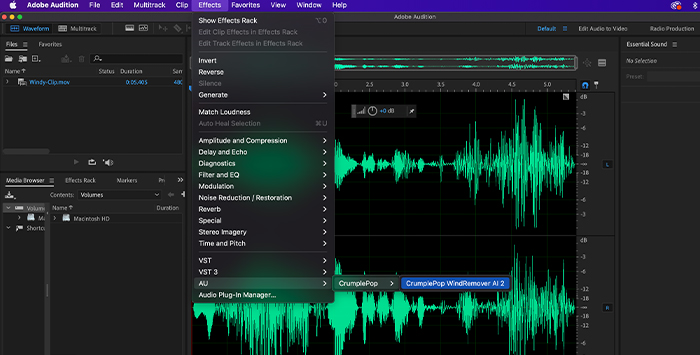
Post-production wind noise reduction works most effectively when combined with proper recording techniques rather than serving as a primary solution. Modern noise reduction software provides impressive results, but prevention during recording produces superior audio quality with less processing time and computational resources.
Understanding post-production capabilities helps production teams make informed decisions about acceptable wind noise levels during recording, balancing shooting efficiency against post-production workload.
Processing Workflow Considerations
Wind noise reduction processing works best when audio files contain minimal other noise sources, as complex noise environments can confuse automatic detection algorithms. Clean recording environments support more effective post-production processing.
Batch processing capabilities allow efficient handling of multiple audio files with similar wind noise characteristics, but individual file optimization provides better results for critical audio segments.
Equipment Integration Solutions
Modern wireless microphone systems include wind noise reduction features that provide real-time processing capabilities. These systems combine hardware-based filtering with digital signal processing to reduce wind noise while maintaining speech clarity.
Integration between microphone systems, recording equipment, and monitoring tools creates comprehensive wind noise management workflows that address problems at multiple stages in the recording chain.
System Compatibility Requirements
Wind noise reduction features vary significantly between manufacturer systems, with some providing automatic operation while others require manual adjustment. Understanding system capabilities helps production teams select equipment combinations that work effectively together.
Compatibility extends to post-production workflows, where some recording formats provide better support for noise reduction processing than others.
Professional Implementation Standards
Consistent wind noise management requires standardized approaches across production teams and projects. Professional standards help ensure reliable results regardless of crew changes or equipment variations, supporting consistent audio quality across multiple productions.
Training and documentation support standard implementation, providing clear guidelines for equipment setup, placement techniques, and problem resolution procedures that all team members can follow effectively.
Quality Control Protocols
Regular testing and calibration of wind protection systems ensures continued effectiveness over time, as foam covers degrade with use and equipment settings may drift from optimal configurations.
Documentation of successful techniques and problematic conditions builds institutional knowledge that improves future production planning and execution.
Conclusion
Effective wind noise control requires a systematic approach that combines proper equipment selection, strategic placement techniques, and environmental awareness. The eight solutions tested by video professionals demonstrate that consistent results come from understanding the relationship between wind conditions, microphone characteristics, and recording environment factors. Physical wind protection remains the foundation of effective wind noise control, but comprehensive solutions integrate multiple approaches including placement optimization, environmental management, and backup recording strategies.
Professional video production demands reliable audio quality regardless of environmental challenges. Wind noise control techniques provide the operational consistency necessary for maintaining production schedules and client satisfaction. Implementation of these proven solutions helps video professionals achieve dependable audio capture across diverse shooting conditions, supporting both creative goals and business requirements in an increasingly demanding production environment.