
Powder Metal vs Traditional Machining: The Complete Cost Analysis for ISO 9001 Certified Parts

Manufacturing decision-makers face increasing pressure to balance cost efficiency with quality assurance, particularly when producing components that require ISO 9001 certification. The choice between powder metallurgy and traditional machining methods extends far beyond initial tooling costs, affecting everything from material waste and production scalability to quality consistency and long-term operational reliability. Understanding these manufacturing approaches becomes critical when procurement teams evaluate suppliers and production methods that can deliver certified parts while maintaining predictable cost structures.
The complexity of this decision intensifies when considering that both manufacturing methods can achieve ISO 9001 standards, yet each presents distinct cost implications across different production scenarios. Traditional machining offers immediate familiarity and flexibility, while powder metallurgy promises material efficiency and design capabilities that conventional methods cannot match. The real challenge lies in understanding how these differences translate into actual operational costs and quality outcomes over extended production runs.
Understanding Manufacturing Method Fundamentals and Quality Standards
Powder metallurgy creates components by compressing metal powders into specific shapes and then sintering them at temperatures below their melting points. This process fundamentally differs from traditional machining, which removes material from solid metal stock to achieve final dimensions. When manufacturers seek powder metal parts iso 9001 certification, they must demonstrate consistent process control throughout powder handling, compaction, and sintering operations.
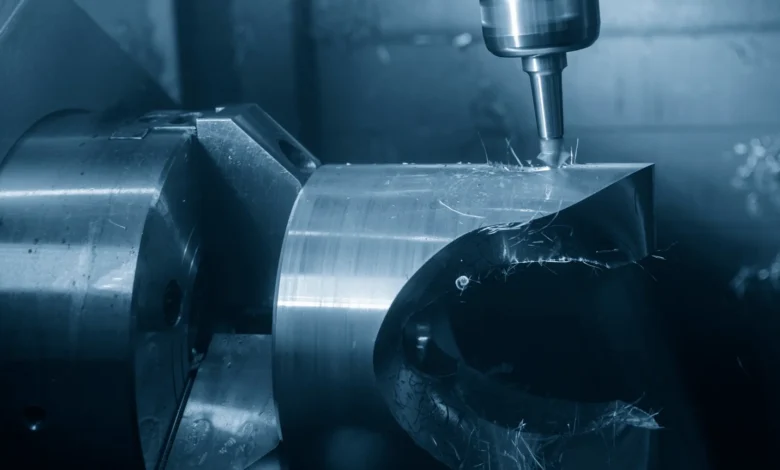
Traditional machining relies on cutting tools to remove material from bar stock, forgings, or castings. The subtractive nature of machining provides immediate dimensional feedback and allows for real-time adjustments during production. Quality control in machined parts typically focuses on dimensional accuracy, surface finish, and material properties that remain consistent with the original stock material.
Both methods can achieve ISO 9001 certification requirements, but the path to compliance differs significantly. Powder metallurgy requires documented control over powder characteristics, compaction pressures, and sintering atmospheres. Traditional machining focuses on tool wear monitoring, cutting parameter consistency, and material traceability from stock to finished part.
Process Control Requirements for Certification
ISO 9001 certification demands documented quality management systems that ensure consistent output regardless of manufacturing method. Powder metallurgy operations must validate powder chemistry, particle size distribution, and moisture content before processing. The sintering process requires atmosphere control and temperature uniformity documentation that extends beyond simple temperature recording.
Traditional machining quality systems typically emphasize tool condition monitoring, cutting fluid management, and workpiece positioning repeatability. The established nature of machining processes means that many quality control procedures already exist within industry standards, making initial certification potentially more straightforward.
Material Consistency and Traceability
Powder metal processes create unique challenges for material traceability since the final part properties result from powder blending, compaction density, and sintering parameters rather than inherited stock properties. This complexity requires comprehensive documentation systems that track material transformation throughout the manufacturing sequence.
Machined parts maintain direct traceability to original material certificates, simplifying the documentation burden for ISO 9001 compliance. The material properties of machined components generally reflect the characteristics of the starting stock, with modifications limited to stress relief from machining operations.
Direct Cost Analysis Across Production Volumes
Production volume significantly influences the relative cost advantage of each manufacturing method. Powder metallurgy requires substantial upfront investment in tooling and press equipment, but offers lower per-piece costs once production reaches sufficient volumes. Traditional machining presents lower initial setup costs but higher variable costs due to material waste and longer cycle times.
The break-even point between methods typically occurs when production volumes justify the tooling investment required for powder metallurgy. Lower volume applications often favor machining due to reduced setup requirements and the ability to produce parts without dedicated tooling. Higher volume production runs benefit from powder metallurgy’s material efficiency and shorter cycle times once tooling is established.
Material Utilization and Waste Considerations
Powder metallurgy achieves material utilization rates that approach theoretical maximums since the process uses only the powder required for the final part geometry. Excess powder can be recycled back into the process with minimal quality impact, creating a closed-loop material system that reduces waste disposal costs.
Traditional machining generates chips and waste material that typically represent significant portions of the original stock. While these materials can be recycled, the process requires collection, cleaning, and remelting operations that reduce the recovered material value compared to direct reuse of powder metallurgy materials.
The material cost differential becomes particularly significant when working with expensive alloys or when waste disposal costs are substantial. Industries requiring exotic materials or operating under strict environmental regulations often find powder metallurgy’s material efficiency compelling despite higher initial tooling investments.
Labor and Equipment Utilization
Powder metallurgy operations typically require less direct labor per part once production begins, as the compaction and sintering processes can be largely automated. However, these operations demand skilled technicians for setup, maintenance, and quality control activities that require specialized knowledge of powder handling and sintering processes.
Traditional machining offers more flexibility in labor utilization since skilled machinists can work across different part types and geometries without extensive retooling. This flexibility provides operational advantages when production schedules change or when multiple part types share common equipment resources.
Quality Consistency and Long-Term Reliability Factors
Quality consistency differs fundamentally between powder metallurgy and traditional machining due to the nature of each process. Powder metal parts achieve their final properties through carefully controlled sintering operations that create uniform microstructures throughout the component. This uniformity can provide excellent consistency once process parameters are established and maintained.
Traditional machining produces parts with properties that closely match the original stock material, providing predictable mechanical characteristics based on well-understood material specifications. The machining process itself typically does not alter base material properties significantly, though work hardening and residual stress effects may influence performance in critical applications.
According to the International Organization for Standardization, quality management systems must demonstrate capability to consistently provide products that meet customer and regulatory requirements. Both manufacturing methods can achieve this standard, but through different approaches to process control and validation.
Dimensional Accuracy and Repeatability
Powder metallurgy can achieve impressive dimensional consistency once tooling and process parameters are optimized. The compaction process creates parts that require minimal secondary operations for many applications, reducing the accumulated tolerance stack-up that can occur with multiple machining operations.
Traditional machining offers superior dimensional accuracy for critical features and can achieve tighter tolerances through established cutting and measurement techniques. The ability to measure and adjust during machining operations provides immediate feedback that can correct dimensional variations before parts are completed.
Surface Finish and Functional Requirements
Surface finish requirements often influence manufacturing method selection since each process produces characteristic surface textures. Powder metallurgy typically creates surfaces with controlled porosity that can be beneficial for applications requiring oil retention or specific friction characteristics.
Machined surfaces provide predictable finish characteristics that can be precisely controlled through cutting parameters and tool selection. Applications requiring specific surface roughness or appearance characteristics often benefit from the surface control available through traditional machining operations.
Secondary Operations and Total Processing Costs
The complete cost analysis must consider secondary operations required to achieve final part specifications. Powder metal components may require sizing operations, machining of critical dimensions, or infiltration processes to achieve desired properties. These additional steps affect both cost and quality considerations in the overall manufacturing sequence.
Traditional machining may require multiple setups and operations to achieve complex geometries that powder metallurgy can produce in single pressing operations. The cumulative effect of multiple operations includes increased handling, inspection requirements, and potential for accumulated errors that can affect final part quality.
Heat Treatment and Property Enhancement
Heat treatment requirements differ between manufacturing methods and can significantly impact total processing costs. Powder metal parts may require specific heat treatment cycles to achieve desired mechanical properties, while machined parts typically inherit their properties from the starting material condition.
The timing of heat treatment operations within the manufacturing sequence affects distortion control and dimensional stability. Parts requiring critical dimensions may need additional operations to correct distortion caused by thermal processing, regardless of the initial manufacturing method.
Finishing and Coating Compatibility
Surface preparation requirements for finishing operations can favor one manufacturing method over another depending on the specific coating or treatment required. Powder metal parts with controlled porosity may require special preparation for coatings that must provide complete surface coverage.
Machined surfaces generally provide predictable substrate conditions for coating operations, though the surface texture may need modification depending on coating adhesion requirements. The cost of surface preparation should be included in the total manufacturing cost analysis for accurate comparison.
Production Flexibility and Market Responsiveness
Manufacturing flexibility becomes crucial when market demands change or when product designs evolve. Traditional machining offers significant advantages in prototyping and low-volume production since tooling requirements are minimal and changes can be implemented quickly through programming modifications.
Powder metallurgy requires dedicated tooling for each part geometry, creating barriers to design changes and limiting flexibility for small production runs. However, once tooling is established, powder metallurgy can provide rapid production rates and consistent quality that may better serve stable, high-volume applications.
Design Change Accommodation
Engineering changes during product development or production can create significant cost implications depending on manufacturing method. Machining operations can often accommodate design modifications through programming changes without substantial tooling investments.
Powder metallurgy design changes typically require tooling modifications or complete tool replacement, creating higher barriers to design evolution. This limitation must be weighed against the long-term cost advantages that powder metallurgy may provide for stable designs with predictable production volumes.
Supply Chain and Lead Time Considerations
Supply chain reliability affects manufacturing method selection since each approach has different material and tooling requirements. Traditional machining relies on readily available stock materials and standard cutting tools, providing supply chain flexibility and shorter lead times for material procurement.
Powder metallurgy requires specialized powders and pressing equipment that may have longer lead times and fewer supplier options. The specialized nature of powder metallurgy operations may also limit geographic flexibility in supplier selection compared to the widespread availability of machining capabilities.
Conclusion
The decision between powder metallurgy and traditional machining for ISO 9001 certified parts requires careful analysis of production volumes, quality requirements, and long-term operational goals. Powder metallurgy offers compelling advantages in material utilization and production efficiency for stable, high-volume applications, while traditional machining provides flexibility and lower entry barriers for diverse or evolving product requirements.
Cost analysis must extend beyond initial part prices to include secondary operations, quality control requirements, and the total cost of achieving ISO 9001 compliance. Both manufacturing methods can deliver certified parts that meet stringent quality standards, but the path to certification and ongoing compliance costs differ significantly between approaches.
Manufacturing decision-makers should evaluate their specific requirements against the capabilities and limitations of each method, considering not only current needs but also anticipated changes in production volumes, design requirements, and market conditions. The most effective approach often involves understanding when each method provides optimal value rather than selecting a single manufacturing philosophy for all applications.