
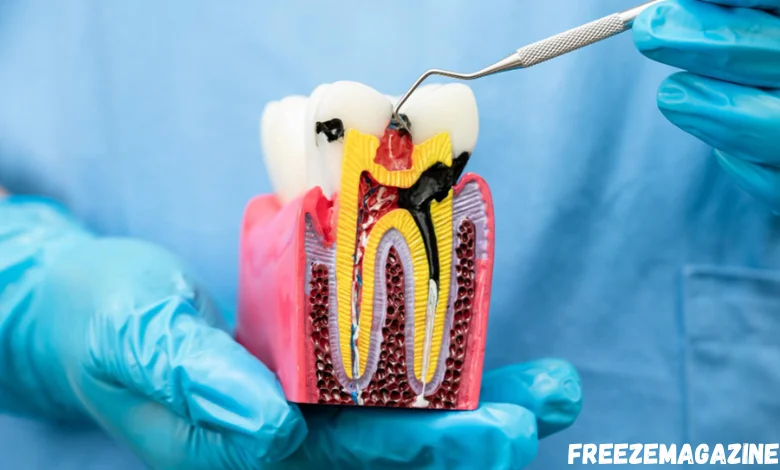
Root canal therapy often presents itself as a cost-effective alternative to tooth extraction and replacement, but the true financial picture extends far beyond the initial treatment quote. Many patients discover that what appears to be an economical dental solution transforms into a multi-stage financial commitment spanning months or even years. The complexity of endodontic treatment, combined with varying provider practices and insurance limitations, creates a cost structure that frequently exceeds initial expectations.
Understanding these additional expenses becomes critical for patients making informed healthcare decisions. The gap between advertised treatment costs and actual out-of-pocket expenses continues to widen as dental practices adapt their billing structures and insurance companies refine their coverage policies. This reality affects not only individual treatment decisions but also broader healthcare budgeting for families and businesses managing employee dental benefits.
Pre-Treatment Diagnostic Requirements Drive Up Initial Costs
Modern root canal therapy demands comprehensive diagnostic work that extends well beyond a simple clinical examination. The Affordable Care Dental Services Root Canal Therapy overview reflects how diagnostic imaging, bacterial cultures, and specialized testing have become standard prerequisites for treatment planning. These diagnostic procedures, while medically necessary, represent separate billing events that accumulate before any therapeutic intervention begins.
Digital radiography requirements have expanded to include multiple imaging angles and specialized cone beam computed tomography scans for complex cases. Each imaging session carries individual fees, and insurance coverage for advanced imaging often falls under separate annual limits from general dental benefits. The cumulative effect creates an initial financial burden that can reach several hundred dollars before the primary treatment begins.
Specialist Referral Fees Compound Diagnostic Expenses
Endodontic specialists frequently require their own comprehensive examination and imaging series, regardless of previous diagnostic work completed by general dentists. This duplication stems from liability concerns and varying diagnostic standards between providers. Patients often encounter separate consultation fees, repeat imaging costs, and additional testing requirements when transitioning from general dentistry to specialized endodontic care.
The financial impact intensifies when specialists recommend treatment modifications based on their independent assessment. These changes can invalidate previous treatment estimates and require additional insurance pre-authorization processes, creating both cost increases and treatment delays.
Multi-Visit Treatment Protocols Multiply Base Costs
Contemporary endodontic treatment frequently requires multiple appointments spread across several weeks or months, with each visit generating separate professional fees. The shift away from single-visit root canal therapy reflects improved clinical outcomes but creates a payment structure that accumulates charges throughout the treatment timeline. Patients discover that affordable care dental services root canal therapy estimates typically reflect only the primary treatment phase, excluding multiple follow-up appointments and interim procedures.
Treatment complexity often emerges during the procedure itself, requiring additional visits for complications such as calcified canals, curved root structures, or accessory canal systems. Each additional appointment generates professional fees, facility charges, and potential material costs that extend beyond original treatment estimates.
Interim Restoration Requirements Between Appointments
Multi-visit treatment protocols necessitate temporary restorations between appointments to protect the tooth structure and maintain patient comfort. These interim procedures require separate billing for materials, placement time, and follow-up adjustments. Temporary crown fabrication, composite buildups, and protective sealants each represent individual cost centers that accumulate throughout the treatment sequence.
Temporary restoration failures between appointments create additional emergency visit charges and replacement costs. These unplanned expenses often fall outside insurance coverage limits and require immediate out-of-pocket payment to maintain treatment continuity.
Post-Treatment Restoration Costs Exceed Root Canal Expenses
Successful root canal therapy creates structural changes in tooth composition that require permanent restoration to ensure long-term functionality. The endodontic treatment removes vital tissue and creates access points that compromise the tooth’s natural strength and integrity. These changes mandate crown placement or extensive filling procedures that often cost more than the original root canal treatment.
Crown fabrication involves separate professional fees for preparation, impression procedures, temporary crown placement, and final restoration delivery. Laboratory costs, premium material selections, and multiple fitting appointments generate expenses that frequently double the total treatment investment. Insurance coverage for crowns often operates under different annual limits and approval criteria than endodontic procedures, creating additional out-of-pocket costs.
Core Buildup and Foundation Procedures
Teeth requiring root canal therapy often present with extensive structural damage that demands foundation work before crown placement. Core buildups, post placement, and structural reinforcement procedures represent separate treatment phases with individual billing requirements. These foundation procedures become medically necessary when insufficient tooth structure remains to support crown retention.
The cumulative cost of foundation work can approach or exceed the original endodontic treatment expense. Insurance classification of these procedures as restorative rather than endodontic treatment can result in different coverage percentages and annual limit applications, increasing patient financial responsibility.
Insurance Coverage Limitations Create Unexpected Gaps
Dental insurance policies typically establish separate annual maximum limits for endodontic procedures, restorative work, and diagnostic services. This segmented approach can create coverage gaps when comprehensive root canal treatment spans multiple benefit categories. Patients may exhaust endodontic benefits during the initial treatment phase, leaving crown and restoration costs subject to reduced coverage percentages or complete exclusion until the following benefit year.
Pre-existing condition clauses and waiting period requirements can eliminate coverage entirely for patients with new insurance policies. According to the American Dental Association, major dental procedures often require 6-12 month waiting periods before insurance benefits activate, forcing patients to pay full costs for time-sensitive endodontic treatment.
Network Provider Limitations Restrict Treatment Options
Insurance networks may not include qualified endodontic specialists in certain geographic areas, requiring patients to choose between out-of-network treatment with higher costs or delayed care while seeking network providers. Out-of-network treatment typically results in significantly higher patient responsibility percentages and may not count toward annual maximum limits.
Network changes during treatment can disrupt coverage continuity, requiring patients to switch providers mid-treatment or accept full financial responsibility for treatment completion. These disruptions often occur without adequate notification, creating unexpected financial obligations for ongoing care.
Failed Treatment Scenarios Generate Duplicate Costs
Root canal therapy success rates, while generally high, leave room for treatment failure requiring retreatment or alternative procedures. Failed endodontic treatment creates scenarios where patients incur costs for both the original unsuccessful procedure and subsequent corrective treatment. Insurance policies may limit coverage for retreatment, classifying repeat procedures as complications rather than new treatment events.
Retreatment often requires more complex procedures, specialist referral, and advanced techniques that exceed the cost of initial therapy. The financial impact compounds when retreatment fails and extraction with implant placement becomes the only viable option, creating costs that far exceed conservative estimates for affordable care dental services root canal therapy.
Surgical Endodontic Procedures
When conventional root canal therapy proves insufficient, surgical endodontic procedures such as apicoectomy may become necessary to preserve the tooth. These surgical interventions require specialist referral, facility fees, and extended recovery periods with associated medications and follow-up care. Surgical procedures typically generate higher professional fees and may require separate anesthesia services.
The cumulative cost of conventional treatment followed by surgical intervention often exceeds the expense of immediate extraction and implant placement, creating financial scenarios where conservative treatment becomes the more expensive option.
Emergency Complications Require Immediate Intervention
Endodontic complications can develop rapidly between scheduled appointments, requiring emergency dental visits and immediate intervention procedures. Severe pain, swelling, or infection may necessitate emergency care outside regular office hours, generating premium fees for urgent treatment and prescription medications.
Emergency complications often require immediate problem resolution regardless of insurance pre-authorization status, forcing patients to pay out-of-pocket for urgent care. After-hours emergency fees, prescription antibiotics, and pain management medications create unplanned expenses that accumulate quickly during acute episodes.
Systemic Infection Management
Serious endodontic infections may require coordination with medical physicians for systemic antibiotic therapy, hospitalization, or intravenous medication administration. These medical interventions operate under separate insurance policies with different coverage limits, deductibles, and provider networks. The crossover between dental and medical treatment creates billing complexity and potential coverage gaps.
Patients may discover that serious complications from affordable care dental services root canal therapy generate medical expenses that dwarf the original dental treatment costs, particularly when emergency room visits or specialist medical consultations become necessary.
Long-Term Maintenance and Monitoring Expenses
Successful root canal therapy requires ongoing monitoring through periodic examinations and radiographic imaging to ensure continued healing and function. These follow-up appointments extend for years after initial treatment completion and generate cumulative costs that patients rarely consider during initial treatment planning. Long-term monitoring becomes particularly important given that endodontic treatment outcomes may not become apparent for several years.
Annual or bi-annual radiographic monitoring, periodic clinical examinations, and potential retreatment needs create ongoing financial obligations that extend the true cost of endodontic therapy far beyond the initial treatment period. Insurance coverage for routine monitoring may be limited or excluded entirely after the primary treatment benefit period expires.
Crown Replacement and Restoration Maintenance
Crowns placed following root canal therapy typically require replacement every 10-15 years due to normal wear, material degradation, or changes in oral health status. Crown replacement involves the same extensive procedures and costs as initial crown placement, creating predictable future expenses that form part of the total lifetime cost of endodontic treatment.
The cyclical nature of crown replacement means that affordable care dental services root canal therapy represents an ongoing financial commitment rather than a one-time expense. Patients must budget for periodic major dental expenses throughout their lifetime to maintain the results of successful endodontic treatment.
Conclusion
The true cost of root canal therapy extends far beyond initial treatment estimates, encompassing diagnostic requirements, multi-visit protocols, permanent restoration needs, insurance limitations, potential complications, and long-term maintenance obligations. These hidden expenses can double or triple the anticipated investment in endodontic care, transforming what appears to be an affordable treatment option into a significant long-term financial commitment.
Patients benefit from comprehensive cost discussions that address the full scope of potential expenses before beginning treatment. Understanding these hidden costs enables informed decision-making and appropriate financial planning for both immediate treatment needs and long-term maintenance requirements. The goal is not to discourage necessary dental care but to provide realistic expectations that support better treatment decisions and financial preparedness.
Successful endodontic treatment can provide decades of functional service when properly maintained, but the financial commitment extends well beyond the initial procedure. Patients who understand and plan for these comprehensive costs are better positioned to complete treatment successfully and maintain optimal oral health outcomes over time.