
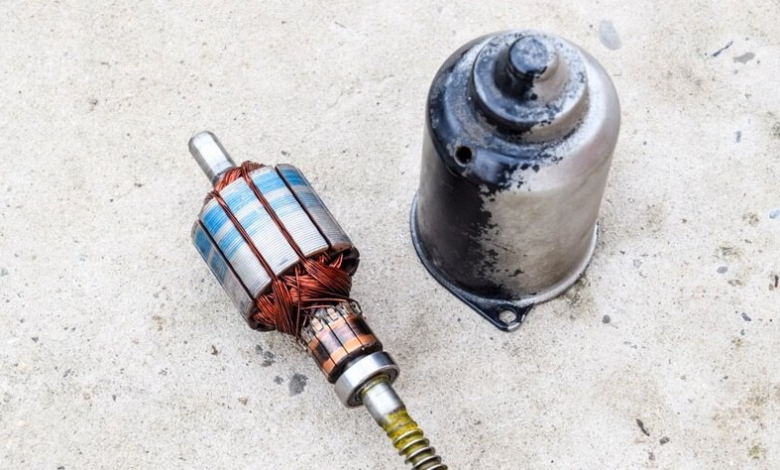
For off-road machinery operators, clear visibility equals safety. When heavy rain, mud, or dust is reducing the sight line, your wiper motor is no longer only a convenience, but becomes a kind of safety asset. Recognizing the early warning signs of malfunction can help to avoid expensive downtime and possible hazards. This article will make a deep discussion about the reasons that cause wiper motor problems, how these problems can be identified, and how to maintain this important component within your off-road equipment fleet.
What Causes Windscreen Wiper Motor Problems?
Off-road environments are brutal on mechanical and electrical components. The wiper motor, responsible for transforming electrical energy into motion, often faces heavy stress from vibration, debris, and moisture. Unlike standard road vehicles, construction and agricultural machinery operate in conditions that magnify wear. The most common causes include:
- Continuous exposure to dust and mud clogs the motor’s housing and internal gears.
- Corrosion due to water or condensation seeping into connection points.
- High operational demand—heavy-duty wipers run longer cycles, especially in rain or snow.
- Electrical surges or poor connections can create unstable power delivery.
- Frozen wiping surfaces, forcing the motor to overexert and eventually burn out.
8 Common Wiper Motor Problems
Below are eight of the most frequent symptoms you’ll encounter. Catching these early can help you restore reliability before it’s too late.
1. Sluggish or Delayed Wiper Motion
If your blades sweep slower than usual, the wiper motor might be losing torque due to worn brushes or a failing commutator. Off-road loaders and excavators often work under constant vibration, which speeds up internal wear. A delay in response or uneven sweeping speed warrants immediate inspection.
2. Wipers Move Only at a Single Speed
Most heavy equipment offers variable-speed control to match environmental conditions. When you switch settings but the wipers move at one pace, the speed-regulating circuit may have failed inside the motor. It’s an early sign of weakening performance before total breakdown.
3. Wipers Park in the Wrong Position
Wipers that stop mid-window instead of resting at the base are not just inconvenient—they’re a hazard. This indicates either a damaged parking circuit or bent internal linkages. If your loaders or graders show this habit, replacement is likely unavoidable.
4. Complete Wiper Failure
When you flip the switch and nothing moves, begin with simple checks: fuses, relays, and wiring. If power is confirmed but there’s silence, the wiper motor may have fully failed. Off-road vibration often dislodges ground connectors; however, if the motor hums but doesn’t move, internal gears may have seized.
5. Intermittent or Erratic Operation
Sudden stops or jerky motion usually signal internal short circuits or partially damaged wiring harnesses. Intermittent operation compromises safety in muddy terrain where visibility can change within seconds. It’s best not to wait for total failure.
6. Unusual Noises: Grinding, Humming, or Buzzing
Motor noise is never normal. A continuous hum usually means power is reaching the motor, but mechanical parts can’t rotate freely—often due to debris or a worn bearing. A grinding noise, on the other hand, points to internal gear damage that calls for replacement rather than repair.
7. Burning Smell or Overheating
During long winter or muddy operations, frozen wipers can cause the motor to overheat. The insulation may burn, producing a noticeable smell. Once you detect this, shut down the system immediately to prevent electrical fire or damage to adjacent circuits.
8. Reduced Responsiveness During Heavy Use
Heavy-duty equipment often faces long shifts in poor weather. Overloaded motors lose efficiency over time. When multiple machines in your fleet show sluggish wiper performance simultaneously, consider upgrading to a new, OEM-quality unit designed for extended usage.
At this point, if you observe two or more of these signs, it’s safer to consider replacement. Mid-quality repairs often don’t survive harsh construction conditions. For off-road professionals, reliability is everything.
To find durable replacement options suited for excavators, loaders, and utility machines, you can explore the wiper motor section—FridayParts offers a range of heavy-duty models built for rugged environments with verified compatibility across multiple brands.
How to Maintain a Wiper Motor
Maintenance extends life and saves downtime. Here are practical steps we use in the field to keep the wiper motor reliable:
- Keep it clean. After working in dusty or wet environments, spray the wiper base and motor housing with low-pressure air or water. Ensure moisture dries before reconnecting power.
- Inspect electrical connectors regularly. Loose or corroded terminals reduce the voltage supply and cause inconsistent motion.
- Avoid using wipers on dry or icy surfaces. This extra resistance strains the motor armature.
- Lubricate pivot points. Every 200 operation hours, remove the linkages and lightly grease joints to reduce friction.
- Check fuses and relays. Electrical stability prevents unexpected shutdowns.
- Replace damaged seals or boots. Water intrusion is the number one killer of off-road wiper motors.
| Maintenance Task | Recommended Interval | Expected Benefit |
| Electrical inspection | Monthly | Prevents power fluctuation |
| Cleaning motor housing | After heavy dust exposure | Avoids overheating and clogging |
| Lubricating linkages | Every 200 hours | Improves smoothness |
| Replacing wiper blades | Every 6 months | Reduces drag and stress |
| Checking mount bolts | Every oil change | Minimizes vibration damage |
Keeping up with these checks ensures your motor performs consistently. Remember, it’s cheaper to maintain than to replace.
Conclusion
A failing wiper motor not only blocks your field of view — it also makes productivity stop on its tracks. Reliable wiper systems make sure that operators are able to work in a safe and efficient way, even under harsh off-road environments that are filled with mud, rain, or dust. When any signs of weakness appear — such as slow speed, irregular movement, or electrical noises — timely inspection and replacement can prevent expensive downtime from happening. Choosing a high-quality and compatible wiper motor helps to maintain clear visibility, stable performance, and smooth operation through every shift.