
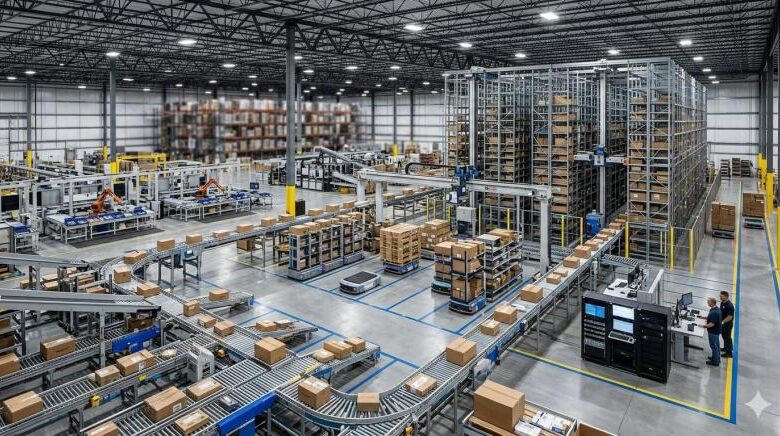
Manufacturing operations across the United States lose approximately $2.3 billion each year due to preventable storage and material handling errors. These losses stem from damaged inventory, workplace injuries, production delays, and regulatory penalties that accumulate across thousands of facilities nationwide. The impact extends beyond immediate financial costs to include disrupted production schedules, compromised product quality, and reduced operational reliability.
Storage and material handling systems form the backbone of manufacturing efficiency, yet many facilities operate with outdated practices that create systematic vulnerabilities. When storage configurations fail to match operational demands, or when material handling processes lack proper integration, the resulting inefficiencies compound throughout the entire production cycle. Understanding these common failure points helps manufacturing managers identify areas where operational improvements can deliver measurable returns on investment.
Inadequate Weight Distribution Planning
Weight distribution failures occur when storage systems exceed their design capacity or when loads concentrate in areas unable to handle the stress. Modern industrial storage material handling solutions require careful analysis of load patterns, floor capacity, and structural limitations before implementation. When facilities skip this planning phase, they create conditions for catastrophic failures that can shut down operations for weeks.
The most costly weight distribution mistakes happen gradually rather than suddenly. Overloaded storage areas develop stress fractures in flooring, cause equipment misalignment, and create safety hazards that force production slowdowns. These problems often remain undetected until a critical failure occurs, making prevention through proper planning essential for long-term operational stability.
Structural Assessment Oversights
Many facilities assume existing structures can accommodate increased storage loads without conducting engineering assessments. This assumption leads to foundation settling, beam deflection, and equipment instability that compromises both safety and productivity. Proper structural evaluation identifies load limits before problems develop, allowing managers to plan storage configurations that work within existing constraints or budget for necessary reinforcements.
Dynamic Load Considerations
Static weight calculations often overlook the dynamic forces created during material movement and equipment operation. Forklifts, conveyor systems, and automated storage equipment generate vibrations and impact loads that exceed static weight ratings. Facilities that account for these dynamic forces during planning avoid premature equipment failure and maintain consistent operational performance over time.
Poor Inventory Flow Design
Inventory flow problems create bottlenecks that slow production and increase handling costs throughout manufacturing operations. Effective flow design ensures materials move efficiently from receiving through production to shipping without unnecessary handling steps or storage delays. When flow patterns conflict with facility layouts or equipment capabilities, operations suffer from reduced throughput and increased labor costs.
The complexity of modern manufacturing demands that inventory flow systems integrate seamlessly with production schedules, quality control processes, and shipping requirements. Facilities with poor flow design often compensate through overtime labor, expedited shipping, or emergency inventory purchases that dramatically increase operating costs while reducing overall reliability.
First-In-First-Out Implementation Failures
Manufacturing operations that handle perishable materials, time-sensitive components, or products with shelf life requirements must maintain strict first-in-first-out inventory rotation. Storage systems that make older inventory inaccessible or difficult to retrieve create waste through expired materials and quality degradation. Proper FIFO implementation requires storage configurations that provide easy access to older inventory while maintaining efficient space utilization.
Cross-Contamination Prevention
Industries with strict contamination controls, including food processing, pharmaceuticals, and electronics manufacturing, require storage systems that prevent cross-contamination between different materials or production runs. Poor flow design can create situations where incompatible materials share handling equipment or storage areas, leading to product recalls, regulatory violations, and costly cleanup procedures.
Insufficient Safety Protocol Integration
Safety protocol failures in storage and material handling operations account for thousands of workplace injuries annually, with each incident averaging $40,000 in direct costs plus additional expenses for investigation, remediation, and lost productivity. Beyond human impact, safety failures trigger regulatory scrutiny that can result in operational shutdowns, fines, and mandatory equipment modifications.
Effective safety integration requires that storage systems include built-in protections rather than relying solely on worker training and procedural compliance. Physical barriers, automated safety systems, and fail-safe equipment designs provide multiple layers of protection that continue functioning even when human error occurs or procedural shortcuts develop over time.
Fall Protection System Gaps
Storage operations involving elevated platforms, mezzanines, or multi-level systems require comprehensive fall protection that integrates with daily work activities. Many facilities install basic guardrails or safety equipment but fail to consider how workers actually perform their tasks, creating gaps in protection during routine operations. Effective fall protection systems accommodate normal work patterns while maintaining consistent safety coverage.
Equipment Lockout Procedures
Material handling equipment poses serious injury risks when proper lockout and tagout procedures are not consistently followed. Storage systems that make LOTO procedures difficult or time-consuming often see workers taking shortcuts that compromise safety. Well-designed systems include easily accessible lockout points and clear procedural guides that workers can follow efficiently without compromising production schedules.
Technology Integration Misalignment
Technology integration failures occur when storage and material handling systems cannot communicate effectively with existing manufacturing software, inventory management systems, or automated equipment. These compatibility problems create data gaps that reduce visibility into inventory levels, material locations, and operational performance metrics that managers need for effective decision-making.
Modern manufacturing relies heavily on real-time data to optimize production schedules, maintain inventory accuracy, and respond quickly to changing customer demands. When storage systems operate in isolation from these information networks, facilities lose the agility and responsiveness that competitive manufacturing requires. According to the U.S. Census Bureau, manufacturers with integrated technology systems show significantly higher productivity metrics compared to those with disconnected operations.
Data Collection Standardization Issues
Different storage and handling systems often collect data in incompatible formats that prevent effective analysis and reporting across the facility. This fragmentation makes it difficult to identify operational trends, optimize workflows, or measure improvement initiatives accurately. Standardized data collection ensures that information from various systems can combine to provide comprehensive operational insights.
Automation Scalability Limitations
Many facilities implement automated storage and handling solutions without considering future expansion needs or changing operational requirements. Systems that cannot adapt to increased volume, new product types, or modified processes become operational constraints that limit business growth. Scalable automation platforms maintain their value as operations evolve and expand over time.
Maintenance Schedule Inadequacies
Maintenance schedule failures lead to unexpected equipment breakdowns that disrupt production schedules and create emergency repair costs significantly higher than planned maintenance expenses. Storage and material handling equipment operates continuously under demanding conditions that cause predictable wear patterns, making preventive maintenance essential for reliable operations.
Deferred maintenance creates cascading problems throughout storage operations as equipment performance degrades gradually before failing completely. Reduced throughput, increased energy consumption, and quality control problems often develop weeks before final equipment failure, giving facilities opportunities to address issues through scheduled maintenance rather than emergency repairs.
Component Lifecycle Tracking
Complex storage systems include numerous components with different replacement schedules and failure patterns that require individual tracking and maintenance planning. Facilities that use generalized maintenance schedules often miss critical component replacements that lead to system-wide failures. Detailed component tracking allows maintenance teams to replace parts before they reach failure points, maintaining consistent system performance.
Performance Monitoring Integration
Modern equipment includes sensors and monitoring systems that provide early warning of developing problems, but many facilities fail to integrate this information into their maintenance planning processes. Performance monitoring data can identify trends that indicate impending failures, allowing maintenance teams to schedule repairs during planned downtime rather than responding to emergency breakdowns.
Space Utilization Optimization Failures
Space utilization problems waste valuable facility capacity while increasing operational costs through inefficient material movement and extended handling times. Manufacturing facilities face constant pressure to maximize productivity within existing space constraints, making efficient storage design critical for maintaining competitive operations.
Poor space utilization often results from storage systems designed for past operational requirements that no longer match current production needs. As product mixes change, volume requirements shift, or manufacturing processes evolve, storage configurations may become obsolete, creating inefficiencies that compound over time.
Vertical Space Underutilization
Many facilities focus on floor space optimization while underutilizing available vertical capacity that could significantly increase storage density without facility expansion. Vertical storage solutions require careful planning to ensure safe access and efficient material handling, but properly implemented systems can double or triple storage capacity within existing buildings.
Seasonal Demand Accommodation
Manufacturing operations with seasonal demand patterns require storage systems flexible enough to handle peak inventory levels without wasting space during low-demand periods. Fixed storage configurations often force facilities to lease temporary space or limit production capacity during peak seasons, increasing costs and reducing operational flexibility.
Regulatory Compliance Oversights
Regulatory compliance failures in storage and material handling operations result in fines, operational restrictions, and mandatory corrective actions that can cost facilities hundreds of thousands of dollars while disrupting normal operations. Manufacturing facilities must comply with numerous federal, state, and local regulations covering safety, environmental protection, and industry-specific requirements.
Compliance requirements evolve continuously as regulations change and enforcement priorities shift, making ongoing compliance monitoring essential for avoiding costly violations. Facilities that treat compliance as a one-time implementation rather than an ongoing operational requirement often discover violations during routine inspections that require expensive corrective actions.
Environmental Regulation Adherence
Storage operations involving hazardous materials, chemicals, or regulated substances must comply with environmental regulations that govern containment, handling procedures, and emergency response planning. Violations can result in significant fines and cleanup costs that far exceed the expense of proper compliance systems. Environmental compliance also protects facilities from liability associated with contamination incidents or worker exposure claims.
Documentation and Record-Keeping Requirements
Regulatory agencies require detailed documentation of safety procedures, training records, maintenance activities, and incident reports that demonstrate ongoing compliance with applicable regulations. Facilities with inadequate record-keeping systems often face additional penalties during inspections and may struggle to defend against liability claims. Systematic documentation processes ensure that required records are maintained consistently and remain accessible for regulatory review.
Conclusion
The $2.3 billion annual cost of industrial storage mistakes represents a significant opportunity for US manufacturers to improve operational efficiency and profitability through better planning and implementation practices. These seven common failure areas demonstrate how storage and material handling problems cascade throughout manufacturing operations, creating costs that extend far beyond immediate equipment or inventory losses.
Addressing these systematic issues requires comprehensive evaluation of existing operations combined with strategic planning for future operational requirements. Facilities that invest in proper storage system design, maintenance planning, and compliance management consistently achieve better operational performance while avoiding the costly disruptions that plague operations with preventable storage and handling problems. The key lies in recognizing that storage and material handling systems are critical infrastructure investments that require the same careful planning and ongoing attention as primary production equipment.